Dark colours use less energy on the screen than light colours. The theme colour does not affect the colours of videos or other media content. Keeping dark mode enabled helps save energy and may also be more comfortable on the eyes.

Display website images in lighter versions. Smaller image files make the website lighter to load.

Turn off animations and motion effects on the website. This gives you a simpler and calmer browsing experience.

Webinar Provides Answers: How does the battery regulation change the obligations of manufacturers and importers?
Webinar Provides Answers: How does the battery regulation change the obligations of manufacturers and importers?

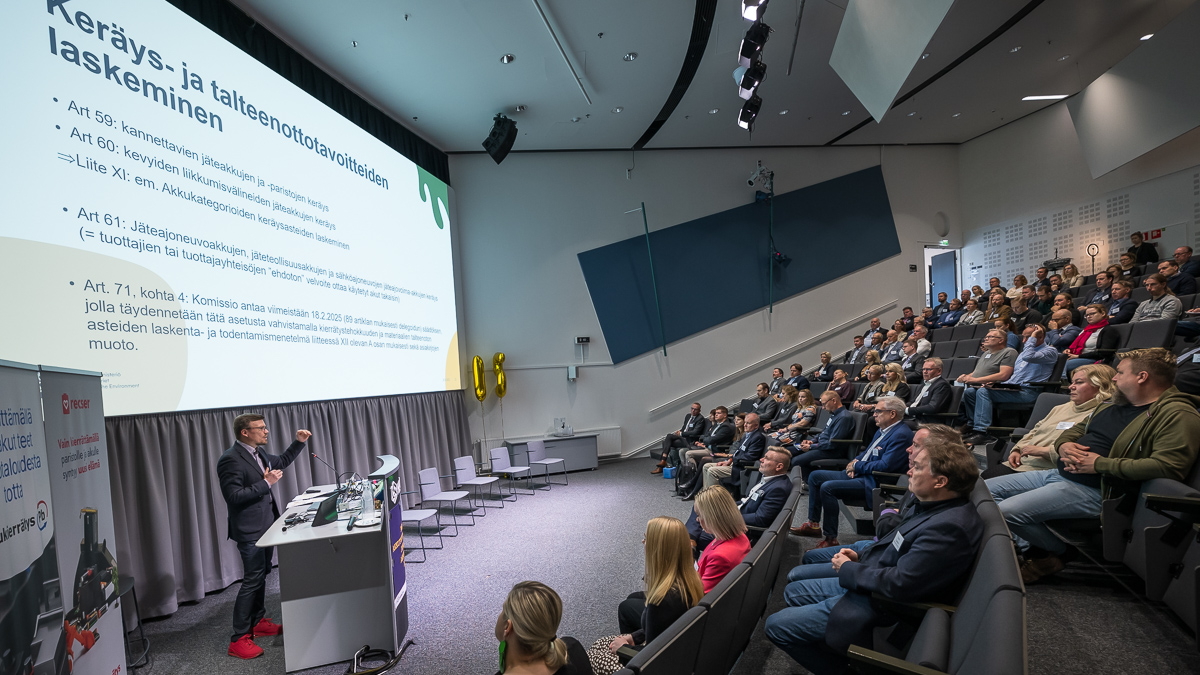
The focus of the second battery producer organisations’ battery regulation webinar was obligations imposed on battery manufacturers and importers by the new EU battery regulation.

The EU’s battery regulation is part of a new type of EU regulation that covers the product’s entire life cycle from raw materials to recycling the product. The regulation strengthens the functioning of the EU’s internal market, promotes the circular economy and reduces the environmental and social impacts of batteries.

The theme of the second battery regulation webinar held by Akkukierrätys and Recser Oy on 21 May 2024 was chapters 4–8 of the regulation, which focus on the obligations of battery manufacturers and importers. With these webinars, we battery producer organisations want to provide our members with support in fulfilling the obligations.

The webinar was attended by 260 participants, of which nearly half were importers of either portable batteries or electrical and electronic equipment.

What does due diligence mean?

One of the obligations of the battery regulation is related to due diligence. Economic operators must fulfil the due diligence obligations and implement the related policies by August 2025.

The aim of due diligence is, first and foremost, to prevent the occurrence of adverse effects on people, the environment and society. Companies must ensure that human rights and the environment are upheld and valued at every part of the production chain. The obligation also applies to subcontractors and subsidiaries.

The principle of due diligence was further explained in the webinar by Senior Specialist Johanna Routio from the Ministry of the Environment. She reminded the participants that companies cannot yet be provided with a comprehensive list of the actions required to implement due diligence policies. The Commission is currently preparing due diligence guidelines that are due to be published in February 2025. In addition, the Commission has the power to adopt delegated acts.

“It requires a lot of effort from companies to have all the required documents and operating methods ready by August 2025. After this, the implementation of policies is an on-going process,” said Routio.

Battery conformity

With the battery regulation, batteries must meet stricter requirements than before in order to be released to the EU market. The aim is to ensure people’s safety, health and property and to protect the environment.

“According to the battery regulation, the manufacturer is responsible for the battery’s conformity,” said Senior Specialist Kati Suomalainen from the Ministry of the Environment in the webinar.

The new requirements are related to the sustainability, safety, labelling and information requirements for batteries.

For example, manufacturers must ensure and demonstrate with tests that their batteries meet the requirements of the battery regulation. If a product is in conformity with the requirements, a declaration of conformity will be drawn up and a CE marking will be affixed to it. The product must have clear, understandable and readable instructions and safety information.

“The declaration of conformity must be updated as the new requirements of the battery regulation enter into force,” said Suomalainen.

Find out whether your company is a manufacturer or an importer

Finnish Safety and Chemicals Agency’s Senior Adviser Tiia Salamäki emphasised in the webinar the obligation of all battery manufacturers and importers to ensure that only products that comply with the battery regulation will be available in the market in the future.

However, the obligations are different for manufacturers and importers, and it is important to determine the role of each company.

Although the roles are generally clear, importers might have to fulfil the obligations of manufacturers if they release batteries labelled with their own trade name to the market. Operators who prepare products for re-use, for example, are also considered manufacturers.

Salamäki answered the participants’ questions in the webinar. She explained, for example, that the product labels required by the battery regulation can be affixed to the product packaging if they are too large for small-sized products. Which labels need to be primarily affixed to the product is still unclear.

Producer responsibility is also facing changes as a result of the battery regulation

Importers, manufacturers, remote sellers and distributors are responsible for the recycling and waste management of batteries. This is called producer responsibility and it ensures that recycling is free of charge to the end user.

The Centre for Economic Development, Transport and the Environment of Pirkanmaa is the supervisory authority for producer responsibility in Finland. Senior Inspector Jaana Mäenpää explained in the webinar how the battery regulation is changing the producer responsibility requirements.

The battery regulation affects the producer responsibility for batteries in many ways. Companies are not allowed to release products to the market in an EU country if the producer responsibility obligations are not fulfilled in the country in question. The obligation also applies to remote sellers, who are now required to appoint an authorised representative for producer responsibility separately for each country.

The classification of batteries is also changing as a result of the battery regulation, as the batteries of electric means of transport and traction batteries of electric cars are separated into distinct categories. Different battery categories are subject to different obligations and targets, which should be studied carefully.

The battery regulation also sets stricter collection, recycling efficiency and material recovery targets.

The regulation encourages producer organisations to improve the efficiency of their operations. Joining a producer organisation is the easiest way to fulfil the producer responsibility obligations also when the new battery regulation enters into force.

The webinar series continues in the autumn—share your ideas with us

We will arrange at least two battery regulation webinars in the autumn. The dates and topics will be announced at a later date.

If you want to suggest your ideas for the topics, please contact us by email: info(a)akkukierratyspb.fi tai info(a)recser.fi.

See the Ministry of the Environment’s, Tukes‘ and The Centres for Economic Development, Transport and the Environment (ELY Centres) presentations (in Finnish):

Johanna Routio (YM): EU:n akkuasetus ja asianmukainen huolellisuus (pdf)
Kati Suomalainen (YM): Akkujen ja paristojen vaatimustenmukaisuus (pdf)
Tiia Salamäki (Tukes): Valmistajien ja maahantuojien velvollisuuksia (pdf)
Jaana Mäenpää (Pirkanmaan ELY-keskus): Paristojen ja akkujen tuottajavastuu (pdf)

See the questions and answers presented in the webinar.

Read our previous articles:

#BatteryRegulation: The webinar gave additional information about the requirements of the Battery Regulation (paristokierratys.fi)

#BatteryRegulation: The updated guide regarding battery passports has been released – Paristokierrätys (paristokierratys.fi)

#BatteryRegulation: The application of the EU Battery Regulation begins on 18 February 2024 – preparations in Finland (paristokierratys.fi)

Battery seminar: The Finnish battery value chain needs courage and investments – Akkukierrätys Pb Oy (akkukierratyspb.fi)

Battery seminar: Producers trust the new battery regulation – “A good thing in the long run, even though the workload increases now.” (paristokierratys.fi)

Battery seminar: the obligations of the EU’s new Battery Regulation will be further clarified in the coming years – Akkukierrätys Pb Oy (akkukierratyspb.fi)

The parliament adopted the new Battery Regulation on 14 June 2023 – what next? – Akkukierrätys Pb Oy (akkukierratyspb.fi)

#BatteryRegulation: The content of the upcoming Batteries Regulation has been published—specifications regarding producer responsibility incoming – Paristokierrätys (paristokierratys.fi)

#BatteryRegulation: The EU aims to tighten the collection rate of batteries and make the calculation methods more realistic – Paristokierrätys (paristokierratys.fi)

#BatteryRegulation: There is demand for recycling the rare metals used in lithium-ion batteries, but some batteries lack recycling solutions—what will happen to the increasingly demanding recycling targets of the EU? – Paristokierrätys (paristokierratys.fi)

The Batteries Regulation of the EU emphasises producer responsibility (akkukierratyspb.fi)

This article is a part of the joint communications of the battery producer organisations Recser Oy and Akkukierrätys Pb Oy concerning the EU Batteries Regulation. You can also subscribe to our newsletter to receive the latest news on the subject.

Legal amendments brought together producers of large industrial batteries: “In the morning, I didn’t yet realise we needed to establish a new producer organisation”

Legal amendments brought together producers of large industrial batteries: “In the morning, I didn’t yet realise we needed to establish a new producer organisation”

Producers of large industrial batteries came together for a joint seminar at the beginning of April. The topic of the seminar was the EU’s new Battery Regulation and the responsibilities it imposes on producers. In the future, producers of industrial batteries must assume shared and comprehensive responsibility for the collection and recycling of decommissioned batteries. The seminar’s follow-up discussions involved taking the first steps towards establishing a producer organisation.

“The new more stringent producer responsibility requirements mean changes for all producers and producer responsibility systems. The producers of large industrial batteries that do not yet have a collective producer responsibility system are facing the most substantial change. These producers will be required to cooperate in the same way as the producers in current producer organisations,” said Chair of Recser’s Board of Directors Seppo Tokola at the start of the event, shedding light on the reasons for organising it.

The seminar organised by Recser Oy was held on 9 April 2024 at Technopolis in the Ruoholahti district of Helsinki. It brought together a total of 36 participants from various organisations.

Before noon, the programme included a presentation on the legislative changes and current producer organisations. The afternoon discussion event involved considering the practical measures required to make the collective responsibility a reality and deciding on the first joint steps that the producers need to take to further the matter.

Producer of industrial batteries, you cannot handle your new responsibilities alone!

There are currently four producer responsibility organisations in Finland, which maintain the statutory collection systems for portable batteries, lead-acid batteries, industrial batteries lighter than 25 kg, vehicle batteries and EV traction batteries. A producer that joins a producer organisation outsources the collective producer responsibility obligations to the organisation.

There is plenty of cooperation between the producer organisations, but each have their own delineated responsibilities.

With the exception of lead-based batteries, the systems managed by the organisations exclude all large industrial batteries weighing more than 25 kg, such as battery energy storage systems and traction batteries other than those used for road transport. There is currently no existing organised collection system that would enable the producers to observe the new legal obligations.

“Us producers are facing shared challenges: we need to organise nationwide collection and accept all batteries in our categories. This also entails informing the customer base and organising recycling one way or another… Will we perhaps need a separate industrial facility for dismantling and batteries or modules, or how should we organise the operations? This issue is now specifically a problem shared by producers instead of Recser or the authorities for example,” emphasised Anders Blomqvist, managing Director of Celltech Oy.

The requirement on the transparency of the chain shifts the corporate responsibility to all operators: “Pioneers benefit in this context”

The EU’s Battery Regulation introduces a great deal of new requirements for producers of industrial batteries.

“In the big picture, the change may also open up business opportunities. Pioneers benefit in this context,” said Liisa-Marie Stenbäck, managing director of Recser Oy.

Producer responsibility is part of the transition to the circular economy and corporate responsibility. When a company is able to communicate about responsibility in the right way, this generates business value. Companies should explore the financial opportunities of corporate responsibility and the business models that align with the circular economy simultaneously with planning the measures required by the stricter legislation.

In his talk, Juha Kenraali, managing director of Suomen Autokierrätys Oy, highlighted that the general responsibility reporting requirements concerning large companies are about to be tightened.

“In any case, ESG (corporate responsibility) issues will flood in to affect all operators through many different channels. At first, the reporting will only apply to large operators, but they must keep the entire subcontracting chain transparent, which means that the smaller operators will receive the requirements from the larger ones,” Kenraali said.

The international speaker of the seminar was Secretary General Eric Ruyters of the European association of national collection schemes for batteries EUCOBAT. He emphasised the significance of understanding the new repurposing approach and the operating model.

“It is important to realise how the market dynamics will change as the reuse of waste batteries increases,” Ruyters said.

There are also challenges ahead, because the market has demand for some battery materials but not for others. Senior Inspector Jaana Mäenpää, who is responsible for producer responsibility control at the ELY Centre for Pirkanmaa reminded attendees that the EU’s Battery Regulation also includes the ‘blending obligation.’

“This obligation means that minimum amounts have been determined for the use of recycled materials in new batteries. This will most likely shape the raw material markets,” Mäenpää said in summary.

The new producer organisation is needed: “This communality feels good”

The discussion event held at the end of the seminar found the establishment of the new producer organisation a necessity. The current organisations – Recser Oy, ERP Finland ry, Akkukierrätys Pb Oy and Suomen Autokierrätys Oy – collaborate closely. The new producer organisation for large industrial batteries would be a natural part of this network.

Avant Power Oy’s Samuli Saarela says that he is pleased that the seminar helped to clear up some of the mystery around the waste management requirements of the new Battery Regulation.

“The conversations with authorities were valuable. We certainly have a great deal of new information to take home with us!” Saarela says, summarising the day with satisfaction.

Merus Power Oy’s Teemu Paakunainen also says that the seminar provided clarity.

“Upon arriving for the seminar in the morning, I didn’t yet realise we needed to establish a new producer organisation, but now it seems entirely clear. This communality feels good,” Paakkunainen says.

Recser’s Liisa-Marie Stenbäck, who was responsible for organising the event is also pleased with the yields of the seminar.

“Companies now widely understand and accept their environmental responsibility in terms of the direct effects of their own operations, but not everyone knows that the responsibility extends to the end of the life cycle of all launched products. What is entirely new is that the responsibility at the end of the life cycle will now become collective for industrial batteries, meaning that, in the future, companies with producer responsibility must work together to handle the collection and recycling of decommissioned batteries.”

“This is why it was great that we got a variety of companies at todays’ event to hear and talk about the topic and, most importantly, to take steps to build a producer responsibility system of the future, Stenbäck says.

Recser Oy has promised to support the start-up phase of the producer organisation for industrial batteries by conducting a preliminary analysis of the volumes and producers of large industrial batteries. A small group consisting of producers who participated in the afternoon talks has decided to organise a follow-up discussion event on the topic before the summer holiday season of 2024. An invitation to the follow-up discussions will be sent to all seminar participants and producers of large industrial batteries that report to Recser.

If you do not receive an invitation and would like to participate in the follow-up discussions, please contact: Anders Blomqvist, anders.blomqvist(a)celltech.fi

Definitions changed: Is your company now a producer or industrial batteries?

The new legislation defines industrial batteries more specifically than before. They are in particular batteries that have been designed for industrial purposes and batteries that will enter industrial use after their application is changed.

Examples of industrial batteries are traction batteries used in railway, water and aerial vehicles. Industrial batteries also include the traction batteries of mobile work machines as well as batteries used in communications networks, agricultural operations or the production and distribution of electricity.

Moreover, all batteries weighing more than 5 kg are defined as industrial batteries if they are not traction, starting, lighting or ignition batteries (i.e. SLIs) of electric vehicles or LMTs. Therefore, industrial batteries also include consumer products, such as batteries used for storing electricity in households.

The new regulation expands the definition of producers. In addition to importers, manufacturers and distance sellers, the producer responsibility may also apply to distributors. Producers of industrial batteries are regarded to be those who “make the batteries in question available on the Finnish market for the first time.” In the future, remote sellers must appoint an authorised representative to handle producer responsibility in the EU countries where they make batteries available on the market by selling them directly to end users.

Responsibilities have changed: Producers, you will now need to handle all of this

The collection and recycling of decommissioned batteries must be handled by their producers. The EU’s Battery Regulation makes the extended producer responsibility more of a shared effort as regards industrial batteries, and batteries may not be made available on the markets without taking care of the responsibility. In Finland, this means joining a producer organisation established by producers.

The producer organisation ensures, on behalf of the producers, that end users can return any waste batteries that are regarded as industrial batteries easily and without any additional charges or the obligation to purchase a new product. In simple terms, this means that industrial batteries must be accepted regardless of their origin, brand, condition, nature or chemical composition. The challenge is increased by the fact that industrial batteries launched before the legislative change may also be returned to the collection points.

As such, the receipt must be handled be means a nationwide collection network, collection infrastructure that meets the safety requirements and transport to authorised processing plants. In addition to responding to the tighter recycling efficiency requirements, the recycling processes must be able to recover increasing quantities of the most important raw materials from batteries, such as cobalt, lithium, copper and nickel. After the transition periods, new batteries must use at least the minimum required amounts of recycled raw materials.

See the Ministry of the Environment’s and ELY Centre for Pirkanmaa’s presentations (in Finnish). See the pre-seminar questions and answers.

The EU’s Battery Regulation: Regulation – 2023/1542 – EN – EUR-Lex (europa.eu)

Read more about the EU’s Battery Regulation, pertinent articles from Recser and Akkukierrätys Pb, and summaries of prior events:

#BatteryRegulation: The application of the EU Battery Regulation begins on 18 February 2024 – preparations in Finland (paristokierratys.fi)

#BatteryRegulation: The webinar gave additional information about the requirements of the battery regulation (paristokierratys.fi)

The webinar gave additional information about the requirements of the Battery Regulation

The webinar gave additional information about the requirements of the Battery Regulation

The webinar by Akkukierrätys and Recser Oy introduced the new durability, safety, labelling and information requirements of the EU Batteries Regulation.

The EU Batteries Regulation entered into force in August 2023, and it began to be applied in February of the current year. The regulation strengthens the functioning of the EU’s internal market, promotes the circular economy and reduces the environmental and social impacts of the battery industry.

The battery regulation has brought new requirements for the entire life cycle of batteries. The first part of the webinar series by Akkukierrätys Pb and Recser Oy delved into the first chapters of the regulation. What kind of new durability, safety, labelling and information requirements does the regulation bring to batteries?

During the transition period, there will be regulatory overlap

The battery regulation requires actions from manufacturers, importers and distributors of batteries. In the future, batteries may only be placed on the market or put into use if they meet the requirements of the battery regulation.

Senior Specialist of the Ministry of the Environment Johanna Routio reminded, however, that the implementation of the battery regulation involves many transition periods.

“Legally, we are in a challenging transition phase. In the transition phase, both the battery regulation, national legislation and the old battery directive will be applied partly at the same time,” Routio stated.

After the transition periods, the battery directive is repealed and only the new battery regulation will remain in effect. There will be supplementary regulation in the national legislation, but all legislation that conflicts with the battery regulation will be repealed.

Tukes supervises, but also supports the implementation of the battery regulation

Since the battery regulation has only started to be applied in February, answers to many practical questions are still being sought. More guidance on the details of the application of the regulation is forthcoming from the Commission.

Tukes’ leading expert in chemical products Tiia Salamäki and a leading specialist in electrical products, Seppo Niemi, brought the authorities’ perspective to the webinar.

In their speech, they emphasised, among other things, that an important part of Tukes’ marketing supervision is advice. The role of counselling is especially emphasised now that the battery regulation is new.

Regarding the tightening labelling requirements, Salamäki and Niemi highlighted the CE marking of batteries, which will come into effect in August of this year. With the CE marking, the manufacturer assures that the product meets the requirements of the relevant EU directives and regulations. Other future labelling requirements include e.g. a QR code and a “non-rechargeable” text for batteries.

However, Seppo Niemi reminded participants that the battery regulation is not retroactive legislation. Products already on sale do not need to be removed from stock, even if they do not meet the labelling requirements of the new regulation.

Kesko plays many roles in the battery value chain

Kesko has been preparing for the entry into force of the battery regulation for a long time. Cooperation has been done with e.g. producer associations and manufacturers. As a battery operator, Kesko acts in different roles as an importer and distributor, and through its own brands as a manufacturer.

Sustainability Manager for Kesko’s Building and technical trade Tiina Kotipelto is satisfied that the battery regulation promotes the longevity, adaptability and recyclability of products at the EU level.

In the implementation of the battery regulation, Kotipelto emphasises the importance of high-quality data and data management, so that the product information meets the requirements of the regulation.

She pointed out that high-quality data requires accuracy in all stages of the battery value chain.

“Even the data that ends up in producer organisations is only as good as what is produced by the weakest link in the value chain,” Kotipelto said.

The webinar series continues in May

Our next webinar on battery regulation will be held on 21 May. At that time, our topic is the obligations of importers.

In the webinar, EU compliance, CE markings, the obligations of battery manufacturers and importers, and extended producer responsibility obligations for companies will be examined, among other things. You are welcome to join us! The presentations of the seminar and a link to the recording will be distributed to all who participated in the seminar.

Read more and sign up!

See the Ministry of the Environment’s and Tukes‘ presentations (in Finnish):
Johanna Routio (YM): EU:n akkuasetus ja eri toimijoiden roolit merkintä- ja tietovaatimuksissa (pdf)
Seppo Niemi ja Tiia Salamäki (Tukes): EU:n akkuasetus: Uudet kestävyys-, turvallisuus-, merkintä- ja tietovaatimukset (pdf)

See the questions and answers presented in the webinar.

Read our previous articles:

#BatteryRegulation: The updated guide regarding battery passports has been released – Paristokierrätys (paristokierratys.fi)

#BatteryRegulation: The application of the EU Battery Regulation begins on 18 February 2024 – preparations in Finland (paristokierratys.fi)

Battery seminar: The Finnish battery value chain needs courage and investments – Akkukierrätys Pb Oy (akkukierratyspb.fi)

Battery seminar: Producers trust the new battery regulation – “A good thing in the long run, even though the workload increases now.” (paristokierratys.fi)

Battery seminar: the obligations of the EU’s new Battery Regulation will be further clarified in the coming years – Akkukierrätys Pb Oy (akkukierratyspb.fi)

The parliament adopted the new Battery Regulation on 14 June 2023 – what next? – Akkukierrätys Pb Oy (akkukierratyspb.fi)

#BatteryRegulation: The content of the upcoming Batteries Regulation has been published—specifications regarding producer responsibility incoming – Paristokierrätys (paristokierratys.fi)

#BatteryRegulation: The EU aims to tighten the collection rate of batteries and make the calculation methods more realistic – Paristokierrätys (paristokierratys.fi)

#BatteryRegulation: There is demand for recycling the rare metals used in lithium-ion batteries, but some batteries lack recycling solutions—what will happen to the increasingly demanding recycling targets of the EU? – Paristokierrätys (paristokierratys.fi)

The Batteries Regulation of the EU emphasises producer responsibility (akkukierratyspb.fi)

This article is a part of the joint communications of the battery producer organisations Recser Oy and Akkukierrätys Pb Oy concerning the EU Batteries Regulation. You can also subscribe to our newsletter to receive the latest news on the subject.
Report: Safe collection of portable consumer lithium-ion batteries

Report: Safe collection of portable consumer lithium-ion batteries

The changes necessitated by the EU’s new Battery Regulation and our increasingly battery-reliant society require producers to assess safety and vulnerabilities across the collection chain. Safety must be considered in the context of collection equipment but also in relation to transport and battery handling, even though there is currently knowledge of very few realised risks.

The Battery Regulation expands producer responsibility to cover collection and transport equipment for decommissioned batteries. In 2025, the responsibility for arranging and covering the costs of equipment will be transferred to the producers, i.e. the importers, distance sellers and Finnish manufacturers of batteries. In practice, the producer organisation will procure the collection and transport equipment and transfer the increased costs to the recycling fees of batteries, according to the causation principle. The producers and producer organisations in Finland and elsewhere in Europe will need to assess the current level of safety and consider how to develop it.

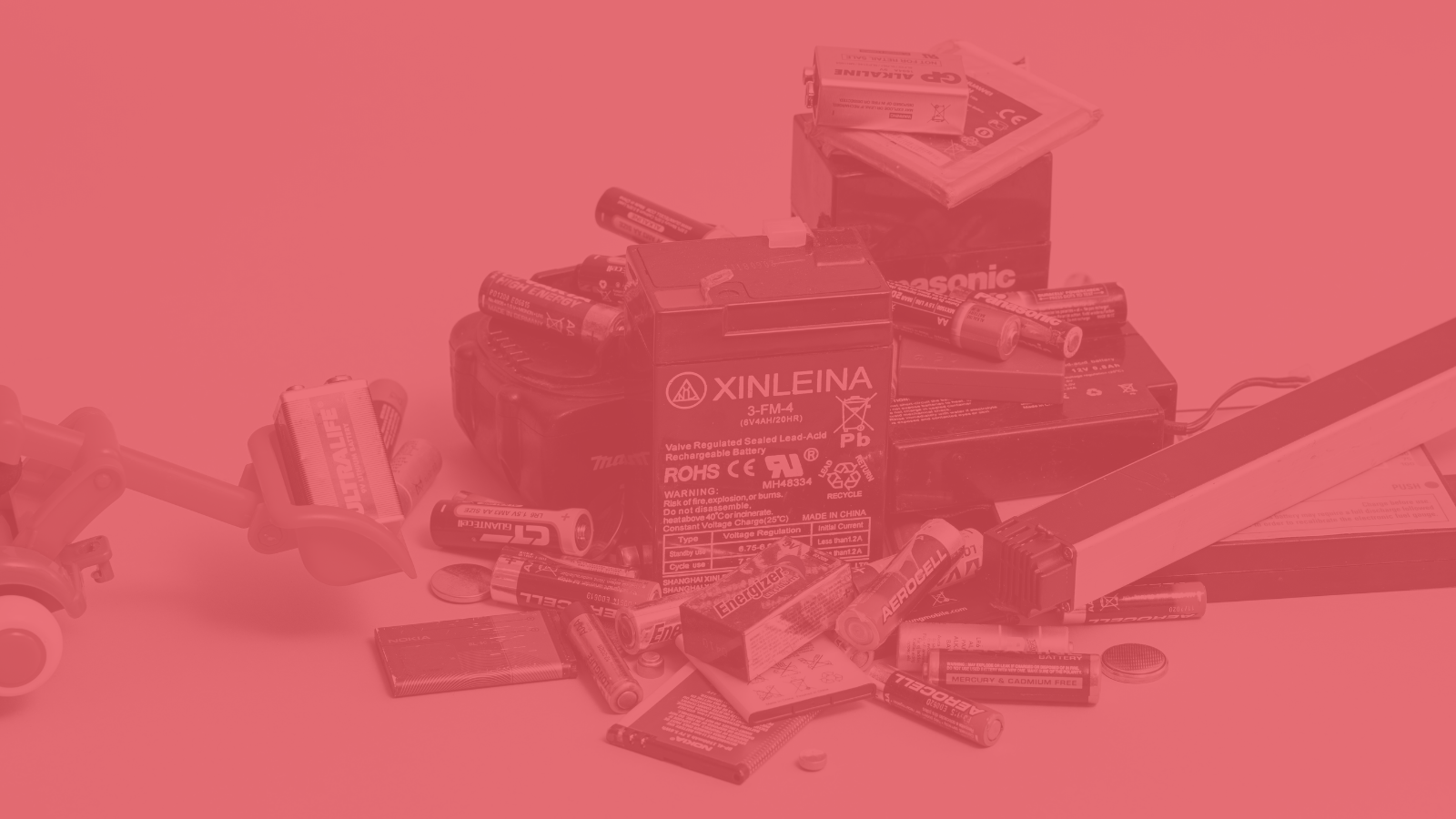
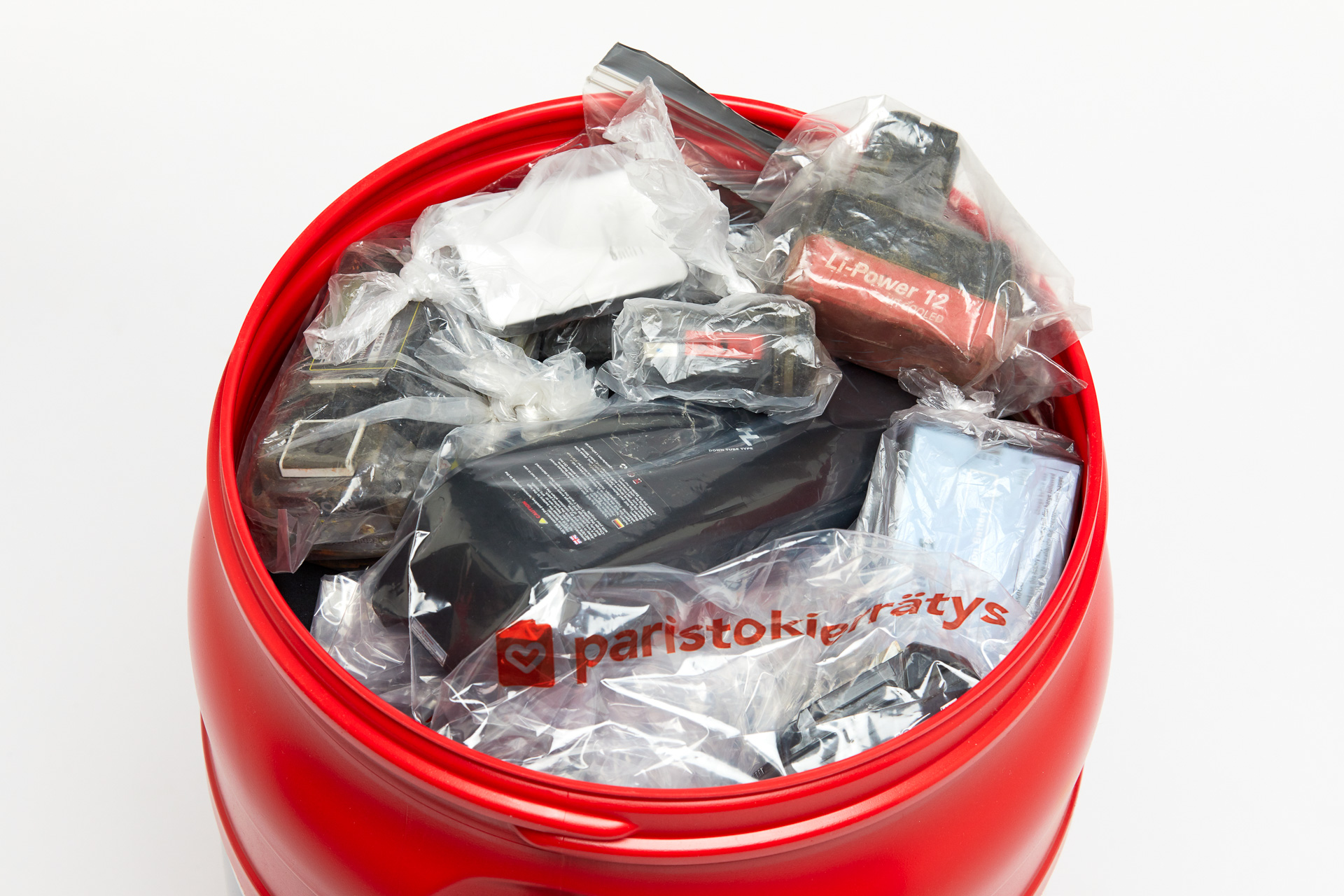
In the future, the recycling volumes of lithium-ion batteries are predicted to increase significantly, and the cardboard boxes currently in use are not suitable for transporting lithium-ion batteries that weigh more than 0.5 kg or are damaged. At the moment, only some shops have procured or are about to procure collection equipment or extra equipment to limit possible fires. Collection solutions cannot eliminate all risks, meaning that it is important for the parties maintaining collection points to account for toxic flue gases in their rescue plans, for example. Collection is usually the most vulnerable point of the recycling chain. Fires are most likely in the context of transport and final processing, but the vulnerability is lower and preparedness arrangement are better.

The analysis was produced for Recser by Gaia Consulting Oy. The report is part of the Battery Safety Guidelines project, which also produced a digital battery safety guide in 2023 for retailers and other operators handling or collecting batteries for recycling. The digital battery safety guide was developed in collaboration with the Finnish Commerce Federation and the Finnish Safety and Chemicals Agency (Tukes), and the entire project was funded by the Finnish Electrical Safety and Energy Efficiency Association (STEK).

The analysis includes an assessment of the current state of the collection of lithium-ion batteries, needs and views of stakeholders, and a summary of the collection and transport equipment of two reference countries, including cost comparisons.

The process yielded suggested measures to support Recser Oy, which organises the collection of portable batteries for producers in Finland, with the development of collection and transport equipment solutions. In addition to this, it provides an overview of appropriate collection equipment for all parties that collect decommissioned batteries.

Read the analysis here.

The updated guide regarding battery passports has been released

The updated guide regarding battery passports has been released

The updated guide takes into account the final content of the EU Battery Regulation that came into effect in August 2023, along with the requirements regarding battery passports. The guide assists in the implementation of battery passports.

In the EU’s new Battery Regulation, certain batteries are required to have a digital product passport containing detailed information about the battery manufacturer, raw materials, carbon footprint, as well as responsible procurement and recycled content.

The digital battery passport is described in Article 77 of the EU Battery Regulation. The battery passport will be mandatory for Light Means of Transport (LMT) batteries as well as industrial batteries with a capacity exceeding 2 kWh. Additionally, the battery passport must be attached to electric vehicle batteries placed on the market or put into use within the EU. The responsibility for the battery passport lies with the economic operators placing the batteries on the market.

Battery Passport is mandatory after 18 February 2027.

The guide supports the implementation of battery passports and provides tips for the circular economy

The digital product passport for batteries is a new requirement in the battery industry. To support the implementation of battery passports, a guide has been published, prepared by a wide range of battery experts. The guide was originally released in April 2023, and it has now been updated. The updated guide takes into account the final content of the EU Battery Regulation that came into effect in August 2023, along with the requirements regarding battery passports.

Guide for implementing battery passports. (Battery Pass, in English)

The guide provides comprehensive instructions on reporting requirements for responsible economic operators and other stakeholders in the battery value chain. In addition to the battery regulation, the guide also examines other key regulations in the battery industry, such as the Ecodesign Directive. Furthermore, the guide offers suggestions for practices that promote sustainability and the circular economy.

The guide consists of four separate documents: Main Content Guidance, Data Attribute Longlist, Carbon Footprint Rules, and End-of-Life Allocation Analysis.

The battery passport promotes responsible battery production and the green transition

Responsible battery production is a key factor in the sustainable implementation of the green transition The digital battery passport helps us to take a significant step closer to this goal.

Important information, such as the carbon footprint or details regarding the sourcing of raw materials, battery repairability, and recyclability, is stored in the battery passport This information is then accessible to various stakeholders throughout the lifecycle of the batteries, from raw material extraction to reuse and recycling.

With the implementation of the digital battery passport, the European Commission aims to support a sustainable and circular economy-oriented value chain for batteries.

Read our previous articles:

#BatteryRegulation: The application of the EU Battery Regulation begins on 18 February 2024 – preparations in Finland (paristokierratys.fi)

Battery seminar: The Finnish battery value chain needs courage and investments – Akkukierrätys Pb Oy (akkukierratyspb.fi)

Battery seminar: Producers trust the new battery regulation – “A good thing in the long run, even though the workload increases now.” (paristokierratys.fi)

Battery seminar: the obligations of the EU’s new Battery Regulation will be further clarified in the coming years – Akkukierrätys Pb Oy (akkukierratyspb.fi)

The parliament adopted the new Battery Regulation on 14 June 2023 – what next? – Akkukierrätys Pb Oy (akkukierratyspb.fi)

#BatteryRegulation: The content of the upcoming Batteries Regulation has been published—specifications regarding producer responsibility incoming – Paristokierrätys (paristokierratys.fi)

#BatteryRegulation: The EU aims to tighten the collection rate of batteries and make the calculation methods more realistic – Paristokierrätys (paristokierratys.fi)

#BatteryRegulation: There is demand for recycling the rare metals used in lithium-ion batteries, but some batteries lack recycling solutions—what will happen to the increasingly demanding recycling targets of the EU? – Paristokierrätys (paristokierratys.fi)

The Batteries Regulation of the EU emphasises producer responsibility (akkukierratyspb.fi)

This article is a part of the joint communications of the battery producer organisations Recser Oy and Akkukierrätys Pb Oy concerning the EU Batteries Regulation. You can also subscribe to our newsletter to receive the latest news on the subject.
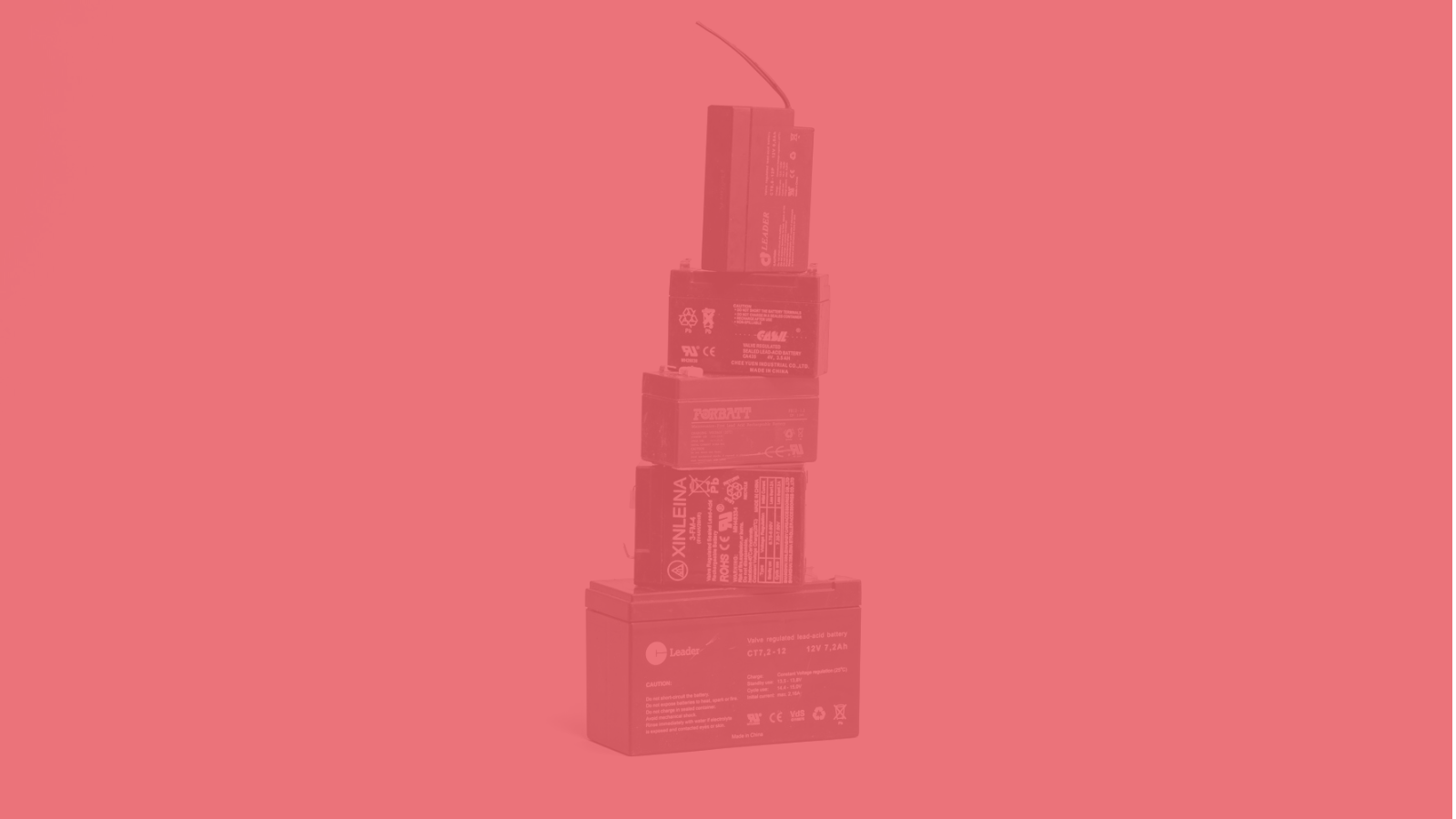
The application of the EU Battery Regulation begins on 18 February 2024 – preparations in Finland

The application of the EU Battery Regulation begins on 18 February 2024 – preparations in Finland

The application of the EU Battery Regulation, which came into effect on 17 August, will largely start after a six-month transition period in February of the next year. For requirements related to waste management and producer responsibility, there is a two-year transition period, meaning that producer responsibility systems must comply with the new requirements by August 2025. Although the regulation is applicable as it is in all member states, it also includes matters to be decided upon at the national level. The content of the Battery Regulation was discussed for the first time in Finland during our anniversary battery seminar held at the end of September, which brought together experts and producers in the field.

National implementation

In order to implement the Battery Regulation, a multidisciplinary government working group has been established in Finland, with Jouni Nissinen, a specialist from the Ministry of the Environment, serving as its chairperson. National legislation needs to be modified to align with the Battery Regulation, and any provisions in conflict with the Regulation must be repealed. Additionally, necessary regulations, such as those concerning competent authorities and sanctions, will be added to national legislation.

The working group coordinates the consultation of relevant stakeholders and provides updates on the progress of implementing the Battery Regulation. The first proposed amendment to the national waste act (in Finnish), addressing the requirements of the EU Battery Regulation regarding the approval and designation of conformity assessment bodies for batteries, is expected to be reviewed by the parliament in the near future. The progress of the implementation project can be followed on the project website (in Finnish): Akkuasetuksen toimeenpano (valtioneuvosto.fi).

Our anniversary battery seminar was a success!

In late September, we brought together battery industry experts for the first time to discuss the new requirements at our 15th-anniversary battery seminar. The seminar, held at Heureka, saw the participation of nearly 300 experts both in person and remotely. The seminar offered perspectives on the future of battery recycling from parties such as the Ministry of the Environment; the Pirkanmaa Centre for Economic Development, Transport and the Environment, which also acts as the supervisory authority of producer responsibility; the Ministry of Economic Affairs and Employment; Business Finland; battery and car importers; and reuse and recycling operators.

Johanna Alakerttula, Managing Director of Akkukierrätys Pb Oy, Juha Kenraali, Managing Director of Suomen Autokierrätys Oy, and Liisa-Marie Stenbäck, Managing Director of Recser Oy, are delighted with the success of the anniversary battery seminar. On the same day exactly 15 years ago, EU-regulated producer responsibility for batteries was implemented in Finland. At the time, Recser Oy was founded as the producer organisation of portable batteries and Akkukierrätys Pb Oy as the producer organisation of lead-based starter batteries and industrial batteries. Later on, Suomen Autokierrätys Oy joined in after being accepted as the producer organisation of traction batteries of electric vehicles in 2018.

We compiled the atmosphere and discussions from the seminar into our articles, which you can read through the links below. Be sure to check out the video interview (in Finnish) where speakers and participants share their thoughts on the new regulation. If you wish to receive the presentations from our battery seminar, please contact us at info(a)recser.fi.

The seminar received a lot of positive feedback from participants, and similar events or shorter informative sessions were requested for the future. We warmly thank all those who attended the seminar and, especially, the knowledgeable speakers for a successful day! We gathered questions from the attendees during and after the event related to the Battery Regulation to be sent to the Ministry of the Environment. Watch here what questions the battery regulation has raised elsewhere. We will provide answers in our upcoming newsletters.

Read our previous articles:

Battery seminar: The Finnish battery value chain needs courage and investments – Akkukierrätys Pb Oy (akkukierratyspb.fi)

Battery seminar: Producers trust the new battery regulation – “A good thing in the long run, even though the workload increases now.” (paristokierratys.fi)

Battery seminar: the obligations of the EU’s new Battery Regulation will be further clarified in the coming years – Akkukierrätys Pb Oy (akkukierratyspb.fi)

The parliament adopted the new Battery Regulation on 14 June 2023 – what next? – Akkukierrätys Pb Oy (akkukierratyspb.fi)

#BatteryRegulation: The content of the upcoming Batteries Regulation has been published—specifications regarding producer responsibility incoming – Paristokierrätys (paristokierratys.fi)

#BatteryRegulation: The EU aims to tighten the collection rate of batteries and make the calculation methods more realistic – Paristokierrätys (paristokierratys.fi)

#BatteryRegulation: There is demand for recycling the rare metals used in lithium-ion batteries, but some batteries lack recycling solutions—what will happen to the increasingly demanding recycling targets of the EU? – Paristokierrätys (paristokierratys.fi)

The Batteries Regulation of the EU emphasises producer responsibility (akkukierratyspb.fi)

Liisa-Marie Stenbäck is the Managing Director of the producer organisation Recser Oy, who coordinate the Paristokierrätys battery collection system.
Johanna Alakerttula is the Managing Director of Akkukierrätys Pb Oy, a producer organisation in charge producer responsibility related to lead-acid batteries.

This article is a part of the joint communications of the battery producer organisations Recser Oy and Akkukierrätys Pb Oy concerning the EU Batteries Regulation. You can also subscribe to our newsletter to receive the latest news on the subject.

Battery seminar: The Finnish battery value chain needs courage and investments

Battery seminar: The Finnish battery value chain needs courage and investments

The new battery regulation aims to increase European battery production and is said to create opportunities for the Finnish battery industry. But what do experts in the field think?

In a panel discussion at the battery seminar, various perspectives on the possibilities and challenges of the Finnish battery value chain were discussed. The participants in the discussion included Jarkko Vesa, Special Advisor at the Ministry of Economic Affairs and Employment, Mikko Joensuu, Chief Operating Officer at Tracegrow Oy, Sini Eskonniemi, Director of Innovation and Technology Development at Suomen Malmijalostus Oy, Tuomas Messo, Managing Director of CELLife Technologies Oy, and Janne Koivisto, Head of Public Affairs for Recycling and Waste at Fortum. The panel was moderated by Mari Haavisto from Sus+Com Agency.

The Finnish battery value chain has been developed purposefully in recent years, and Finnish operators were actively involved in the preparation of the new EU battery regulation.

The high requirements for batteries regarding sustainability and safety are in the best interests of the European industry, according to Jarkko Vesa.

“In a practical sense, it is concerning how the broad regulation will be implemented and monitored to ensure that recycling materials do not escape from Europe,” Vesa ponders.

Jarkko Vesa. Photo: Sus+Com Agency/Antti Partanen

Janne Koivisto agrees. Waste that holds a positive value also attracts operators who interpret the law more flexibly. This is an issue that requires regulatory oversight, he reflects.

For example, interpretations of the EU Waste Shipment Regulation must be made unambiguous to ensure that batteries and battery materials remain in the hands of responsible operators.

Sustainability and innovations

The need for battery raw materials continues to grow, but the virgin metals required for batteries are depleting. With new blending requirements for recycled raw materials, Finnish circular economy innovations can provide solutions to this, Mikko Joensuu reflects.

However, it is not good if we develop great processes in Finland, but the raw materials escape abroad.

The panellists note that strong expertise in raw materials, a willingness to innovate, and an entrepreneurial mindset are the superpowers of the Finnish battery value chain. Foreign investors can also trust the responsibility of Finnish operators: laws and environmental regulations are strictly followed, and working conditions are up to par.

More investments are needed

With the battery regulation, the carbon footprint and sustainability of batteries will play a more significant role. In this regard, Finnish production can take the lead, according to Sini Eskonniemi from Suomen Malmijalostus Oy.

“For the carbon footprint, it is crucial whether batteries are manufactured with clean energy or, for example, with coal power. It’s great that, in Finland, we can also produce raw materials through recycling,” Eskonniemi says.

Sini Eskonniemi. Photo: Sus+Com Agency/Antti Partanen

The European battery industry will require massive investments in the coming years. The estimated sums in the public domain are so substantial that it is challenging for Finland to respond to them with state aid alone. Therefore, the industry needs private funds and risk investments.

According to the panellists, Finland is an attractive investment destination because it has the potential to organise the entire battery value chain: the mining of minerals, development and design work, as well as circular economy services. Information about a Finnish cell factory is expected in the autumn of 2023.

The skills shortage that afflicts several industries is also a risk in the battery sector. The panellists call for an increase in education because there simply are not enough experts in battery technologies.

Areas for improvement exist

The battery regulation increases the significance of producer responsibility in the battery value chain. Mikko Joensuu and Tuomas Messo state that producer organisations have a crucial role in bringing together various operators.

The panellists note that the development of the battery industry should aim for the streamlining of regulatory processes. They agree that permits should not be granted too liberally, but the process itself should be more agile, as emphasised by Sini Eskonniemi and Janne Koivisto.

The battery regulation allows for better reuse and repair than before, but there is room for improvement in matching supply and demand. In Finland, a system for predicting the use of available resources could be developed, as proposed by Tuomas Messo at the battery seminar.

The battery industry may not become the next Nokia for Finland, but the embodiment of the true circular economy of batteries could indeed be. All of the components for the entire lifecycle of a battery are present in this room – could that be our next focus for development?

Here are links to our previous articles:

Battery seminar: Producers trust the new battery regulation – “A good thing in the long run, even though the workload increases now.” (paristokierratys.fi)

Battery seminar: the obligations of the EU’s new Battery Regulation will be further clarified in the coming years – Akkukierrätys Pb Oy (akkukierratyspb.fi)

#BatteryRegulation: The parliament adopted the new Battery Regulation on 14 June 2023—what next? (paristokierratys.fi)

#BatteryRegulation: The content of the upcoming Battery Regulation has been published—specifications regarding producer responsibility incoming – Paristokierrätys (paristokierratys.fi)

#BatteryRegulation: Tighter collection rates for batteries (akkukierratyspb.fi)

#BatteryRegulation: There is demand for recycling the rare metals used in lithium-ion batteries, but some batteries lack recycling solutions—what will happen to the increasingly demanding recycling targets of the EU? – Paristokierrätys (paristokierratys.fi)

The upcoming Battery Regulation of the EU emphasises producer responsibility and changes our way of using, manufacturing and recycling batteries – Akkukierrätys Pb Oy (akkukierratyspb.fi)

Photos: Sus+Com Agency / Antti Partanen.

This article is a part of the joint communications of the battery and accumulator producer organisations Recser Oy and Akkukierrätys Pb Oy concerning the EU Batteries Regulation. You can also subscribe to our newsletter to receive the latest news on the subject.

Battery seminar: Producers trust the new battery regulation – “A good thing in the long run, even though the workload increases now.”

Battery seminar: Producers trust the new battery regulation – “A good thing in the long run, even though the workload increases now.”

The EU’s new battery regulation provides battery producers with the opportunity to stand out from their competitors through sustainability. Funding for projects that support the regulation’s objectives is already available.

The battery regulation has significant impacts not only on batteries but also on their producers, including manufacturers and importers. Celltech’s Managing Director, Anders Blomqvist, Veho’s Training Manager, Antti Paasivirta, the Technical Trade Association’s Chief Expert, Juha Ala-Hiiro, and Business Finland’s Program Director, Ilkka Homanen, participated in the battery seminar’s discussion on the topic.

According to the participants in the discussion, the purpose of the battery regulation is a good one, even though it increases obligations and costs. For instance, the expansion of producer responsibility, the increase in labelling requirements, and the rise in recycling costs will affect battery producers in the near future.

Anders Blomqvist from Celltech, however, emphasises the importance of the regulation in streamlining the industry and enhancing battery safety.

“In the long run, this is a positive development, even though the workload increases now. By investing in due diligence requirements, one can gain a competitive advantage but it’s a substantial process,” Blomqvist reflects.

There will also be plenty of work in complying with the growing recycling and recovery obligations. For instance, a producer organisation would be required for large industrial lithium batteries, as Blomqvist points out.

Previously, the recycling of industrial batteries could be arranged on a case-by-case basis, but the regulation now obligates producers to maintain a collection system and include recycling costs in the battery’s price. This is a significant change across all of Europe.

Photo: Sus+Com Agency/Antti Partanen

The shortage of skills threatens several industries

Finland’s car pool is rapidly electrifying. Already, every third new passenger car is fully electric, which increases the demand for electric car mechanics. In the future, automotive repair shops will need to consider how electrical work is carried out and monitored, says Antti Paasivirta, Training Manager at Veho.

Meeting the requirements of the battery regulation may require significant investments from repair shops. On the other hand, the development of power sources is so rapid that we don’t even know what kind of expertise will be needed ten years from now.

The same skills shortage also threatens other industries. In addition to personal transportation, agricultural and industrial machinery are also electrifying and becoming more digital, which increases the need for batteries and battery experts.

The development of industrial machinery can be compared to heavy transportation: alongside full electric solutions, other power sources and multi-engine solutions are being explored, says Juha Ala-Hiiro.

In Finland, we already have a hydrogen forklift in use, and various battery-based solutions. For example, a backhoe loader can work for 2 hours on electricity, after which charge the batteries with an internal combustion engine in 40 minutes, and then continue working. This reduces carbon emissions by up to 90 percent.”

Juha Ala-Hiiro. Photo: Sus+Com Agency/Antti Partanen

Business Finland supports development work related to the battery regulation

A significant amount of development work has already been done to meet the requirements of the battery regulation, but this work must continue. Funding for innovation projects is available from Business Finland. Ilkka Homanen, Program Director for the Hydrogen and Battery Industry, acknowledges that meeting the requirements of the battery regulation involves a lot of initial work for producers, legislators, and financiers.

However, the effort is worthwhile. Homanen says that the regulation offers producers an excellent opportunity to incorporate Finnish circular economy thinking and innovations into the low-carbon transition, which is expected to bring significant growth and export opportunities for Finland.

Finland is a highly attractive investment destination. A small and innovative country with tight networks, excellent service orientation – we have a good foundation for building the battery value chain.

Overall, the investment amounts in the industry are substantial. Dozens of new cell factories will be established in Europe. Homanen suggests that there are many aspects in the battery regulation’s requirements where Finnish expertise could be utilised.

“Traceability in battery manufacturing and the digitalisation of battery passports are such challenges. There could be even more projects related to safety.”

Here are links to our previous articles:

Battery seminar: the obligations of the EU’s new Batteries Regulation will be further clarified in the coming years (paristokierratys.fi)

#BatteryRegulation: The parliament adopted the new Battery Regulation on 14 June 2023—what next? (paristokierratys.fi)

#BatteryRegulation: The content of the upcoming Battery Regulation has been published—specifications regarding producer responsibility incoming – Paristokierrätys (paristokierratys.fi)

#BatteryRegulation: Tighter collection rates for batteries (akkukierratyspb.fi)

#BatteryRegulation: There is demand for recycling the rare metals used in lithium-ion batteries, but some batteries lack recycling solutions—what will happen to the increasingly demanding recycling targets of the EU? – Paristokierrätys (paristokierratys.fi)

The upcoming Battery Regulation of the EU emphasises producer responsibility and changes our way of using, manufacturing and recycling batteries – Akkukierrätys Pb Oy (akkukierratyspb.fi)

Photos: Sus+Com Agency / Antti Partanen.

This article is a part of the joint communications of the battery and accumulator producer organisations Recser Oy and Akkukierrätys Pb Oy concerning the EU Batteries Regulation. You can also subscribe to our newsletter to receive the latest news on the subject.

Battery seminar: the obligations of the EU’s new Batteries Regulation will be further clarified in the coming years

Battery seminar: the obligations of the EU’s new Batteries Regulation will be further clarified in the coming years

The national implementation of the new Battery Regulation requires adjustments and changes, including revisions to waste legislation. The role of producer responsibility will be strengthened, but interpretations and guidelines from the Commission are still expected for several aspects of the regulation.

The EU’s new Battery Regulation takes into account the entire lifecycle of batteries and responsibility more comprehensively. The regulation aims to guide product development and manufacturing, as well as market entry, recycling, and waste management more extensively.

The Battery Regulation replaces the Battery Directive issued in 2006. The requirements concerning the entire lifecycles of batteries will now be uniform throughout the EU, and the key links to product design, the role of the end-user, and the promotion of the recycled raw material market that were previously missing from the regulations will be introduced. In the regulation, the producers’ responsibility is extended, and more ambitious collection and recycling goals are set.

The content of the regulation that came into effect in August was discussed at the Battery Producer Organisations anniversary seminar at Heureka in September 2023.

During their presentations at the battery seminar, Jouni Nissinen, special advisor at the Ministry of the Environment, and Jaana Mäenpää, producer responsibility supervisor for batteries at the Pirkanmaa ELY-keskus (Pirkanmaa Centre for Economic Development, Transport and the Environment), reminded the audience that although the regulation is being implemented as it is, it will also bring clarifications to national legislation.

To facilitate the implementation of the Battery Regulation, a multidisciplinary government working group has been established in Finland, with Nissinen serving as its chairperson. The working group coordinates consultations with relevant stakeholders, and communicates and disseminates information as the implementation of the battery regulation progresses.

Increase in recycling rate and efficiency

Promoting circular economy is an important part of the new regulation. Collection targets for waste batteries, as well as recovery targets for materials, will gradually increase as we move into the 2030s.

While these targets may sound ambitious, Jouni Nissinen describes them as achievable.

“However, there may be more challenges with certain types of batteries, such as those used in electric personal transportation devices,” he adds. The Commission has pledged to provide clarifications on calculation methods by February 2025.

The safety of the battery collection phase will also be emphasised in the regulation. This is reflected in the expansion of the obligation to accept batteries, among other measures. In the future, sellers of batteries will be required to accept all batteries of the category they sell.

The Battery Regulation requires EU member states to conduct a composition analysis of municipal waste and electrical and electronic waste by 2026. This is aimed at determining the quantities of waste batteries that have ended up mixed with other waste, Jaana Mäenpää explains.

Producers’ reporting requirements are increasing

According to the regulation, failure to fulfill producer responsibility will result in a ban on placing products on the market in the future. Producers must also report if waste batteries are delivered for treatment to third countries, Jaana Mäenpää explains.

“In the fees paid by producer organisations, factors such as the amount of recycled material in waste batteries and the potential for the reuse or upcycling of batteries must be taken into account,” Mäenpää adds.

Regarding the provisions related to producer responsibility in the Battery Regulation, the details will be incorporated into national legislation at a later stage. In the initial phase, the focus will be on implementing the definitions related to the assessment of battery compliance.

The battery producer organisations, Akkukierrätys Pb and Recser Oy will develop a tool to facilitate a better understanding of the requirements of the new regulation.

Jouni Nissinen. Photo: Sus+Com Agency / Antti Partanen.

The application deadlines vary within the regulation

The application of the regulation that came into effect in August 2023 will commence in February 2024. However, there are numerous exceptions to this timeline.

The Commission intends to provide further clarification for many aspects of the regulation within the transitional periods. This means that particularly those deadlines that are further in the future may still undergo significant changes.

Changes related to producer responsibility must be implemented by August 2025. Guidelines, definitions, and interpretations related to reporting, for example, have already raised questions, and answers need to be provided soon, Jouni Nissinen states.

“For example, recycling rate targets are applied as they are; they cannot be adjusted at national level.”

Watch an interview with the special advisor of the Ministry of the Environment, Jouni Nissinen (in Finnish).

Here are links to our previous articles:

#BatteryRegulation: The parliament adopted the new Battery Regulation on 14 June 2023—what next? (paristokierratys.fi)

#BatteryRegulation: The content of the upcoming Battery Regulation has been published—specifications regarding producer responsibility incoming – Paristokierrätys (paristokierratys.fi)

#BatteryRegulation: Tighter collection rates for batteries (akkukierratyspb.fi)

#BatteryRegulation: There is demand for recycling the rare metals used in lithium-ion batteries, but some batteries lack recycling solutions—what will happen to the increasingly demanding recycling targets of the EU? – Paristokierrätys (paristokierratys.fi)

The upcoming Battery Regulation of the EU emphasises producer responsibility and changes our way of using, manufacturing and recycling batteries – Akkukierrätys Pb Oy (akkukierratyspb.fi)

Photos: Sus+Com Agency / Antti Partanen.

This article is a part of the joint communications of the battery and accumulator producer organisations Recser Oy and Akkukierrätys Pb Oy concerning the EU Batteries Regulation. You can also subscribe to our newsletter to receive the latest news on the subject.

The Battery Seminar of the anniversary year brought the experts of battery industry together for the first time to discuss the EU’s new Battery Regulation: “The whole value chain was there”

The Battery Seminar of the anniversary year brought the experts of battery industry together for the first time to discuss the EU’s new Battery Regulation: “The whole value chain was there”

The seminar of the battery industry manufacturers’ anniversary year brought the industry experts together for the first time to talk about the new EU Battery Regulation. Nearly 300 battery industry experts took part, either in person or remotely, in the anniversary seminar held in Heureka Science Centre on Tuesday.

“By now, it is clear that the new regulation will introduce a wide range of changes that apply to us all,” says the Managing Director of Recser Oy, Liisa-Marie Stenbäck.

“With this Battery Seminar, we wanted to give everyone the chance to hear about the battery regulation as early on as possible, so that everyone can stay on top of which parts of it apply to us, what needs to be reviewed and where we should become more proactive,” Stenbäck continues.

The Battery Seminar held in Heureka on 26 September 2023 also celebrated the 15-year history of the producer organisations. On that same date, exactly 15 years ago on, the EU-regulated producer responsibility regarding batteries came into effect in Finland. At the time Recser Oy was founded as the producer organisation of portable batteries and Akkukierrätys Pb Oy as the producer organisation of lead-based starter batteries and industrial batteries. Later on, Suomen Autokierrätys Oy joined in after being accepted as the producer organisation of traction batteries of electric vehicles in 2018.

The new Battery Regulation by EU that came into force in August highlights the whole life cycle of batteries

The seminar was started by reviewing what will change due to the new Battery Regulation. The new regulation highlights the entire life cycle of batteries, from sourcing the raw materials and from product development and design to the product’s recycling and reuse.

“The previous directive on batteries was mainly focused on the end of their life cycle, and this new regulation reviews the matter from the perspective of the whole life cycle,” says the Managing Director of Akkukierrätys Pb Oy, Johanna Alakerttula.

“The beginning of the life cycle, i.e. product design and manufacturing, have a major impact on batteries’ recyclability also towards the end of their life cycle. Paying attention to these early stages is vital, as it allows making responsible and sustainable decisions from climate perspective,” Alakerttula says.

This new, more comprehensive view was welcomed among the seminar guests. Perspectives such as the positive effect of the Battery Regulation on business and its boost to circular economy were brought up in many conversations.

“For the first time, we are now considering how circular economy can really be boosted in the battery industry and how we can create a functional market for recycled materials to make recycling truly profitable,” Stenbäck says.

Producer responsibility is in the centre of the new regulation, increasing the responsibilities of industry operators

Producer responsibility was a key theme in many of the seminar addresses. The new Battery Regulation will replace the old directive and modernises the recycling regulations. The regulation will also create many more responsibilities and obligations for battery producers, i.e. the manufacturers and importers.

The regulation obligates battery manufacturers to describe their raw material origins in more detail in accordance with the due diligence principle. The “blending obligation” also sets the minimum requirements for recycled materials used in new batteries.

“These different blending obligations and the requirement to design the products to be more easily recyclable have the largest effect on the manufacturer’s end, at the actual factory,” says Juha Kenraali, the Managing Director of Suomen Autokierrätys Oy, commenting on the practical impacts of the new Battery Regulation.

Kenraali also states that the new obligations and the requirement of new batteries being repairable, for example, will demand new kind of competence and create new roles for workplaces.

“The future maintenance and repairs of batteries require finding new operational methods and creating new functionalities for producer organisations,” Kenraali says.

The seminar brought together a wide range of different perspectives on the Battery Regulation

The seminar organisers and visitors considered the shared day’s offering a comprehensive view into the Battery Regulation and its significance to Finland and the industry operators. The perspectives of producer organisations, the field’s businesses and ministries were all heard.

Operators from all sections of the value chain took part in the seminar, from raw material experts to battery importers and recycling operators. All in all, the seminar offered perspectives on the future of battery recycling from parties such as the Ministry of the Environment; the Pirkanmaa Centre for Economic Development, Transport and the Environment, which also acts as the supervisory authority of producer responsibility; the Ministry of Economic Affairs and Employment; Business Finland; battery and car importers; and reuse and recycling operators.

“The best thing about this seminar was that the whole battery value chain was represented so well in the event,” says Liisa-Marie Stenbäck from Recser.

Here are links to our previous articles:

#BatteryRegulation: The parliament adopted the new Battery Regulation on 14 June 2023—what next? (paristokierratys.fi)

#BatteryRegulation: The content of the upcoming Battery Regulation has been published—specifications regarding producer responsibility incoming – Paristokierrätys (paristokierratys.fi)

#BatteryRegulation: Tighter collection rates for batteries (akkukierratyspb.fi)

#BatteryRegulation: There is demand for recycling the rare metals used in lithium-ion batteries, but some batteries lack recycling solutions—what will happen to the increasingly demanding recycling targets of the EU? – Paristokierrätys (paristokierratys.fi)

The upcoming Battery Regulation of the EU emphasises producer responsibility and changes our way of using, manufacturing and recycling batteries – Akkukierrätys Pb Oy (akkukierratyspb.fi)

Photos: Sus+Com Agency / Antti Partanen.

This article is a part of the joint communications of the battery and accumulator producer organisations Recser Oy and Akkukierrätys Pb Oy concerning the EU Batteries Regulation. You can also subscribe to our newsletter to receive the latest news on the subject.