Dark colours use less energy on the screen than light colours. The theme colour does not affect the colours of videos or other media content. Keeping dark mode enabled helps save energy and may also be more comfortable on the eyes.

Display website images in lighter versions. Smaller image files make the website lighter to load.

Turn off animations and motion effects on the website. This gives you a simpler and calmer browsing experience.

Webinar Provides Answers: Battery producer responsibility is changing. What does the EU Batteries Regulation mean in practice?Webinar Provides Answers: Battery producer responsibility is changing. What does the EU Batteries Regulation mean in practice?
Webinar Provides Answers: Battery producer responsibility is changing. What does the EU Batteries Regulation mean in practice?Webinar Provides Answers: Battery producer responsibility is changing. What does the EU Batteries Regulation mean in practice?

How does the EU Batteries Regulation change extended producer responsibility for batteries? What do producers, distance sellers and distributors need to know about the new obligations? These questions were explored in the ninth webinar on the EU Batteries Regulation, where the changes were discussed from the perspectives of both the authorities and producer responsibility organisations.

The EU Batteries Regulation covers the entire life cycle of batteries, from manufacturing and use to reuse and, ultimately, recycling. The requirements concerning extended producer responsibility and waste battery management began to apply on 18 August 2025. These changes are now affecting practical arrangements, including producer registration, collection systems, distributor obligations and reporting.

The EU Batteries Regulation introduces new producer responsibility obligations

In her presentation, Jaana Mäenpää, Senior Officer at the Finnish Supervisory Agency, explained what extended producer responsibility means and how the EU Batteries Regulation has changed the obligations.

The basic principle of extended producer responsibility is that the company first placing batteries on the Finnish market is responsible for organising their waste management. In practice, this responsibility covers the collection, transport, treatment and recycling of waste batteries. In Finland, producers can fulfil their obligations by joining an approved producer responsibility organisation.

Under the EU Batteries Regulation, the previous three battery categories have been replaced by five: portable batteries, light means of transport (LMT) batteries, starting, lighting and ignition (SLI) batteries, electric vehicle (EV) batteries and industrial batteries. The battery category determines, among other things, the applicable collection and take-back requirements.

The responsibilities of distributors have also expanded. Distributors are now required to take back waste batteries from all battery categories they sell. In addition, distributors must verify that the producer of the batteries has fulfilled its producer responsibility obligations and is registered in the producer register. This information can be checked through the Finnish Waste Management Compass (Jätehuoltokompassi).

Another significant change concerns distance selling. Companies selling batteries directly to end-users in another EU Member State through distance sales must appoint an authorised representative in that country to fulfil their extended producer responsibility obligations.

Producer responsibility organisations put the new requirements into practice

The CEOs Liisa-Marie Stenbäck of Recser Oy, Johanna Alakerttula of Akkukierrätys Pb Oy and Juha Kenraali of Suomen Autokierrätys Oy explained how the new requirements are being implemented in producer responsibility systems for different battery categories.

The key message for producers is that they do not have to manage the changing obligations alone. Producer responsibility organisations take care of various obligations on behalf of their members, including organising collection and recycling, reporting to the authorities and providing guidance. Following the introduction of the EU Batteries Regulation, these systems are being updated to meet the new requirements concerning battery categories, collection and recycling targets.

Recser Oy’s producer responsibility system covers portable batteries, light means of transport (LMT) batteries and non-lead-acid starting, lighting and ignition (SLI) batteries. The new Recser Industrial Oy is responsible for extended producer responsibility for non-lead-acid industrial batteries. The companies share an operational framework, but their responsibilities remain separate. Akkukierrätys Pb Oy continues to manage extended producer responsibility for lead-acid SLI and industrial batteries, while Suomen Autokierrätys Oy is responsible for electric vehicle (EV) batteries.

Collection networks are also being updated to meet the requirements of the new regulation. The regional collection network for batteries weighing less than 50 kilograms must cover every municipality in Finland. For industrial batteries weighing 50 kilograms or more, there must be at least one regional collection point in each region of Finland. At the same time, collection equipment, safety instructions and services are being developed to ensure that waste batteries are collected and treated safely.

For electric vehicle batteries, one of the key issues for the future is reuse. Juha Kenraali pointed out that the aim of the EU Batteries Regulation is not to direct all end-of-life batteries straight to material recycling, but also to enable their repair and reuse whenever this can be done safely. In the future, battery passports and information on the life cycle of batteries will become increasingly important.

The role of producer responsibility organisations is to make changing obligations as clear and manageable as possible for producers. The EU Batteries Regulation further specifies how extended producer responsibility is implemented in practice. Under the polluter-pays principle, producers are responsible for organising and financing the waste management of batteries they place on the market. They also have the primary right to organise the waste management of products covered by their producer responsibility obligations.

This ensures that waste batteries are safely directed into the producer responsibility system and that their valuable materials are returned to circulation.

Watch the full webinar recording in Finnish with English subtitles here.

Battery Producer Responsibility Organisations:

Further Information

The Finnish Licensing and Supervision Authority provides additional guidance and official interpretations related to producer responsibility legislation on its website: Legislation and Guidelines on Extended Producer Responsibility – Finnish Supervisory Agency

Renewables Finland

Cactos Oy

Read our previous articles:

Webinar Provides Answers: Industrial Battery Producer Responsibility in Practice: What BESS Project Stakeholders Need to Know – Recser

Webinar Provides Answers: what does the EU Battery Regulation require in practice from collection and distributors? – Recser

Webinar Provides Answers: Durability, Safety, Labeling, and Information Requirements for Batteries – Recser

Webinar Provides Answers: Proper due diligence in the battery supply chain – Recser
Webinar Provides Answers: How does the battery regulation change the obligations of manufacturers and importers? – Recser

Recser and Recser Industrial approved as producer responsibility organisations

Recser and Recser Industrial approved as producer responsibility organisations

Recser Oy and Recser Industrial Oy have received approvals as producer responsibility organisations in accordance with the EU Battery Regulation. With these decisions, the reform of the producer responsibility schemes is moving from preparation to practical implementation. The producer responsibility organisations will be entered in the producer register once the decisions become legally valid.

Existing producers’ agreements will be renewed

Existing producers’ agreements will be renewed to reflect the new producer responsibility organisation approvals, the battery categories under the EU Battery Regulation, and the corresponding division of responsibilities.

The agreement renewal process will begin in the Elrepo system on 1 December 2026 and continue until 28 February 2027. During this three-month transition period, no registration fees will be charged for the renewal of the required agreements, even if a producer needs agreements with more than one producer responsibility organisation in the future.

More detailed company-specific instructions for renewing agreements will be provided at the end of November. No action is required from producers at this stage.

New producers can join from 1 December 2026

New producer agreements with Recser Oy and Recser Industrial Oy can be concluded from 1 December 2026. The appropriate agreement will depend on the battery categories, as defined in the EU Battery Regulation, to which the batteries placed on the Finnish market by the company belong.

Recser Industrial Oy is responsible for industrial batteries, excluding lead-based industrial batteries. Depending on the types of batteries it places on the market, a producer may need agreements with more than one producer responsibility organisation.

Authorised representative for distance sellers

Under the EU Battery Regulation, appointing an authorised representative is mandatory for cross-border distance sales. A foreign company that sells batteries by distance selling directly to end users in Finland and is not established in Finland must appoint an authorised representative established in Finland to fulfil its producer responsibility obligations.

Recser Oy and Recser Industrial Oy can act as authorised representatives for batteries falling within their respective product categories.

Similarly, a Finnish company that sells batteries by distance selling directly to end users in another EU Member State in which it is not established must appoint an authorised representative in that Member State.

What happens next?

At the end of November, we will publish more detailed instructions on renewing existing agreements and concluding new agreements. The renewal of existing agreements and the conclusion of new agreements with Recser Oy and Recser Industrial Oy will begin on 1 December 2026.

Webinar Provides Answers: Industrial Battery Producer Responsibility in Practice: What BESS Project Stakeholders Need to Know

Webinar Provides Answers: Industrial Battery Producer Responsibility in Practice: What BESS Project Stakeholders Need to Know

The EU Batteries Regulation has significantly changed producer responsibility obligations for industrial batteries. A Batteries Regulation webinar organised by Recser Oy, Recser Industrial Oy, Akkukierrätys Pb Oy and Renewables Finland (Suomen uusiutuvat ry) focused on identifying who is considered a producer under the new legislation and how these obligations are fulfilled in practice in Finland.

The webinar brought together industrial battery producers, BESS project developers and owners, energy sector stakeholders, and public authorities to discuss the changes introduced by the Batteries Regulation. Particular attention was given to the definition of an industrial battery producer, collective producer responsibility, and practical solutions for battery collection and recycling.

Who Is an Industrial Battery Producer?

Jaana Mäenpää, Senior Officer at the Finnish Supervisory Agency, explained the legal definition of battery producers. Producers are economic operators that first place batteries on the Finnish market. A producer may be, for example, a manufacturer, importer, distance seller or distributor.

Producer responsibility may also arise when batteries are sold together with other products, resold under a private label, or placed on the market following reuse, repurposing or remanufacturing. In addition, the obligation may apply to batteries imported into Finland for a company’s own use.

“Batteries may not be made available on the market in an EU Member State unless the producer responsibility obligations have been fulfilled.”

Mäenpää also reviewed the definitions of industrial batteries and discussed how the Batteries Regulation is interpreted in battery energy storage system projects. As supply chains often involve multiple parties, determining producer responsibility may require case-by-case assessment.

Collective Producer Responsibility Changes the Operating Model

One of the most significant changes introduced by the Batteries Regulation is the transition of producer responsibility for large industrial batteries to a collective model. This means that producers jointly finance and organise the collection and waste management of end-of-life batteries within a battery category, regardless of which producer originally placed the batteries on the market.

Established in spring 2026, Recser Industrial Oy is a wholly owned subsidiary of Recser Oy and has been created to manage the collective producer responsibility obligations for industrial batteries other than lead-based batteries. The aim is to separate the responsibilities, costs and operations related to industrial batteries into their own dedicated system.

In the future, producer responsibility for industrial batteries will be managed through Recser Industrial Oy, while portable batteries, batteries for light means of transport, and vehicle batteries (SLI batteries excluding lead-based batteries) will remain within the scope of Recser Oy. Akkukierrätys Pb Oy, in turn, is responsible for fulfilling producer responsibility obligations for lead-based vehicle and industrial batteries.

Producer obligations include registration, reporting batteries placed on the market, and payment of recycling fees. The producer responsibility organisation is responsible for organising the collection network, logistics, recycling operations and regulatory reporting.

The service model has been designed to be fully digital. Producers register through an online portal, report batteries placed on the market electronically, and pay recycling fees based on their reported volumes. In addition, the producer responsibility organisation provides ongoing guidance, regulatory updates and an annual certificate confirming compliance with producer responsibility obligations.

Recycling Solutions for Growing Battery Volumes

Joni Korkola, Recycling Services Manager at Recser Oy, presented the collection, logistics and recycling chain for industrial batteries. The objective is to establish a nationwide collection network across Finland, complemented by direct collection services from large-scale energy storage sites when needed.

The webinar also examined how battery chemistry affects recycling costs. Particular interest was shown in lithium iron phosphate (LFP) batteries, as their recycling is currently more challenging than that of nickel manganese cobalt (NMC) batteries under existing recycling technologies.

“Recycling solutions for LFP batteries already exist, but the costs remain high because current recycling processes have primarily been
built around NMC and NCA battery chemistries.”

Nevertheless, recycling technologies are expected to develop rapidly as the growing market share of LFP batteries creates strong incentives for new investments and innovation.

A Clear and Cost-Effective System for Producers

The producer perspective was presented by Veli-Erkki Ruotsalainen, Founder and COO of Cactos Oy, who explained how the company is preparing for the new obligations. According to Ruotsalainen, collective producer responsibility simplifies compliance for companies. Once registration, reporting and fee payments have been completed, the producer responsibility organisation manages the remaining obligations.

A key message from the webinar was that every company involved in the industrial battery supply chain should assess its own role and obligations well in advance. Proper compliance with producer responsibility requirements is a prerequisite for placing batteries on the market. Furthermore, responsibility extends throughout the battery life cycle, from market placement to end-of-life management and recycling.

The producer responsibility system will continue to be developed in cooperation with industry stakeholders and other battery producer responsibility organisations. Future development work will focus on enhancing services for industrial battery producers, supporting closed-loop battery material cycles, and exploring alternative financing and fee models that take into account the long service life of industrial batteries.

Watch the full webinar recording in Finnish with English subtitles here.

Battery Producer Responsibility Organisations

Further Information

The Finnish Licensing and Supervision Authority provides additional guidance and official interpretations related to producer responsibility legislation on its website: Legislation and Guidelines on Extended Producer Responsibility – Finnish Supervisory Agency

Renewables Finland

Cactos Oy

Read our previous articles:

Answers from the webinar: what does the EU Battery Regulation require in practice from collection and distributors? – Paristokierrätys

Webinar Provides Answers: Durability, Safety, Labeling, and Information Requirements for Batteries

#BatteryRegulationSeminar: EUCOBAT Stands by Producers as the EU Decides on Battery Regulation Guidelines – Paristokierrätys

#BatteryRegulationSeminar: EU battery regulation tightens requirements, but recycling service providers believe in collaboration: “This is a chain that we all influence” – Paristokierrätys

#BatteryRegulationSeminar: Producer organisations make producer responsibility manageable – even in times of change

#BatteryRegulationSeminar: Battery producer organisations’ seminar strengthened faith in the future and the power of collaboration

#BatteryRegulationSeminar: the EU Battery Regulation imposes obligations on all actors in the value chain – Paristokierrätys

#BatteryRegulation: producer responsibility for industrial batteries changes in August 2025 – what does collective responsibility mean? – Paristokierrätys

#BatteryRegulation: the EU battery regulation demands more efficient recycling – Finland prepares for new targets – Paristokierrätys

#BatteryRegulation: answers from the webinar – proper due diligence in the battery supply chain – Paristokierrätys

#BatteryRegulation: Commission guidelines on the removability and replaceability of portable batteries and light means of transport (LMT) batteries – Paristokierrätys

#BatteryRegulation: An Intense Year of Battery Regulation Behind – and a New One Ahead – Paristokierrätys

#BatteryRegulation: The battery passport is real and full of potential – Test the battery passport using the QR code in the article! – Paristokierrätys

This article is a part of the joint communications of the battery producer organisations Recser Oy and Akkukierrätys Pb Oy concerning the EU Batteries Regulation. You can also subscribe to our newsletter to receive the latest news on the subject.

The End-of-Life Vehicles Regulation Nears the Finish Line in the EU

The End-of-Life Vehicles Regulation Nears the Finish Line in the EU

The European Commission published its proposal for a Regulation on the Circularity Requirements for Vehicle Design and on Management of End-of-Life Vehicles in 2023. At the end of last year, a provisional agreement on the regulation was reached between the Commission, the Member States, and the European Parliament. In this article, Eini Lemmelä, Senior Specialist at the Finnish Ministry of the Environment, explains the objectives and timetable of the regulation.

Text: Eini Lemmelä, Ministry of the Environment

At present, the End-of-Life Vehicles Regulation is expected to be formally adopted and enter into force no earlier than spring 2026. The regulation will begin to apply two years after its entry into force. In addition, several of its requirements will be subject to longer transition periods.

Increased Demand for Recycled Materials

The regulation will boost demand for recycled materials by introducing requirements for their use in new vehicles. Six years after the regulation enters into force, at least 15% of the plastic by weight contained in type-approved passenger cars and vans must consist of recycled plastic. Ten years after entry into force, this requirement will increase to 25%.

The recycled plastic must originate from waste generated by products that have been placed on the market, and 20% of the recycled plastic must come from end-of-life vehicles or vehicle parts.

The Commission will later assess whether these requirements should be extended to other vehicle categories and whether requirements should also be introduced for the use of other recycled materials, such as recycled steel and aluminium, in vehicles.

Easier Replacement and Removal of Vehicle Parts

The regulation also requires vehicles to be designed and manufactured so that certain components can be replaced or removed for reuse or recycling. This requirement also applies to vehicle batteries and battery packs. It will enter into force six years after the regulation takes effect and will apply most extensively to passenger cars and vans.

For other vehicle categories covered by the regulation, such as trucks, buses, and motorcycles, the requirement will apply to a smaller number of components.

Vehicle manufacturers will also be required to provide information on the replacement and removal of components. In the future, manufacturers will not be allowed to hinder the removal or replacement of components through software updates.

The regulation will also introduce a Digital Circularity Vehicle Passport, which must contain, among other things, information on component removal and components containing certain hazardous substances.

Changes to Extended Producer Responsibility

As a result of the regulation, extended producer responsibility (EPR) and waste management requirements for end-of-life vehicles will be expanded beyond passenger cars and vans to include, among others, trucks, buses, trailers, motorcycles, and mopeds.

The producer responsibility provisions of the regulation differ to some extent from Finland’s current EPR rules.

To fulfil their producer responsibility obligations, producers may enter into agreements with authorised treatment facilities. Such agreements must be fair, transparent, and non-discriminatory.

Supervisory authorities will be required to monitor the costs of collecting and treating end-of-life vehicles, the revenues of waste management operators, and producer fees in order to ensure a fair allocation of costs.

The regulation also introduces new criteria for the modulation of producer fees.

A further new element is the producer’s obligation to cover waste management costs when a vehicle becomes an end-of-life vehicle in a Member State other than the one where it was originally placed on the market, provided that no producer has been designated in that Member State. In the case of passenger cars and vans, this obligation will rest with the vehicle manufacturer.

New Requirements for the Treatment of End-of-Life Vehicles

The regulation requires operators treating end-of-life vehicles to remove specific components for reuse and recycling. Components with potential for reuse, refurbishment, or remanufacturing must be removed in a way that prevents their destruction. Exceptions may be allowed under certain conditions.

Batteries contained in end-of-life vehicles must also be removed. Under the Batteries Regulation, waste batteries from end-of-life vehicles must be delivered to battery producers or waste management operators designated by them for treatment.

Components removed from end-of-life vehicles that are suitable for reuse, refurbishment, or remanufacturing will not be considered waste. Batteries are an exception, as they remain subject to the Batteries Regulation.

Recycling Targets Remain Largely Unchanged

The existing reuse and recycling targets for end-of-life vehicles will remain unchanged, although vehicle batteries will be excluded from the calculations.

Three years after the regulation enters into force, the following annual targets will continue to apply based on the average weight of end-of-life vehicles:

  • At least 85% must be reused or recycled.
  • At least 95% must be reused or recovered.

The regulation also introduces a new plastic recycling target. Five years after entry into force, 30% of the plastic by weight contained in end-of-life vehicles must be recycled annually.

Certain plastics, such as plastics classified as persistent organic pollutant (POP) waste, are excluded from this target.

These targets will apply only to passenger cars and vans.

The regulation also contains requirements concerning the collection, storage, and shredding of end-of-life vehicles.

EU battery regulation is progressing – what’s currently relevant?

EU battery regulation is progressing – what’s currently relevant?

The European Commission is currently preparing several initiatives, implementing acts and delegated acts related to the Battery Regulation. The legislative process can be followed and influenced via the Commission’s Have Your Say portal. In this article, we have compiled information on upcoming initiatives and draft legislation.

The implementing and delegated acts of the Battery Regulation further define requirements related to battery sustainability, the battery passport, due diligence obligations, and the performance of electric vehicle batteries. They play a crucial role in the practical implementation of the regulation and in the operations of producer responsibility organizations and obligated companies.

Recser Oy and Akkukierrätys Pb Oy are actively monitoring the progress of battery regulation and influencing its development together with their partners. This article provides an overview of upcoming draft legislation.

Regulation on access rights to certain parts of the battery passport

From February 2027 onwards, large batteries will have a digital battery passport accessible via a QR code. The passport will include information on performance and sustainability for citizens, compliance information for authorities, as well as details on battery repair, remanufacturing, repurposing and recycling.

The latter information should only be accessible to companies and individuals with a legitimate interest. This regulation defines who has access to such information.

Explore the regulation: Batteries – access rights to certain parts of the battery passport

Two regulations specify the due diligence system

Under the Battery Regulation, companies must apply due diligence to mitigate social and environmental risks associated with four key minerals contained in batteries placed on the EU market (cobalt, natural graphite, lithium, and nickel).

Recognised due diligence systems are required for this purpose. The requirements for these systems are further clarified in two regulations.

The first regulation sets out the information that must be included in applications submitted to the Commission for the recognition of due diligence systems for batteries.

Explore the regulation: Sustainable batteries: recognition of due diligence systems for batteries (information requirements)

The second regulation establishes the criteria and methodology the Commission will use to assess and recognise due diligence systems for batteries.

Explore the regulation: Sustainable batteries: assessment/recognition of due diligence systems for batteries (criteria and methodology)

Initiative on type-approval of batteries for passenger cars and vans

This initiative defines methods, tests, and administrative requirements related to the type approval of passenger cars and vans, particularly concerning:

  • battery durability
  • electric vehicle range in low temperatures
  • electric vehicle system power
  • extended in-vehicle fuel consumption monitoring

The initiative is essential for the effective implementation of Euro 7 emission standards and facilitates type approval ahead of their application date.

Explore the initiative: On-board battery durability (passenger cars and vans) – tests, methods and administrative requirements for type approval

Regulation on demonstrating battery durability and in-use compliance

This initiative sets out specific methods, requirements, tests and administrative provisions for in-use compliance and market surveillance for passenger cars and vans, particularly concerning:

  • battery durability
  • electric vehicle range in low temperatures
  • electric vehicle system power
  • extended in-vehicle fuel consumption monitoring

The initiative is essential for the effective implementation of Euro 7 emission standards and supports type approval in accordance with these standards.

Explore the initiative: Battery durability (vehicles of categories M1 and N1) – tests, methods and administrative requirements for in-use compliance and market surveillance

Follow regulatory developments via the Commission portal

All published battery-related initiatives can be accessed on the Commission’s website. Through the site, you can also log in to the Have Your Say portal, which is the European Commission’s official consultation platform. It allows citizens, businesses, organisations, authorities and other stakeholders to contribute to EU policy-making.

Via the portal, you can:

  • review impact assessments and background materials
  • provide feedback on draft legislation (regulations, directives, implementing acts)
  • comment on policy initiatives before drafting begins
  • participate in public consultations
  • follow upcoming EU regulation

Transport electrification is accelerating – and so is the circular economy

Transport electrification is accelerating – and so is the circular economy

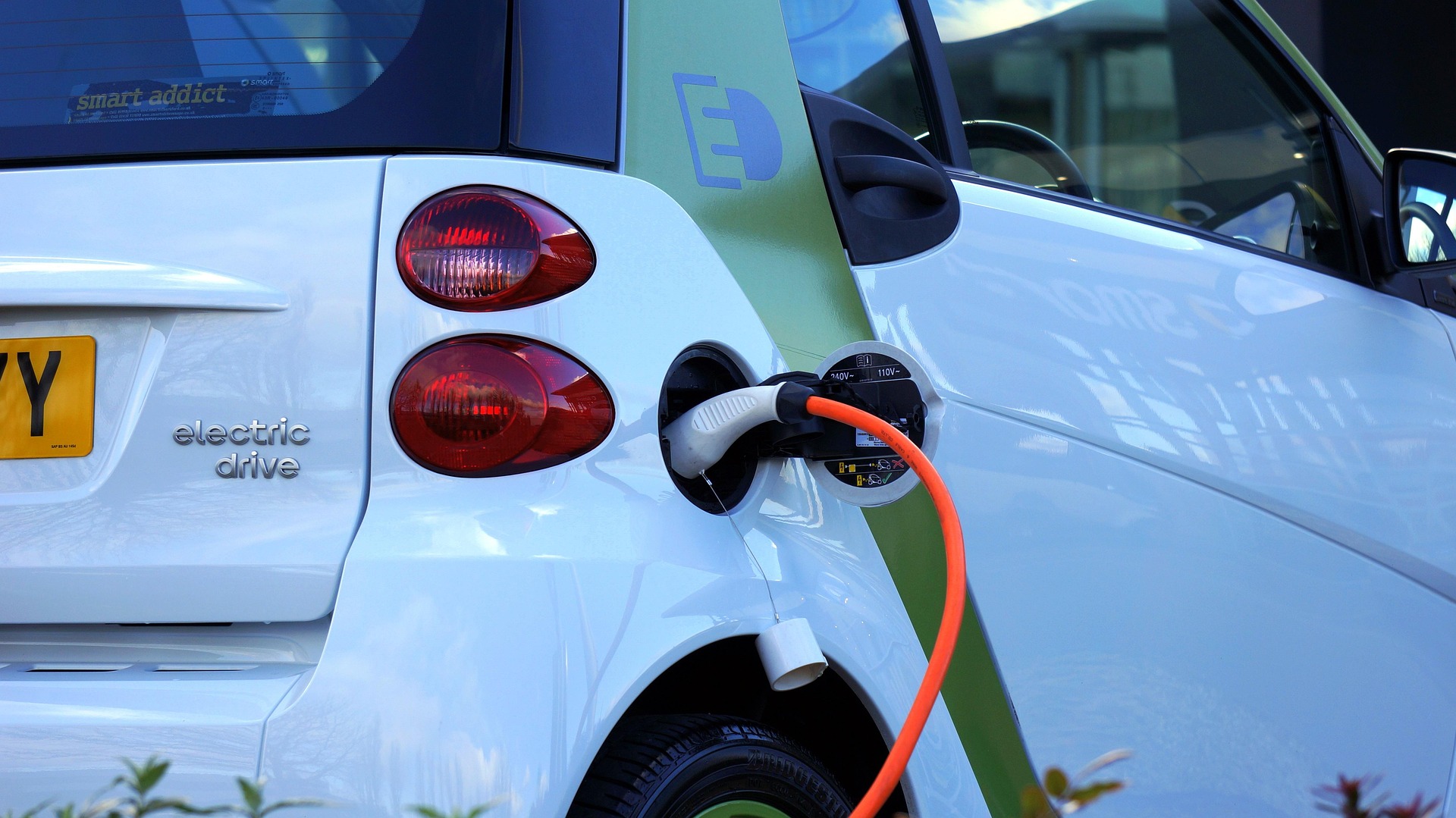
The electrification of transport is rapidly increasing the number of batteries. At the same time, the need to recycle valuable materials efficiently and safely is growing. What kind of challenge does this pose for circular economy operators? Juha Kenraali, CEO of Finnish Car Recycling, explores the topic in this column.

When we talk about new cars, we are increasingly talking about batteries: large ones, small ones, and those hidden from view. We also talk about critical components that keep both combustion engine cars and electric vehicles moving.

Yet few drivers stop to think about how many different batteries a vehicle actually contains – and what managing their lifecycle means for vehicle and battery importers, recycling organisations, and the entire Finnish circular economy.

Producer responsibility is not voluntary

In Finland, importers of batteries and vehicles have a clear responsibility for the waste management of their products when they reach the end of their lifecycle and are taken out of use by end users. This is known as producer responsibility, which most importers fulfil through producer organisations.

As transport electrification progresses, the volume of batteries covered by producer responsibility has grown and continues to grow at an accelerating pace. In practice, producer responsibility for vehicles and traction batteries is handled by the producer organisation Finnish Car Recycling.

Finnish Car Recycling ensures that, in addition to end-of-life vehicles, the reception, collection, and recycling of traction batteries are carried out appropriately and in compliance with legislation. It also reports lifecycle data related to traction batteries to the authorities.

To those unfamiliar with the system, it may appear complex or bureaucratic. However, this is not bureaucracy for its own sake, but a system designed to ensure that valuable materials are returned to circulation and that safety risks related to batteries are properly managed.

Work is carried out in close cooperation with recycling partners and other producer organisations. Collaboration with Akkukierrätys Pb Oy and Recser Oy reduces administrative burden and supports the development of expertise.

There are more batteries in cars than many realise

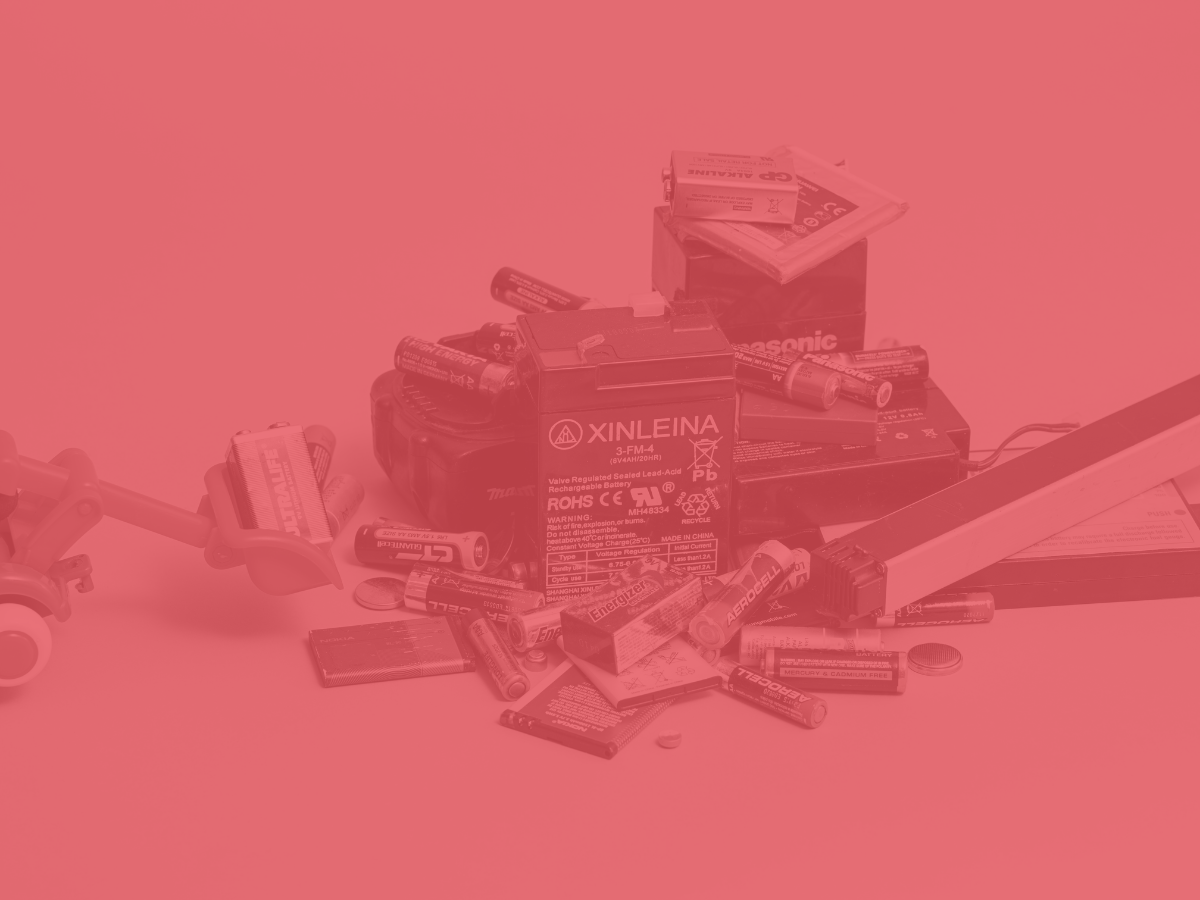
A car does not run on just one battery. Even a traditional combustion-engine car contains several batteries. The essential 12-volt lead battery starts the engine and powers the car’s electrical systems. A small coin battery in the key allows the doors to be opened from a distance, and for example, batteries in tyre pressure monitoring sensors ensure that the system can warn of uneven tyre pressure.

In addition, new cars are equipped with the mandatory eCall system, which requires its own backup battery so that a connection can be established in an emergency even if the car’s 12-volt system is not functioning.

Traction batteries in electric vehicles are in a category of their own. Due to their size alone, they differ significantly from other batteries. An electric vehicle is essentially a mobile device powered by batteries and contains a wide variety of battery components. Each of these falls within the scope of producer responsibility.

A traction battery is not ordinary waste

The recycling of traction batteries involves logistics, chemistry, and risk management. A battery in a fully electric car weighs approximately 200–700 kilograms. At the same time, it represents a valuable reservoir of materials, including nickel, cobalt, lithium, and copper.

A traction battery is not entirely risk-free either. Especially if handled incorrectly, high-voltage batteries are associated with known fire risks, although they are safe for consumers under normal use.

Proper collection and recycling are the foundation of a functioning circular economy. When a traction battery is returned to a collection point, an authorised operator collects it and arranges transport to a recycling facility. The battery is packed in a purpose-designed transport container, and transportation is carried out in compliance with ADR regulations.

Dismantling and material recovery take place in facilities where materials are separated and returned to industrial use. The purpose of producer responsibility is to ensure that the entire chain operates safely and efficiently.

Data and digitalisation are part of the battery circular economy

Today, it is difficult to find a process that has not been at least partially digitalised. The DELV system maintained by Finnish Car Recycling connects battery flows and producer responsibility into a single digital view and ensures that every traction battery ends up in the correct treatment process.

The system generates data needed by authorities, producer organisations, importers, and recyclers. At the same time, DELV enables the transparency increasingly required by current and future EU regulation.

DELV is not just an information system – it is infrastructure that makes the circular economy of traction batteries verifiable and reliable.

Battery recycling is a competitive advantage of the future

The impacts of recycling traction batteries from electric vehicles extend much further than one might initially think. It is about technology, responsibility, the utilisation of data, and also profitable business.

Finland still has an opportunity to be a frontrunner in this field – as long as we maintain strong producer responsibility and systems that make the invisible visible.

Text: Juha Kenraali / Finnish Car Recycling Ltd

Finnish Car Recycling Ltd (Suomen Autokierrätys Oy) is a producer organisation for vehicles and traction batteries, responsible for implementing producer responsibility related to end-of-life vehicles and vehicle batteries in Finland. Finnish Car Recycling acts as the producer organisation for both end-of-life vehicles and traction batteries from electric vehicles. Its member companies include importers of passenger cars, vans, and motorhomes, as well as companies importing electric vehicles and their traction batteries.

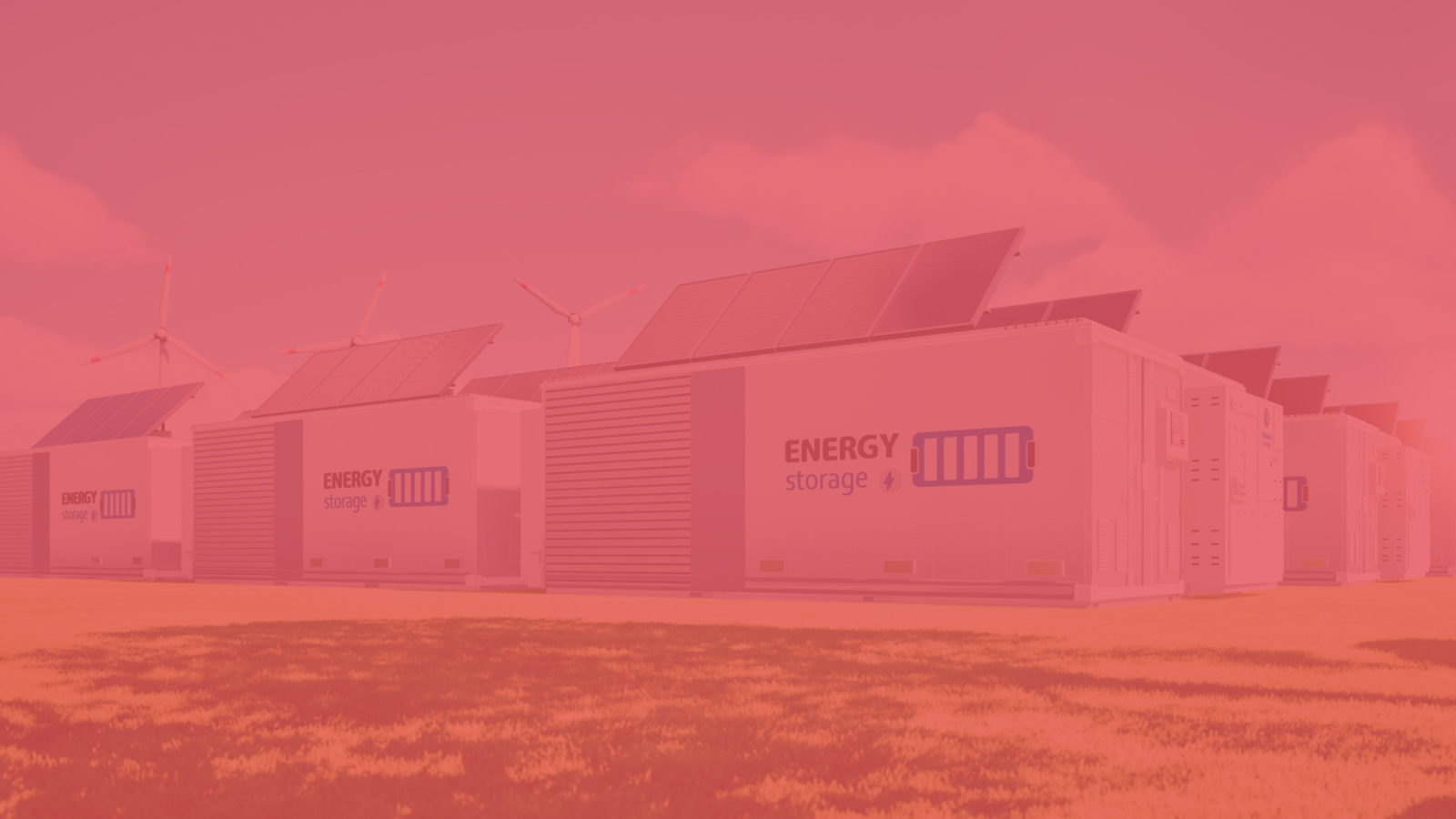
Battery Storage Builds a Bridge to a Renewable Energy System

Battery Storage Builds a Bridge to a Renewable Energy System

Battery storage has emerged as a key enabler of the renewable energy system. In their guest column, experts from Renewables Finland explain how the transformation of the energy system is reflected, among other things, in the growing battery project landscape.

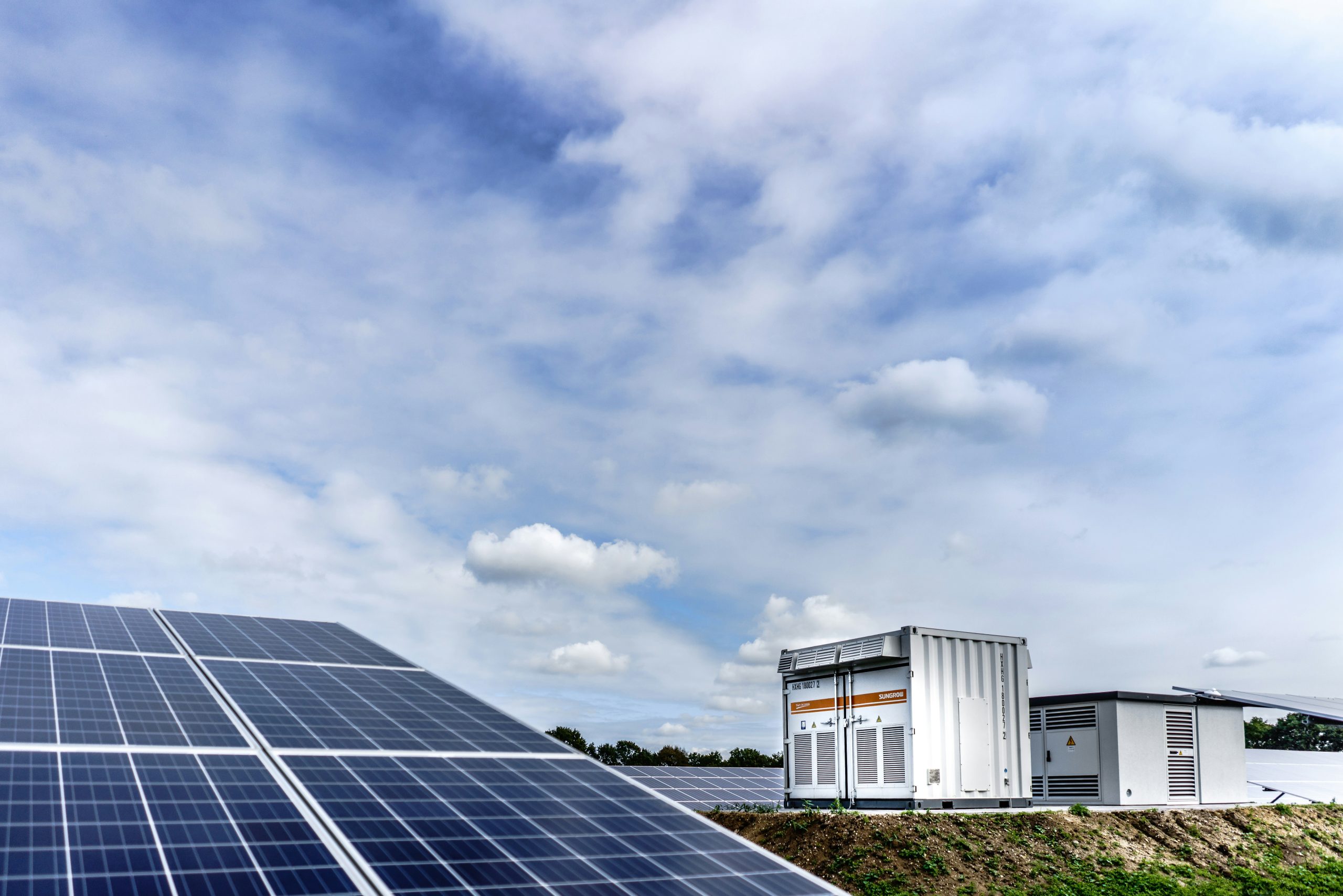
Wind and solar power have rapidly become significant and expanding components of Finland’s domestic energy mix. At the beginning of 2026, new records were once again broken: Finland now has more than 10 GW of wind power capacity and utility-scale solar power plants. The growing production of renewable energy is also accelerating the development of various solutions that support the electricity system. In this transition, battery storage is no longer a complementary technology or a curiosity, but a critical enabler.

The role of battery storage has shifted from the margins to the core of the electricity system. Batteries help balance the power system, enable more efficient use of renewable energy, and support system reliability. These flexibility solutions are accelerating the large-scale integration of renewable energy.

This development is clearly visible in the project landscape. In Finland, the number of battery storage projects has increased rapidly, and they are being implemented both as standalone solutions and as part of wind and solar power projects. In particular, hybrid projects that combine generation and storage are becoming increasingly common: according to project data from Renewables Finland, around 160 such projects were under development in Finland at the turn of the year. In addition to new projects, battery capacity is also planned for many existing wind and solar power sites to support generation. Battery solutions are technically sound, improve project profitability, and offer new opportunities to participate in reserve and flexibility markets.

Renewables Finland plays an important role in this transition as a collector and disseminator of information and as a builder of a shared industry perspective. The association compiles an overall view of renewable energy and battery storage project development, actively engages in advocacy work, and highlights solutions that enable renewable energy and flexibility solutions to be integrated in a sustainable manner.

Battery storage is not a separate element of the energy transition, but a core part of its infrastructure. Its importance will continue to grow as we move toward an increasingly electrified, low-emission society.

Klaara Tapper & Veera Villikari
Renewables Finland
firstname.lastname(at)suomenuusiutuvat.fi

Renewables Finland (formerly the Finnish Wind Power Association) represents onshore wind power, offshore wind power, and utility-scale solar power, as well as energy storage solutions built in connection with these projects. Founded in 1988, the association shares information and supports the development and operation of renewable energy in Finland.

Webinar Provides Answers: what does the EU Battery Regulation require in practice from collection and distributors?

Webinar Provides Answers: what does the EU Battery Regulation require in practice from collection and distributors?

The implementation of the EU Battery Regulation became more concrete with the publication of the national implementation guidance in January. What does this guidance mean in practice for operators in the battery value chain? These questions were addressed at the seventh Batteries Regulation webinar organised by the battery and accumulator producer organisations.

The Batteries Regulation webinar was held on 23 April 2026 and it focused on the practical implications of the new regulation for battery collection, distributors’ take-back obligations and reporting. The webinar attracted more than 240 participants.

During the morning session, participants heard an overview of the national implementation guidance from the Finnish Supervisory Agency, perspectives from producer organisations on collection responsibilities, and practical observations from the Finnish Commerce Federation on the implementation of distributors’ collection.

The EU battery regulation places obligations on different actors across the battery value chain. This webinar focused in particular on distributors – i.e. companies selling batteries. The programme highlighted several themes that were new for many participants, including safety considerations, the use of battery-derived raw materials in fertilisers, the interpretation of the regulation through the national implementation guidance, and the retail sector’s perspective on regulatory responsibilities.

The national implementation guidance clarifies obligations under the EU battery regulation

Senior Officer Jaana Mäenpää from the Finnish Supervisory Agency presented the producer responsibility provisions of the EU Battery Regulation, which entered into force in August 2025. The regulation has introduced significant changes for battery producers and distributors alike.

the Finnish Supervisory Agency published Finland’s national implementation guidance on 30 January 2026. The guidance was updated on 2 March 2026 to correct a translation error in Article 61. Its purpose is to clarify how provisions related to the collection of waste batteries, distributors’ take-back obligations and reporting requirements are interpreted in Finland.

At the same time, the reform of the supervisory authority structure was outlined. As of 1 January 2026, supervision of producer responsibility matters was transferred to the Finnish Supervisory Agency and placed within the Environmental Department’s Circular Economy Unit. Mäenpää acts as the supervising authority for producer responsibility for batteries and accumulators.

The collection network must be comprehensive, accessible and free of charge

The national implementation guidance emphasises that producers or producer organisations must organise a collection network that ensures an adequate service level and accessibility nationwide. Collection points must accept all waste batteries and accumulators belonging to the contracted battery categories, regardless of their chemical composition, condition, brand or origin.

Collection must be free of charge and easy for the waste holder, and producers or producer organisations must provide collection and transport equipment to collection points free of charge.

Minimum requirements are also defined for the number of collection points by battery category. For portable batteries and accumulators, light means of transport batteries and vehicle batteries, each municipality must have, in addition to distributors’ take-back points, at least one regional collection point belonging to the producer responsibility collection network.

For industrial batteries, the requirements depend on battery weight. For waste batteries weighing less than 50 kg, collection must extend to every municipality. For batteries weighing more than 50 kg, the minimum requirement is one collection point per region. In all cases, the distance to a collection point must remain reasonable, and the collection network must be geographically balanced across Finland, taking population density into account.

For traction batteries, the same principle applies: collection must cover every municipality, and regional collection points must be located at a reasonable distance.

Distributors’ take-back obligations expand – flexibility is needed in practical implementation

The implementation guidance also provides clarification on distributors’ take-back obligations. As a general rule, distributors must take back waste batteries belonging to the battery categories that they sell. In certain situations, take-back may be organised at an alternative location, provided that it is at least equally accessible to the end user and otherwise compliant with the regulation.

The guidance also specifies practices related to distance selling within Finland.

  • If a sale is concluded through a distance contract without delivery and the customer collects the product from the seller’s pick-up point, the distributor must at a minimum accept waste batteries of the battery categories it sells at its pick-up points. 
  • If the sale includes delivery to the end user in Finland, the distributor must at least inform the customer at the time of ordering where the regional collection points are located. 

From the retail perspective, safety and clear communication are essential

In her commentary, Chief Policy Adviser Marja Ola from the Finnish Commerce Federation emphasised the importance of practical-level solutions. When implementing distributors’ take-back, safety must be ensured and operating models must be built on a documented risk assessment.

Take-back arrangements may vary depending on store premises, warehouse spaces, outdoor areas or other facilities. Collection solutions must take into account battery chemistry, appropriate collection containers and their correct placement.

Clear communication plays a key role. Customers must be clearly informed which waste batteries are accepted, where they can be returned and how the return process works. If a particular battery category cannot be accepted at a store for a justified reason, the customer must be given unambiguous instructions on the nearest collection point. This is essential both for customer service and for safety, to prevent batteries from ending up abandoned in car parks, streets or mixed waste.

Ola also highlighted the need for staff training. Handling and take-back of waste batteries must be properly managed in stores, and sufficient battery-related competence is also required from partner personnel such as cleaners and security staff. In addition, instructions, communication materials and collection equipment must be updated to reflect the new requirements.

The message from the Finnish Commerce Federation was clear: cost-efficient and safe battery collection is a shared interest across the entire value chain, and recycling targets can only be achieved through cooperation.

Roles of the three producer organisations – a shared objective of efficient battery circulation

During the webinar, the producer organisations Suomen Autokierrätys Oy, Recser Oy and Akkukierrätys Pb Oy presented their respective roles in implementing the EU Battery Regulation. While legislation defines the obligations, practical implementation is built on producer organisations’ infrastructure, cooperation and operational solutions.

Suomen Autokierrätys Oy is responsible for the collection and recycling of traction batteries from electric vehicles. The traction battery collection network consists of distributors such as vehicle repair shops and authorised reception points for end-of-life vehicles. Traction batteries are delivered to Stena Recycling for treatment. The DELV system supports the collection process, including arranging collections of traction batteries.

Akkukierrätys Pb Oy is responsible for the collection and recycling of vehicle and industrial lead-acid batteries. Its collection network covers all municipalities, with regional collection points including municipal waste stations, battery retailers, vehicle service centres and waste management operators’ facilities. Akkukierrätys Pb cooperates with ten waste management companies handling collection, logistics and treatment. The collection rate for lead-acid batteries is 100 %, enabling the efficient return of lead to the production of new batteries.

Recser Oy is responsible for the collection and recycling of portable batteries and accumulators, light means of transport batteries, vehicle batteries (excluding lead-acid batteries) and industrial batteries (excluding lead-acid batteries). Recser’s collection network consists of approximately 7,000 retail collection points and 500 regional collection points. Following the changes introduced by the EU Battery Regulation, the return network will expand to all battery sales points, and a dedicated collection network will be established for industrial batteries. Collection equipment will be updated, and communication and guidance will be strengthened.

Producer organisations’ websites provide information on collection networks, instructions and materials that can be used, for example, in distributors’ staff training and consumer guidance.

Producer organisations are responsible for collection networks

The core task of producer organisations is to organise functional, nationwide and compliant collection networks for their respective battery categories. This includes planning and maintaining the collection network, ensuring sufficient coverage and accessibility, providing collection and transport solutions to collection points, and cooperating with distributors to organise take-back in stores or alternative locations.

Producer organisations also ensure that collected waste batteries are directed to appropriate treatment and recycling and that producer responsibility systems comply with legislative requirements.

A shared message: successful implementation is built on cooperation

The obligations of the EU Battery Regulation have become clearer, but their practical implementation requires more detailed planning, communication and cooperation from producer organisations, distributors and other stakeholders.

The national implementation guidance provides important interpretative support. Ultimately, success depends on how effectively the obligations are embedded into day-to-day processes, collection network implementation, safety arrangements and reporting.

Producer organisations play a central role as system builders and coordinators, ensuring that the objectives of the EU Battery Regulation are implemented in practice across Finland.

Producer organisations’ websites

  • Recser Oy: Organising battery and accumulator recycling 

Further information

Read our previous articles:

Webinar Provides Answers: Durability, Safety, Labeling, and Information Requirements for Batteries

#BatteryRegulationSeminar: EUCOBAT Stands by Producers as the EU Decides on Battery Regulation Guidelines – Paristokierrätys

#BatteryRegulationSeminar: EU battery regulation tightens requirements, but recycling service providers believe in collaboration: “This is a chain that we all influence” – Paristokierrätys

#BatteryRegulationSeminar: Producer organisations make producer responsibility manageable – even in times of change

#BatteryRegulationSeminar: Battery producer organisations’ seminar strengthened faith in the future and the power of collaboration

#BatteryRegulationSeminar: the EU Battery Regulation imposes obligations on all actors in the value chain – Paristokierrätys

#BatteryRegulation: producer responsibility for industrial batteries changes in August 2025 – what does collective responsibility mean? – Paristokierrätys

#BatteryRegulation: the EU battery regulation demands more efficient recycling – Finland prepares for new targets – Paristokierrätys

#BatteryRegulation: answers from the webinar – proper due diligence in the battery supply chain – Paristokierrätys

#BatteryRegulation: Commission guidelines on the removability and replaceability of portable batteries and light means of transport (LMT) batteries – Paristokierrätys

#BatteryRegulation: An Intense Year of Battery Regulation Behind – and a New One Ahead – Paristokierrätys

#BatteryRegulation: The battery passport is real and full of potential – Test the battery passport using the QR code in the article! – Paristokierrätys

This article is a part of the joint communications of the battery producer organisations Recser Oy and Akkukierrätys Pb Oy concerning the EU Batteries Regulation. You can also subscribe to our newsletter to receive the latest news on the subject.

Reporting to a new system – log in and check your company information

Reporting to a new system – log in and check your company information

The reporting of batteries put on the market in Finland will move to a new system – Elrepo. Actual reporting will take place according to the familiar reporting schedule starting 1 April 2026.

We kindly ask all reporters to log in to Elrepo now and verify that their company information is correct.

Logging in is done using your email address; no password is required. Enter your email address in the designated field. Use the same email address that you have used as the username in the old system. You will receive a login link by email. Click the link to open Elrepo.

Login address: https://elrepo.elker.fi

Please ensure that the following information is up to date:

  1. Company details 
  2. Billing information and billing reference 
  3. Contact persons 
  4. Contact person for financial administration 
  5. Battery categories
  6. Product categories (if your company reports EEE) 

Do you report for more than one company?

If you report for more than one company, select the company after logging in. You can switch the company by returning to this page or directly from the dropdown menu at the top of the page.

If you operate as a consultant and perform registrations and/or reporting on behalf of your clients, the consultant company must be added to Elrepo. If your consulting company has not been added, please contact member support: membersupport@elker.fi

User instructions

You can find Elrepo´s user instructions here.

Problems logging in?

  1. Ensure that you are using the same email address you used as your username in the old reporting system. 
  2. Also check your spam folder. The login link is sent from elrepo(a)elker.fi. Please make sure that this email address is included among trusted senders. 
  3. If your company has multiple reporters, ask a colleague (who can access Elrepo) to check and add access rights for you. 
  4. If you still cannot get the login link, submit a support request using this form. We will verify the access rights and send confirmation by email. 

Old reports and correcting 2025 reports

If your company needs to correct 2025 reports, this must be done in the old Prime reporting system:

  • for batteries, it is not possible to correct the reports anymore 
  • for electrical and electronic equipment by 31 March 2026

Reports from 2025 or older will not be transferred to Elrepo. You can view and download reports from the old Prime system until 31 March 2026. After that, you can request reports by email from Recser’s Producer Services (info(a)recser.fi).

What is Elrepo?

Elrepo is a reporting system used by producer organizations for reporting the quantities of batteries as well as electrical and electronic equipment put on the market in Finland. The first reporting period is 1–30 April 2026, during which the quantities placed on the market during Q1 (1 January–31 March 2026) must be reported.

Elrepo is used by Elker Oy (SELT ry, ICT Producer Cooperative–TY, Flip ry), Recser Oy, and Akkukierrätys Pb Oy. Elrepo replaces the old Prime reporting system.

Recser Is Renewing – Powering the Circular Economy More Clearly Than Ever

Recser Is Renewing – Powering the Circular Economy More Clearly Than Ever

Powering the circular economy

This is the core of Recser’s renewed brand – a promise that we make battery recycling easy and producer responsibility manageable for producers. In doing so, we ensure that the circular economy works as it should: efficiently, responsibly, and smoothly.

Everyday life is becoming increasingly electrified, generating ever-growing volumes of used batteries. Along with them circulate valuable raw materials – or, at worst, they are lost. The EU Battery Regulation introduces new obligations, expands the scope of producer responsibility, and elevates the importance of clear guidance to an entirely new level.

Amid these changes, clarity, consistency, and operating under one name are more important than ever. That is why we have renewed our brand.

What Does the Renewal Mean in Practice?

Recser is a producer responsibility organisation founded and owned by battery producers. Our mission is to take care of the collection and recycling of batteries on behalf of producer-responsible companies – safely, sustainably, and cost-effectively – and to make producer responsibility clear and manageable for producers.

With the EU Battery Regulation, our responsibility has expanded to include industrial batteries weighing over 25 kg, and producer responsibility now covers a significantly broader group of companies. For this reason, we will gradually phase out the name Paristokierrätys and use only the name Recser in all our operations and communications.

“We need to reach an ever wider group of companies and consumers. Communicating under a single brand is clearer and more effective” says Managing Director Liisa‑Marie Stenbäck.

Brand Story – Why Is Our Work Important?

The circular economy only works if every battery finds its way back into use as efficiently as possible. Growing battery volumes, limited natural resources, and tightening requirements form a major challenge: recycling must work more smoothly than ever before.

In this ecosystem, Recser acts as a trusted guide and bridge-builder:

  • We make complex producer responsibility clear and manageable.
  • We provide companies and consumers with consistent, easy-to-use guidance.
  • We ensure that as many valuable materials as possible are recovered for reuse.
  • We build understanding of the societal importance of producer responsibility and recycling.

One returned battery is a small act – but multiplied by millions, it becomes a decisive factor in achieving Finland’s and the EU’s circular economy targets.

What Does the Renewal Bring for Producers?

The new visual identity will first be visible to the members of our producer responsibility organisation:

  • a renewed producer label
  • an updated certificate
  • new, clear communication and guidance materials to be published during the spring

These tools enable producers to communicate their responsibility to customers and stakeholders in a consistent, reliable, and easily recognisable way.

The materials are available upon request by email at info(a)recser.fi, and later also in the Elrepo reporting system.

Towards Tighter Targets – Together

With the EU Battery Regulation, recycling efficiency and recovery requirements will increase. This affects the entire value chain – from producers and collection points to transport and treatment.

Recser’s role is to support all these stakeholders. We make recycling easy and producer responsibility manageable so that tightening requirements can be met proactively and together.

Next Steps in 2026

The renewal will be rolled out gradually across all our activities during 2026.

Spring 2026

  • Renewal of collection point guidelines
  • First new communication and guidance materials for producers

Late 2026

Once the core materials are in use, we will renew our entire visibility:

  • a redesigned website that is clearer, more accessible, and more informative
  • all communication and guidance materials updated in line with the new brand
  • consistent communication for all stakeholders
Recser Oy

Recser Oy is a non-profit producer responsibility organisation founded and owned by battery producers. We take care of the separate collection, pre-treatment, recycling and the promotion of battery recycling in Finland on behalf of more than 1,200 producers. In 2025, over 2 million kilograms of portable batteries were collected in Finland, yielding more than 1 million kilograms of recycled materials.

Recser – Powering the circular economy.