Recycling by battery type
The return point is selected based on the Battery category
There are many different types of batteries, and they are classified by legislation into different groups based on their characteristics and intended use. This classification affects how batteries are collected and recycled.
This page outlines the most common battery categories, including rechargeable batteries, the products they include, and how they are recycled. Using the examples provided, you can identify the different battery categories and find out how to return used batteries for recycling.
Page content:
Small everyday batteries, and batteries for electronics and tools

Portable batteries are sealed units weighing up to five kilograms. They are used in a wide range of everyday devices, from household electronics to power tools.
Portable batteries
Examples of portable batteries
- AA and AAA batteries, as well as rechargeable batteries
- Button and coin batteries, such as watch batteries
- Batteries for mobile phones, tablets and laptops
- Batteries for cordless power tools
- Batteries for toys, remote controls and other small devices
How are portable batteries recycled?
Return used batteries free of charge to shops selling similar batteries, or to your local collection point (waste and recycling centres).
Tape over the terminals of batteries before returning them to prevent short circuits. Do not place them in mixed waste or mix them with any other waste stream where they could become compressed and cause a fire. Damaged batteries must be handled in accordance with specific safety instructions.
Batteries for electric bikes, e-scooters and similar light means of transport (LMT)
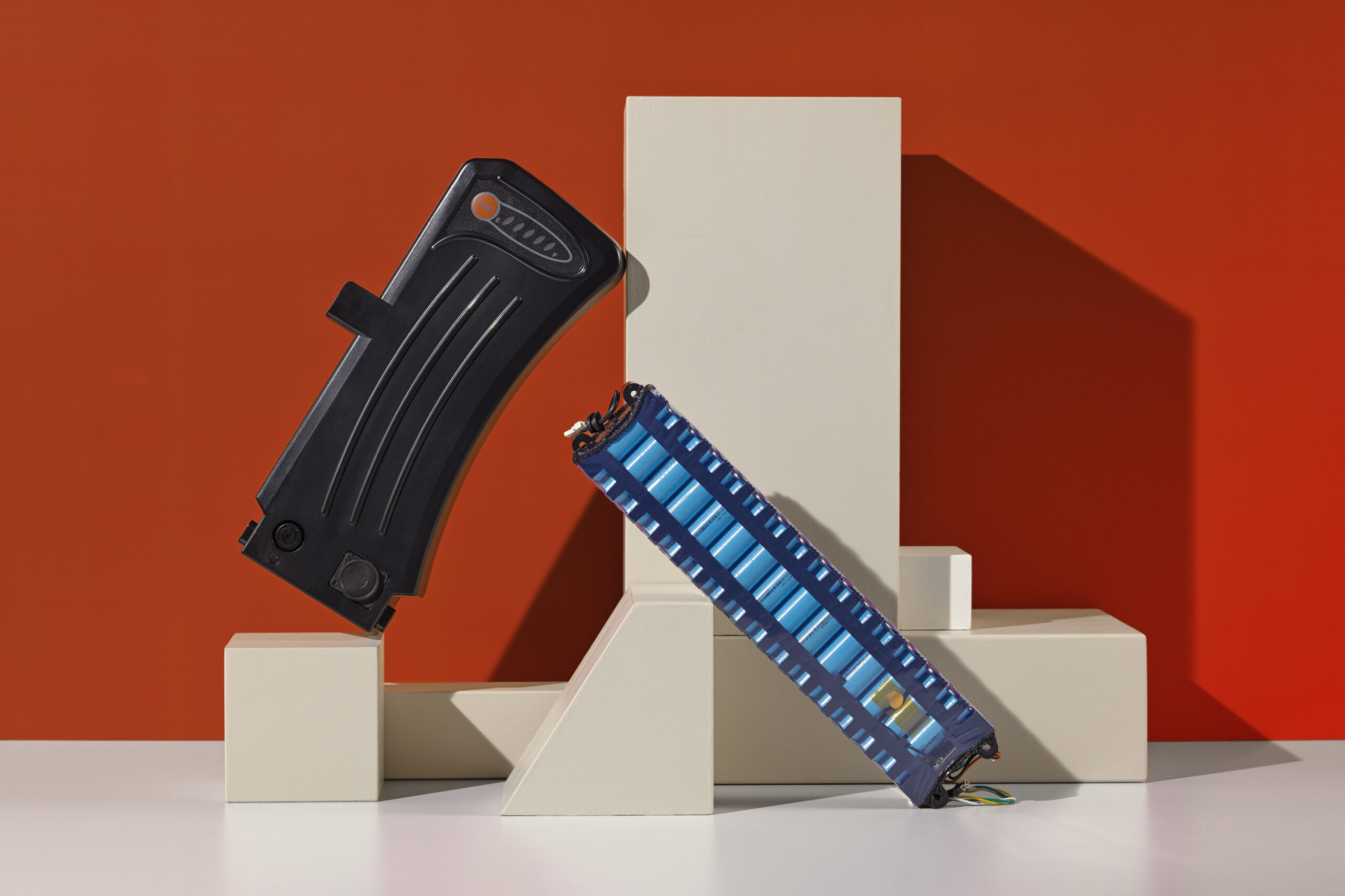
Light means of transport (LMT) batteries are batteries weighing no more than 25 kilograms and designed for use in wheeled electric or electrically assisted vehicles.
Light means of transport (LMT) batteries
Examples of LMT batteries
- Batteries for electric bikes and e-bikes
- Batteries for electric scooters
- Batteries for electric cargo bikes
- Batteries for other light means of transport (LMT)
LMT batteries are often lithium-ion batteries. Thanks to their high energy density, they offer a long range whilst being relatively lightweight.
How to recycle Light means of transport (LMT) batteries
Return a battery that is no longer in use to a shop that sells similar batteries, packed in a separate plastic bag.
If the battery is damaged, return it to a regional collection point (your local waste or recycling centre) that is equipped to accept damaged batteries.
Protect the battery terminals from short circuits by placing the battery in a separate plastic bag and handle it with care. Do not dismantle the battery or place it in general waste, or mix it with any other type of waste. If placed in the wrong type of waste, the battery may be crushed, causing a fire and posing a risk to waste management staff.
Vehicle starter batteries

Starter batteries, also known as SLI (Starting, Lighting and Ignition) batteries, are designed to supply electricity for starting, lighting or ignition in vehicles and machinery. They can also be used as auxiliary or backup power sources.
The most common starter batteries are lead-acid batteries, but the category also includes other types of batteries designed for starting purposes.
Vehicle batteries
Examples of starter batteries
- Starter batteries for passenger cars and vans
- Starter batteries for lorries
- Starter batteries for motorbikes and mopeds
- Starter batteries for tractors and other machinery
- Starter batteries for boat engines
How to recycle starter batteries
Return used starter batteries free of charge to battery shops that sell them or to your local collection point. Please note that lead-acid starter batteries are collected separately from starter batteries with other chemistries.
Handle batteries with care and keep them in an upright position. Lead-acid batteries contain corrosive electrolyte, so you must not break them open or discharge them yourself.
Large batteries for electric vehicles
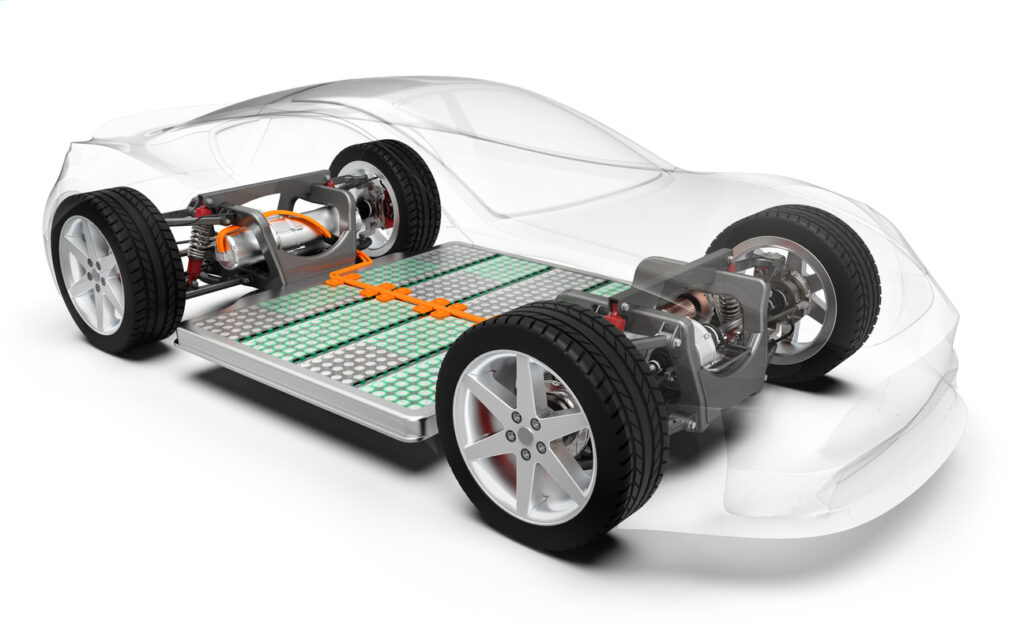
Electric vehicle batteries are the power source for electric and hybrid vehicles. They include the drive batteries for passenger cars, vans, lorries and buses.
Electric vehicle batteries are usually high-capacity lithium-ion batteries. Their structure and chemical composition vary depending on the vehicle.
Drive batteries
Examples of electric vehicle batteries
- Drive batteries for fully electric cars
- Drive batteries for plug-in hybrid cars
- Batteries for electric vans and electric lorries
- Drive batteries for electric buses
- Drive batteries for electric motorbikes weighing over 25 kilograms
Recycling of electric vehicle batteries
Electric vehicle batteries are removed directly at a vehicle service centre or by a specialist recycling company.
Removing the battery, preparing it for transport and handling it require appropriate expertise. You must not dismantle or handle the batteries yourself.
Energy storage systems, UPS batteries, forklift truck batteries
Industrial batteries include those designed for industrial use, as well as other batteries weighing more than five kilograms that do not fall into other Battery categories. This category also includes, for example, energy storage batteries used for storing electrical energy.
Industrial batteries are used in a wide variety of devices and systems, and their chemical composition and size vary considerably depending on their intended use.
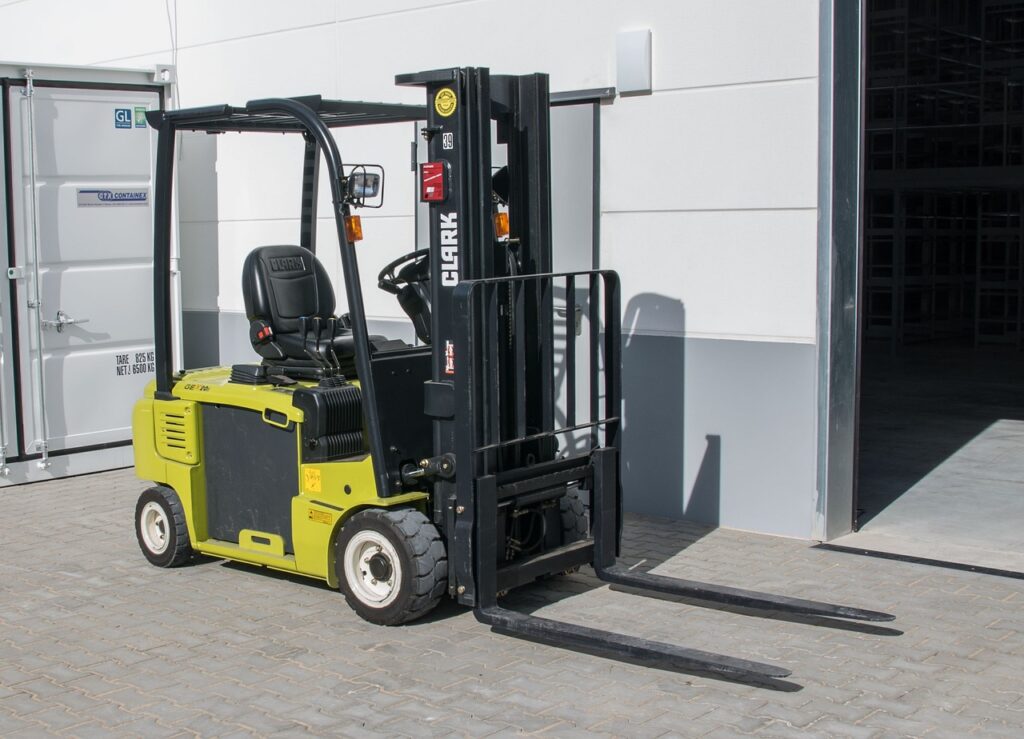
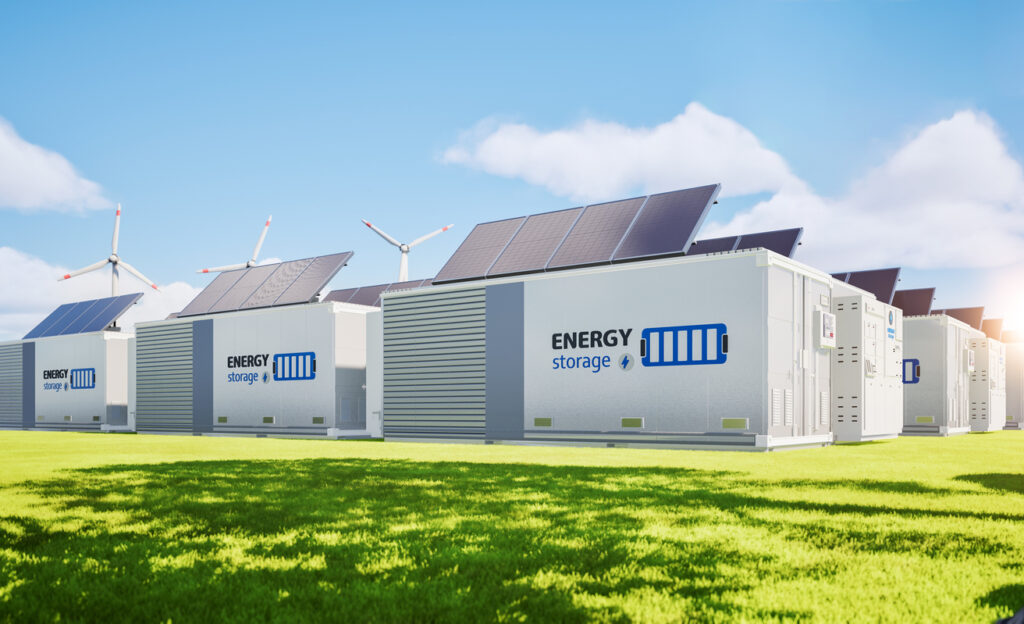

Industrial batteries
Examples of industrial batteries and batteries:
- Batteries for forklift trucks and other industrial vehicles
- Batteries for industrial machinery and equipment
- Batteries for emergency power systems and UPS units
- Batteries for energy storage in buildings and electricity grids
- Large-scale industrial lithium-ion batteries
How to recycle industrial batteries and batteries
Deliver end-of-life industrial batteries and batteries to a collection point suitable for their characteristics. Collection is usually arranged through a company, the battery supplier or a recycling service provider.
The chemical composition, size and condition of the battery affect how it is transported and handled. Check with the collection point in advance to ensure the battery is delivered safely.
When batteries are received, general information is collected to ensure safety and recyclability.
You can find your nearest collection point using the collection point search.