Portable batteries
Portable batteries are sealed batteries weighing up to five kilograms. They are used in a wide range of everyday devices, from household electronics to tools.
There are many different types of batteries, and they are classified by law into different groups based on their characteristics and intended use. This classification affects how batteries are collected and recycled.
Below, we outline the battery categories and the products they cover. The examples will help you identify the different battery categories and understand how batteries within each category are collected and how they should be packaged for transport.
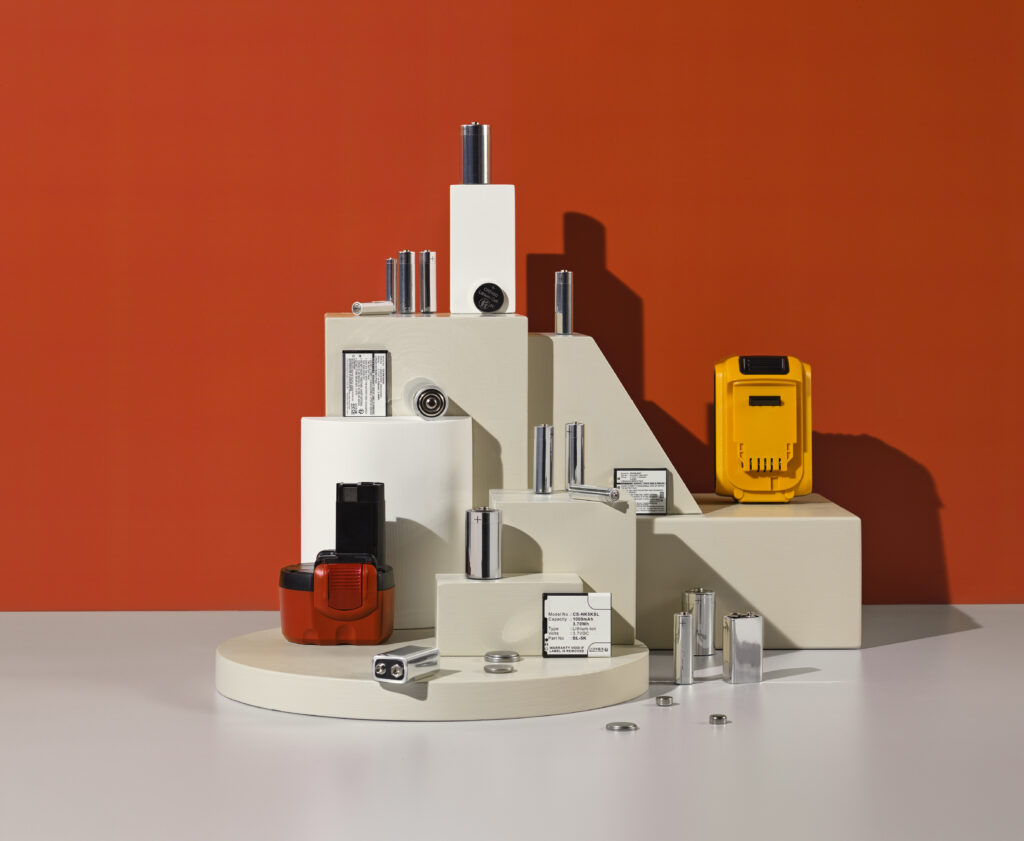
Portable batteries are sealed batteries weighing up to five kilograms. They are used in a wide range of everyday devices, from household electronics to tools.
If a business distributes – that is, sells or passes on – batteries or rechargeable batteries falling within this category, it is obliged to accept all batteries included in this category.
Registering as a collection point is easy and free of charge.
As a general rule, portable batteries can be transported in a cardboard battery box, provided that the returned material consists mainly of batteries and only the occasional rechargeable battery is mixed in. Examples of such locations include small shops, offices and public buildings. If the amount of material returned starts to fill several boxes a month, you can switch to using a larger collection container.
If a large number of rechargeable batteries are returned on a regular basis, you must switch to using a UN-approved collection container. Examples of such locations include electronics shops and electronics repair centres.
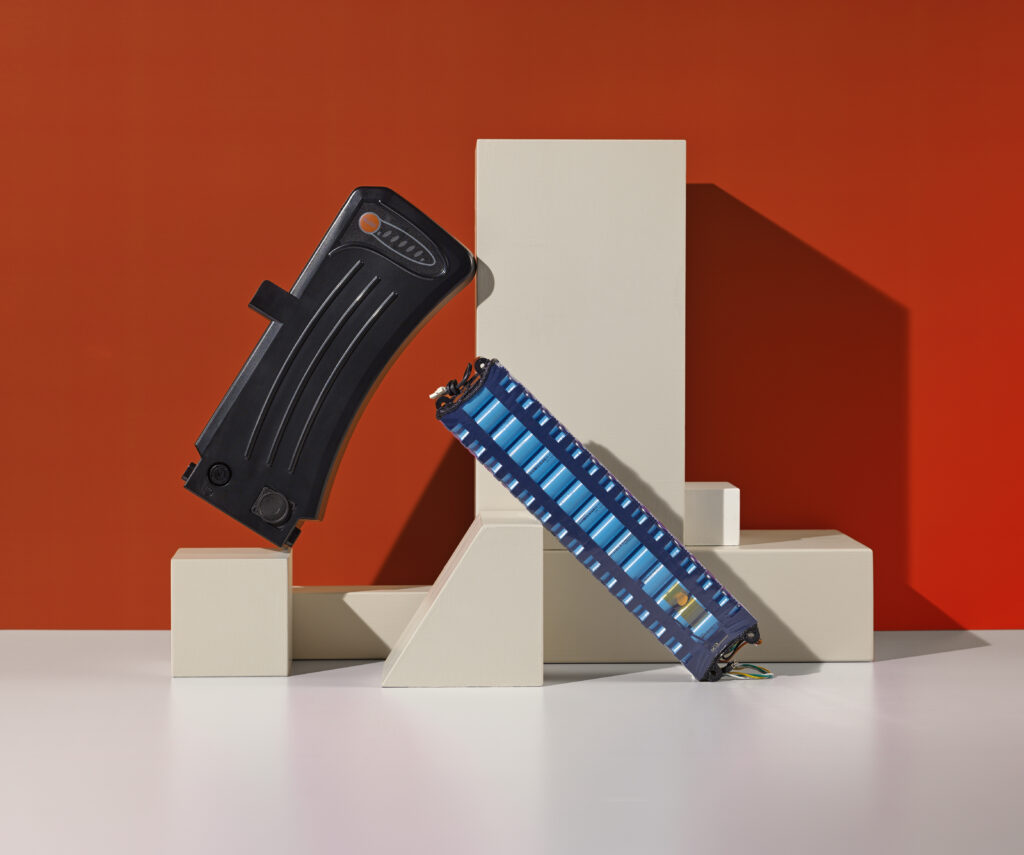
Batteries for light means of transport, or LMT batteries (Light Means of Transport), are batteries weighing no more than 25 kilograms and designed for use in wheeled electric or electrically assisted vehicles.
LMT batteries are often lithium-ion batteries.
We recommend packing batteries for light mobility devices in accordance with Special Provision 376 of the VAK regulations and packing method P908.
This means that the batteries are placed in individual plastic bags inside our UN-approved containers, such as a battery drum or a Baxi600l container.
When the container is full and is due to be collected, any empty space left in the packaging can be filled with a bulking agent, such as vermiculite. Vermiculite can be ordered via our ordering system when placing an order for collection equipment.

Starter batteries, also known as SLI (Starting, Lighting and Ignition) batteries, are designed to supply electricity for starting, lighting or ignition in vehicles and machinery. They can also be used as auxiliary or backup power sources.
The most common starter batteries are lead-acid batteries, but the category also includes other types of batteries designed for starting purposes.
We are unable to recycle lead-acid batteries, and they must not be placed in our collection bins.
They are recycled via Akkukierrätys Pb.
The recycling of starter batteries that do not contain lead is handled by us, and they can be placed in the collection containers we provide.
Due to their size and battery chemistry, suitable collection containers for vehicle batteries are battery drums and Baxi600l.
Companies selling vehicle batteries, i.e. starter batteries, must accept end-of-life starter batteries from customers, regardless of the battery chemistry. If your product range includes starter batteries or if you fit them to a customer’s vehicle, for example as part of a service, you are obliged to accept them.
Electric vehicle batteries are those that power electric and hybrid vehicles. These include drive batteries for passenger cars, vans, lorries and coaches.
Electric vehicle batteries are usually high-capacity lithium-ion batteries. Their structure and chemical composition vary depending on the vehicle.
Suomen Autokierrätys Oy acts as the producer organisation for traction batteries.
To recycle or hand in traction batteries, please contact Suomen Autokierrätys.
Industrial batteries include those designed for industrial use, as well as other accumulators weighing more than five kilograms that do not fall into any other battery category.
This category also includes, for example, energy storage batteries used for storing electrical energy. Despite their name, energy storage systems used in households are also classified as industrial batteries.
Industrial batteries are used in a wide variety of devices and systems, and their chemical composition and size vary considerably depending on their intended use.
Batteries intended for use:
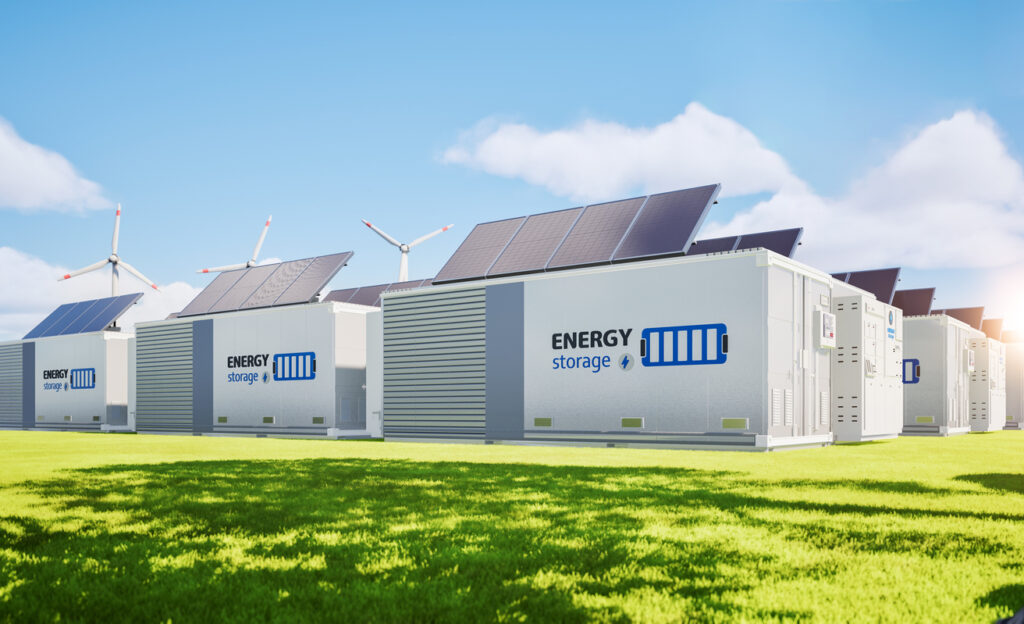
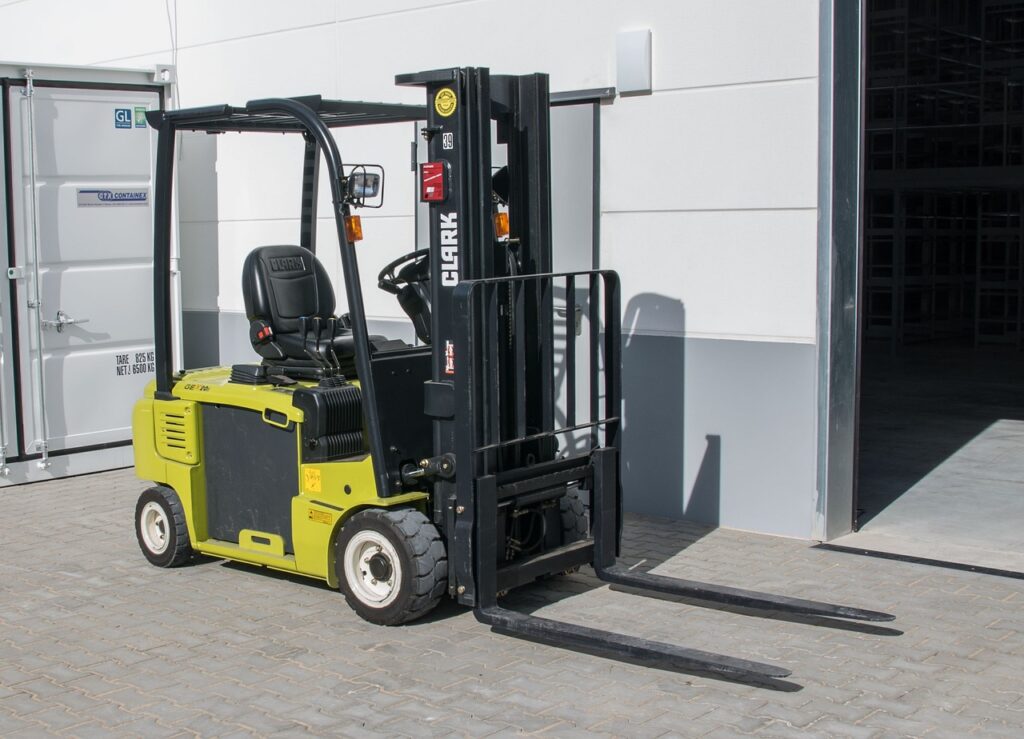
A distributor selling industrial batteries must accept end-of-life industrial batteries from end users free of charge and without any obligation to purchase a new battery. If, for example, you sell energy storage systems to households, you are obliged to take back all batteries classified as industrial batteries.
Small batches of industrial batteries:
Industrial batteries weighing less than 50 kg are recycled through us and can be placed in the collection containers we provide.
Due to their size and battery chemistry, suitable collection containers for industrial batteries are battery drums and Baxi600.
Large consignments of industrial batteries:
Packaging instructions for large batches of industrial batteries should be requested directly from Recser, info@recser.fi.
As distributors have a statutory obligation to accept these batteries, no separate collection agreement is required.
If you receive an industrial battery weighing over 50 kg, please place the battery on a pallet and contact us at info@recser.fi for further instructions.
Collection points for large industrial batteries must have sufficient capacity and expertise to accept them:
If your current agreement does not cover the collection of industrial batteries weighing over 50 kg:
If you also wish to accept batteries weighing more than 50 kg, please contact us by email at info@recser.fi. you must demonstrate sufficient capacity to operate as a collection point in the areas mentioned above.
If you have a contract for the collection of industrial batteries weighing over 50 kg:
If you have an agreement with Recser for the collection of industrial batteries weighing over 50 kg, you will find comprehensive guidelines for the collection of large industrial batteries here:
Your contract does not cover the collection of industrial batteries weighing over 50 kg, but you have been offered industrial batteries
If you are offered a large consignment of industrial batteries or batteries weighing over 50 kg, and there is no collection agreement in place, the person delivering the consignment must be directed to a regional collection point. You can find suitable regional collection points using our collection point search.