Dark colours use less energy on the screen than light colours. The theme colour does not affect the colours of videos or other media content. Keeping dark mode enabled helps save energy and may also be more comfortable on the eyes.

Display website images in lighter versions. Smaller image files make the website lighter to load.

Turn off animations and motion effects on the website. This gives you a simpler and calmer browsing experience.

The End-of-Life Vehicles Regulation Nears the Finish Line in the EU
The End-of-Life Vehicles Regulation Nears the Finish Line in the EU

The European Commission published its proposal for a Regulation on the Circularity Requirements for Vehicle Design and on Management of End-of-Life Vehicles in 2023. At the end of last year, a provisional agreement on the regulation was reached between the Commission, the Member States, and the European Parliament. In this article, Eini Lemmelä, Senior Specialist at the Finnish Ministry of the Environment, explains the objectives and timetable of the regulation.

Text: Eini Lemmelä, Ministry of the Environment

At present, the End-of-Life Vehicles Regulation is expected to be formally adopted and enter into force no earlier than spring 2026. The regulation will begin to apply two years after its entry into force. In addition, several of its requirements will be subject to longer transition periods.

Increased Demand for Recycled Materials

The regulation will boost demand for recycled materials by introducing requirements for their use in new vehicles. Six years after the regulation enters into force, at least 15% of the plastic by weight contained in type-approved passenger cars and vans must consist of recycled plastic. Ten years after entry into force, this requirement will increase to 25%.

The recycled plastic must originate from waste generated by products that have been placed on the market, and 20% of the recycled plastic must come from end-of-life vehicles or vehicle parts.

The Commission will later assess whether these requirements should be extended to other vehicle categories and whether requirements should also be introduced for the use of other recycled materials, such as recycled steel and aluminium, in vehicles.

Easier Replacement and Removal of Vehicle Parts

The regulation also requires vehicles to be designed and manufactured so that certain components can be replaced or removed for reuse or recycling. This requirement also applies to vehicle batteries and battery packs. It will enter into force six years after the regulation takes effect and will apply most extensively to passenger cars and vans.

For other vehicle categories covered by the regulation, such as trucks, buses, and motorcycles, the requirement will apply to a smaller number of components.

Vehicle manufacturers will also be required to provide information on the replacement and removal of components. In the future, manufacturers will not be allowed to hinder the removal or replacement of components through software updates.

The regulation will also introduce a Digital Circularity Vehicle Passport, which must contain, among other things, information on component removal and components containing certain hazardous substances.

Changes to Extended Producer Responsibility

As a result of the regulation, extended producer responsibility (EPR) and waste management requirements for end-of-life vehicles will be expanded beyond passenger cars and vans to include, among others, trucks, buses, trailers, motorcycles, and mopeds.

The producer responsibility provisions of the regulation differ to some extent from Finland’s current EPR rules.

To fulfil their producer responsibility obligations, producers may enter into agreements with authorised treatment facilities. Such agreements must be fair, transparent, and non-discriminatory.

Supervisory authorities will be required to monitor the costs of collecting and treating end-of-life vehicles, the revenues of waste management operators, and producer fees in order to ensure a fair allocation of costs.

The regulation also introduces new criteria for the modulation of producer fees.

A further new element is the producer’s obligation to cover waste management costs when a vehicle becomes an end-of-life vehicle in a Member State other than the one where it was originally placed on the market, provided that no producer has been designated in that Member State. In the case of passenger cars and vans, this obligation will rest with the vehicle manufacturer.

New Requirements for the Treatment of End-of-Life Vehicles

The regulation requires operators treating end-of-life vehicles to remove specific components for reuse and recycling. Components with potential for reuse, refurbishment, or remanufacturing must be removed in a way that prevents their destruction. Exceptions may be allowed under certain conditions.

Batteries contained in end-of-life vehicles must also be removed. Under the Batteries Regulation, waste batteries from end-of-life vehicles must be delivered to battery producers or waste management operators designated by them for treatment.

Components removed from end-of-life vehicles that are suitable for reuse, refurbishment, or remanufacturing will not be considered waste. Batteries are an exception, as they remain subject to the Batteries Regulation.

Recycling Targets Remain Largely Unchanged

The existing reuse and recycling targets for end-of-life vehicles will remain unchanged, although vehicle batteries will be excluded from the calculations.

Three years after the regulation enters into force, the following annual targets will continue to apply based on the average weight of end-of-life vehicles:

  • At least 85% must be reused or recycled.
  • At least 95% must be reused or recovered.

The regulation also introduces a new plastic recycling target. Five years after entry into force, 30% of the plastic by weight contained in end-of-life vehicles must be recycled annually.

Certain plastics, such as plastics classified as persistent organic pollutant (POP) waste, are excluded from this target.

These targets will apply only to passenger cars and vans.

The regulation also contains requirements concerning the collection, storage, and shredding of end-of-life vehicles.
Transport electrification is accelerating – and so is the circular economy

Transport electrification is accelerating – and so is the circular economy

The electrification of transport is rapidly increasing the number of batteries. At the same time, the need to recycle valuable materials efficiently and safely is growing. What kind of challenge does this pose for circular economy operators? Juha Kenraali, CEO of Finnish Car Recycling, explores the topic in this column.

When we talk about new cars, we are increasingly talking about batteries: large ones, small ones, and those hidden from view. We also talk about critical components that keep both combustion engine cars and electric vehicles moving.

Yet few drivers stop to think about how many different batteries a vehicle actually contains – and what managing their lifecycle means for vehicle and battery importers, recycling organisations, and the entire Finnish circular economy.

Producer responsibility is not voluntary

In Finland, importers of batteries and vehicles have a clear responsibility for the waste management of their products when they reach the end of their lifecycle and are taken out of use by end users. This is known as producer responsibility, which most importers fulfil through producer organisations.

As transport electrification progresses, the volume of batteries covered by producer responsibility has grown and continues to grow at an accelerating pace. In practice, producer responsibility for vehicles and traction batteries is handled by the producer organisation Finnish Car Recycling.

Finnish Car Recycling ensures that, in addition to end-of-life vehicles, the reception, collection, and recycling of traction batteries are carried out appropriately and in compliance with legislation. It also reports lifecycle data related to traction batteries to the authorities.

To those unfamiliar with the system, it may appear complex or bureaucratic. However, this is not bureaucracy for its own sake, but a system designed to ensure that valuable materials are returned to circulation and that safety risks related to batteries are properly managed.

Work is carried out in close cooperation with recycling partners and other producer organisations. Collaboration with Akkukierrätys Pb Oy and Recser Oy reduces administrative burden and supports the development of expertise.

There are more batteries in cars than many realise

A car does not run on just one battery. Even a traditional combustion-engine car contains several batteries. The essential 12-volt lead battery starts the engine and powers the car’s electrical systems. A small coin battery in the key allows the doors to be opened from a distance, and for example, batteries in tyre pressure monitoring sensors ensure that the system can warn of uneven tyre pressure.

In addition, new cars are equipped with the mandatory eCall system, which requires its own backup battery so that a connection can be established in an emergency even if the car’s 12-volt system is not functioning.

Traction batteries in electric vehicles are in a category of their own. Due to their size alone, they differ significantly from other batteries. An electric vehicle is essentially a mobile device powered by batteries and contains a wide variety of battery components. Each of these falls within the scope of producer responsibility.

A traction battery is not ordinary waste

The recycling of traction batteries involves logistics, chemistry, and risk management. A battery in a fully electric car weighs approximately 200–700 kilograms. At the same time, it represents a valuable reservoir of materials, including nickel, cobalt, lithium, and copper.

A traction battery is not entirely risk-free either. Especially if handled incorrectly, high-voltage batteries are associated with known fire risks, although they are safe for consumers under normal use.

Proper collection and recycling are the foundation of a functioning circular economy. When a traction battery is returned to a collection point, an authorised operator collects it and arranges transport to a recycling facility. The battery is packed in a purpose-designed transport container, and transportation is carried out in compliance with ADR regulations.

Dismantling and material recovery take place in facilities where materials are separated and returned to industrial use. The purpose of producer responsibility is to ensure that the entire chain operates safely and efficiently.

Data and digitalisation are part of the battery circular economy

Today, it is difficult to find a process that has not been at least partially digitalised. The DELV system maintained by Finnish Car Recycling connects battery flows and producer responsibility into a single digital view and ensures that every traction battery ends up in the correct treatment process.

The system generates data needed by authorities, producer organisations, importers, and recyclers. At the same time, DELV enables the transparency increasingly required by current and future EU regulation.

DELV is not just an information system – it is infrastructure that makes the circular economy of traction batteries verifiable and reliable.

Battery recycling is a competitive advantage of the future

The impacts of recycling traction batteries from electric vehicles extend much further than one might initially think. It is about technology, responsibility, the utilisation of data, and also profitable business.

Finland still has an opportunity to be a frontrunner in this field – as long as we maintain strong producer responsibility and systems that make the invisible visible.

Text: Juha Kenraali / Finnish Car Recycling Ltd

Finnish Car Recycling Ltd (Suomen Autokierrätys Oy) is a producer organisation for vehicles and traction batteries, responsible for implementing producer responsibility related to end-of-life vehicles and vehicle batteries in Finland. Finnish Car Recycling acts as the producer organisation for both end-of-life vehicles and traction batteries from electric vehicles. Its member companies include importers of passenger cars, vans, and motorhomes, as well as companies importing electric vehicles and their traction batteries.

Battery Storage Builds a Bridge to a Renewable Energy System

Battery Storage Builds a Bridge to a Renewable Energy System

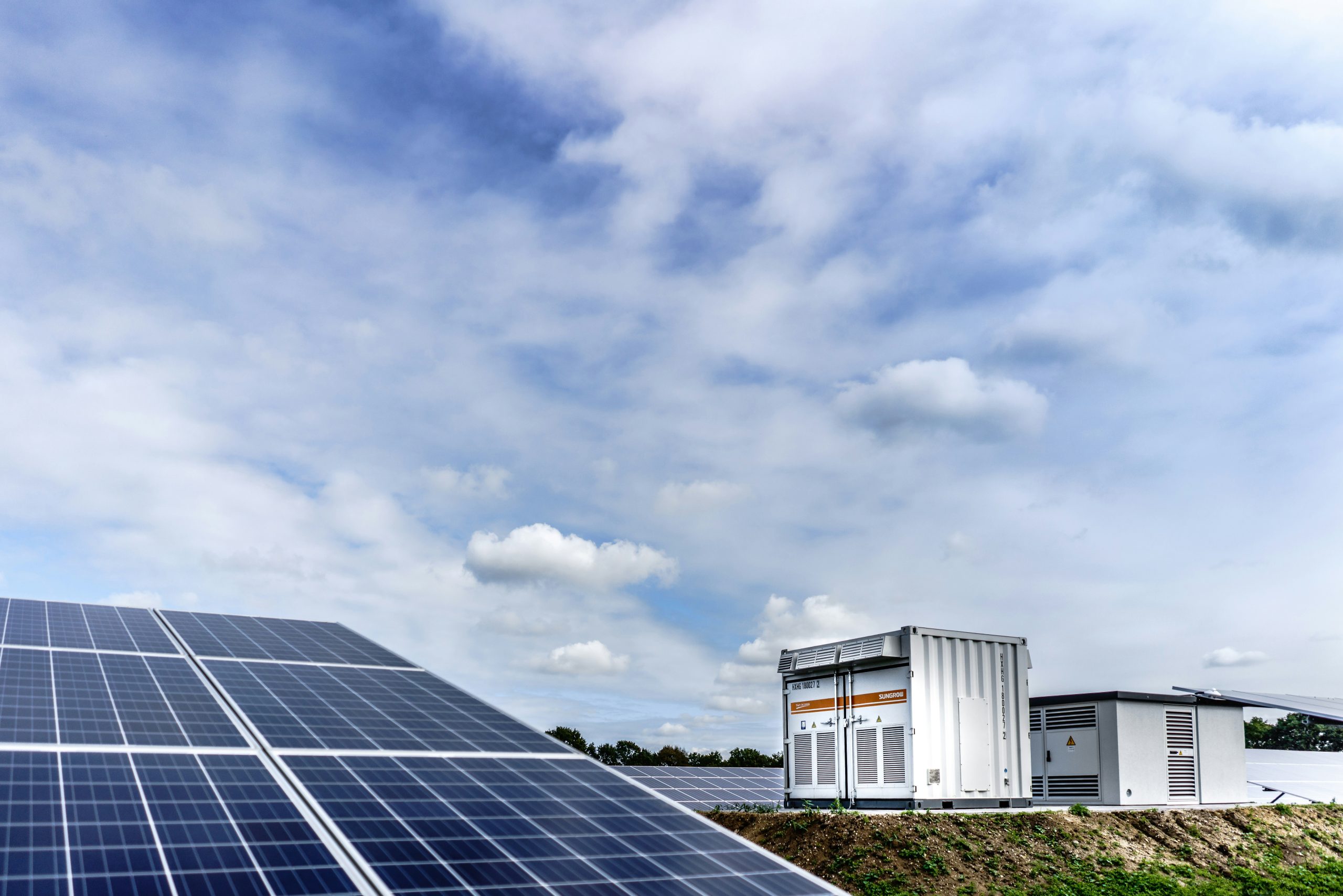
Battery storage has emerged as a key enabler of the renewable energy system. In their guest column, experts from Renewables Finland explain how the transformation of the energy system is reflected, among other things, in the growing battery project landscape.

Wind and solar power have rapidly become significant and expanding components of Finland’s domestic energy mix. At the beginning of 2026, new records were once again broken: Finland now has more than 10 GW of wind power capacity and utility-scale solar power plants. The growing production of renewable energy is also accelerating the development of various solutions that support the electricity system. In this transition, battery storage is no longer a complementary technology or a curiosity, but a critical enabler.

The role of battery storage has shifted from the margins to the core of the electricity system. Batteries help balance the power system, enable more efficient use of renewable energy, and support system reliability. These flexibility solutions are accelerating the large-scale integration of renewable energy.

This development is clearly visible in the project landscape. In Finland, the number of battery storage projects has increased rapidly, and they are being implemented both as standalone solutions and as part of wind and solar power projects. In particular, hybrid projects that combine generation and storage are becoming increasingly common: according to project data from Renewables Finland, around 160 such projects were under development in Finland at the turn of the year. In addition to new projects, battery capacity is also planned for many existing wind and solar power sites to support generation. Battery solutions are technically sound, improve project profitability, and offer new opportunities to participate in reserve and flexibility markets.

Renewables Finland plays an important role in this transition as a collector and disseminator of information and as a builder of a shared industry perspective. The association compiles an overall view of renewable energy and battery storage project development, actively engages in advocacy work, and highlights solutions that enable renewable energy and flexibility solutions to be integrated in a sustainable manner.

Battery storage is not a separate element of the energy transition, but a core part of its infrastructure. Its importance will continue to grow as we move toward an increasingly electrified, low-emission society.

Klaara Tapper & Veera Villikari
Renewables Finland
firstname.lastname(at)suomenuusiutuvat.fi

Renewables Finland (formerly the Finnish Wind Power Association) represents onshore wind power, offshore wind power, and utility-scale solar power, as well as energy storage solutions built in connection with these projects. Founded in 1988, the association shares information and supports the development and operation of renewable energy in Finland.

EU invests in securing critical raw materials – high expectations for recycling

EU invests in securing critical raw materials – high expectations for recycling

Critical battery minerals such as lithium, cobalt, nickel, and graphite are expected to face global shortages in the coming years as the number of electric vehicles (EVs) and battery energy storage systems grows rapidly. The situation is further complicated by the fact that the production of these minerals, particularly their refining into battery materials, is heavily concentrated in China, increasing supply risks in the current geopolitical landscape. Since ramping up mining production is challenging in the short term, attention is turning to battery recycling. In the longer term, by 2040, recycling is expected to meet about 10–30% of the battery industry’s raw material demand.

High expectations for recycling and market challenges

Despite high expectations for recycling, economic and political challenges hinder progress. The prices of battery minerals have remained low due to oversupply and lower-than-expected EV sales, particularly in Europe. This has made it difficult for new recycling industry players to compete, as recycled materials must compete with exceptionally cheap virgin raw materials.

In Europe, many battery factory projects have been delayed or canceled, reducing the amount of production waste available for recycling and weakening the business prospects of recycling operators. Additionally, a significant portion of European battery factories are owned by Chinese or Korean companies, which typically have their own recycling companies or established partnerships in Asia.

Investment needs and the black mass challenge

Investments in the recycling market are necessary to ensure sufficient capacity in Europe when large numbers of EV and hybrid batteries begin to reach end-of-life. Given the high number of electric vehicles and the large size of their batteries, this segment is crucial for the recycling market. Battery energy storage systems will also generate significant recycling volumes, and even the batteries used in smaller electric mobility devices require dedicated recycling solutions.

However, these investments depend on whether new players can secure contracts for recyclable materials (“feedstock”) and find buyers for their recycled materials. Estimates suggest that 44% of the announced battery recycling capacity in Europe is currently on hold or facing uncertainty regarding implementation.

Europe faces challenges regarding “black mass,” the intermediate product of battery recycling. Exporting black mass outside the OECD is not permitted, even though there is an oversupply in Europe and insufficient processing capacity. At the same time, China has low utilization rates at its battery recycling plants, meaning there is demand for European black mass. However, the EU aims to keep black mass in Europe to support its self-sufficiency in critical materials.

Impact of new regulations and benefits of recycling

The EU has been proactive in regulating battery and raw material recycling. The Battery Regulation (2023) and the Critical Raw Materials Act (CRMA, 2024) set strict requirements for recycling and material recovery. According to the Battery Regulation, at least 65% of lithium-ion batteries must be recycled by 2026, increasing to 70% from 2031. Additionally, new batteries must include a minimum amount of recycled raw materials, such as 6% recycled lithium by 2031 and 12% by 2036.

Currently, about 80% of recycling materials for the battery industry come from production scrap at battery factories. This trend will continue, as recycling volumes from EVs and plug-in hybrids are expected to rise significantly only around 2035. Recycling could reduce energy consumption by up to 75% and water consumption by 80% compared to traditional mining and refining. However, challenges remain in terms of expertise, technology, and financing.

Balancing regulation and future prospects

The EU’s ambitious regulatory efforts pose challenges for companies. Critical raw materials are regulated not only by battery and raw material laws but also by other legislation, such as regulations on waste electrical and electronic equipment (WEEE) and end-of-life vehicles (ELV). The workload caused by these regulations has been acknowledged in the new European Commission’s agenda.

When drafting Finland’s national battery strategy in the fall of 2020, companies advocated for strict requirements for the European battery industry, seeing them as a way to improve competitiveness. Time will tell whether these expectations were met.

A major challenge for regulation is the rapid evolution of battery technology. When the Battery Regulation was being drafted, the market share of lithium iron phosphate (LFP) batteries in Europe appeared to be growing slowly. However, the rise of large-scale battery energy storage systems and the wider adoption of LFP batteries in the EV industry have changed the situation rapidly. Maintaining technological neutrality should remain a key goal.

Final thoughts from the guest columnist

European battery recycling needs clear and long-term regulations that do not impose an unreasonable burden on businesses. Policymakers and regulators must act wisely and cautiously to ensure that regulations remain practical and that targets are not raised like bids in an auction. For regulations to be credible, their goals must be realistic and achievable. The relative competitiveness of recycled materials must be promoted through both incentives and regulatory measures, as the existing system is unlikely to relinquish its established position easily.

Jarkko Vesa is an expert in critical minerals and battery markets with extensive experience in strategic consulting and market analysis. He coordinated Finland’s battery strategy and has conducted background research on critical mineral supply for organizations such as the IEA through his company, Not Innovated Here.

Jarkko’s popular LinkedIn groups, Critical Materials and Battery Strategy 2030, have attracted thousands of active followers. Follow them and join the discussion!

Europe needs a comprehensive battery recycling ecosystem

Europe needs a comprehensive battery recycling ecosystem

The demand for batteries and their critical raw materials is rapidly increasing, while the number of batteries reaching the end of their lifecycle is also rising quickly. This means a dramatic growth in hazardous waste. Currently, Europe is highly dependent on imported battery materials, and the handling of battery waste lacks transparency by any measure. Europe needs to increase its domestic production of battery materials and establish a sustainable solution for managing battery waste.

Electrification of transport is impossible without recycling

The EU Battery Regulation (Batt2), which came into force in February 2024, sets the framework for a functional circular economy for batteries. According to the regulation, by 2028, 50% of the copper, nickel, and lithium, as well as 90% of the cobalt used in batteries in the EU, must come from recycled materials.

To achieve these goals, a well-functioning European value chain for recycled materials is needed. European car manufacturers must invest in responsibility and the strengthening of European value chains, despite price pressure from Chinese competitors. The demand for recycled materials must increase significantly; otherwise, the export of valuable raw materials to China may accelerate further, weakening the EU’s self-sufficiency in raw materials.

The current divide between different battery technologies complicates recycling. Europe already has recycling systems for nickel-based batteries, but there is no equivalent infrastructure for lithium iron phosphate (LFP) batteries, commonly used in lower-cost electric vehicles. Recycling LFP batteries is economically less attractive because, apart from lithium, they contain very few valuable materials.

The Battery Regulation is an important step, but not a cure-all

The EU Battery Regulation, with its recycling quotas, accelerates the circular economy but does not solve all challenges alone. The traceability of raw materials will be improved through reporting obligations for manufacturers and the introduction of a digital battery passport from 2027. However, strengthening European battery manufacturing and recycling requires investment in research and development. In addition, permitting processes must be accelerated.

Sustainable electrification of transport is a complex challenge that can only be solved through cooperation. Achieving the objectives of the Battery Regulation critically depends on how well all stakeholders—from raw material extraction to recycling—are integrated into a shared process. Europe must act now to harness the opportunities of the circular economy and establish itself as a global leader in battery recycling.

Recycling is not recycling without a high-quality end product

For us, the recycling loop is only complete when we provide our customers with a high-quality end product. Collection alone is not recycling, and recycling cannot mean simply increasing the amount of waste.

Fortum Battery Recycling is the only operator offering a fully European solution for the entire battery lifecycle, from collection and pre-processing to refining. We currently operate Europe’s largest closed-loop hydrometallurgical battery recycling facility in Harjavalta.

Our efficient, sustainable, and safe process is based on decades of experience in Nordic clean energy production and circular economy solutions.

Our battery recycling solution produces high-quality recycled metals with minimal waste. We already exceed the Battery Regulation’s recycling rate requirements for cobalt, copper, and nickel.

Fortum Battery Recycling

Fortum Battery Recycling is part of Fortum’s business portfolio and specializes in recycling valuable metals from electric vehicle batteries. We provide a fully European solution for the entire battery lifecycle, from collection and pre-processing to refining.

Contact information

Jaakko Savolainen,
Commercial Director, Battery Sales, Fortum Battery Recycling

jaakko.savolainen [at] fortum.com
tel. +358 40 501 4836

Pictures and text: Fortum