Dark colours use less energy on the screen than light colours. The theme colour does not affect the colours of videos or other media content. Keeping dark mode enabled helps save energy and may also be more comfortable on the eyes.

Display website images in lighter versions. Smaller image files make the website lighter to load.

Turn off animations and motion effects on the website. This gives you a simpler and calmer browsing experience.

Online retailers selling batteries to customers in Finland must take care of their producer responsibility by the end of 2021
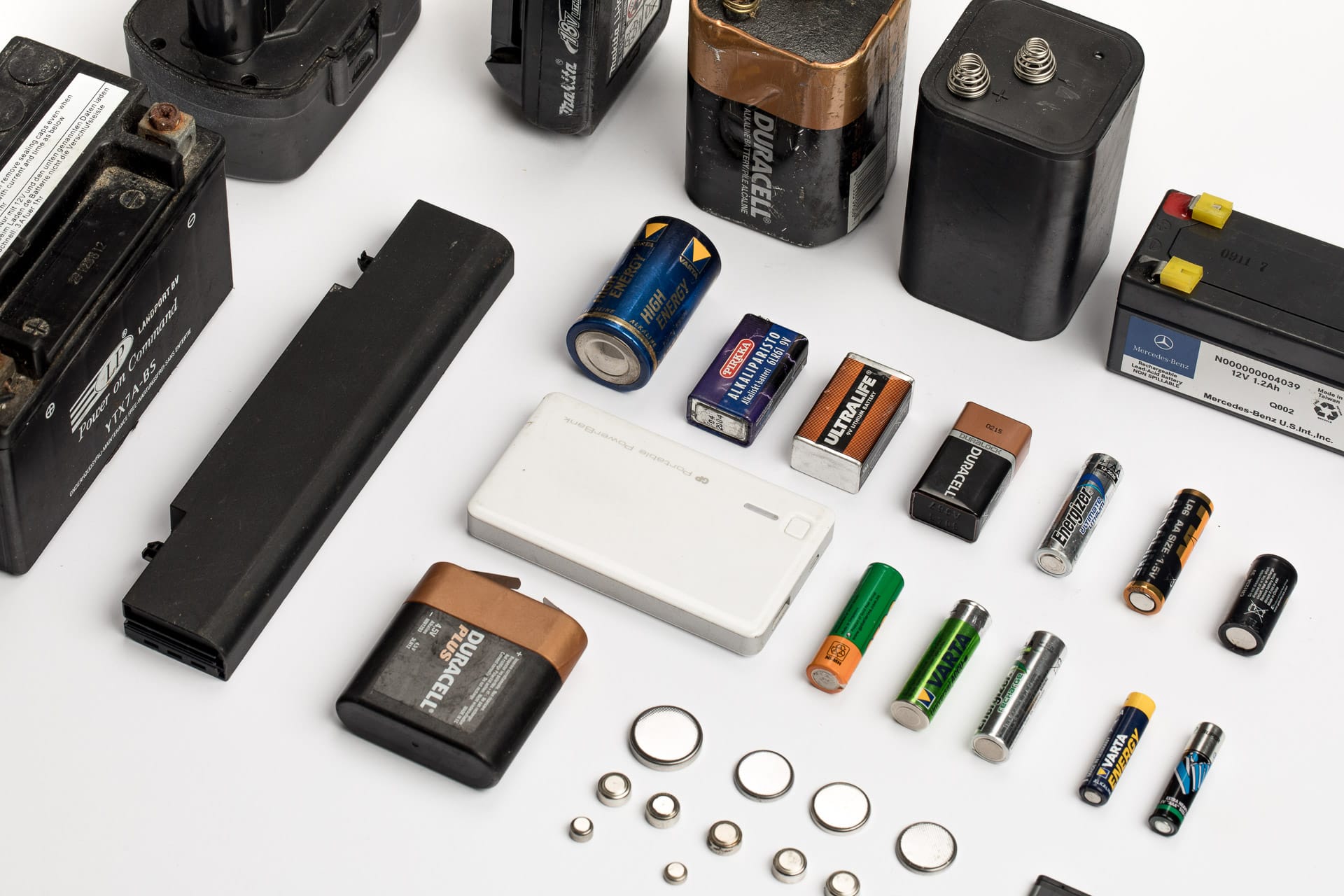
Online retailers selling batteries to customers in Finland must take care of their producer responsibility by the end of 2021

The long-prepared extensive reform of the Waste Act was approved and entered into force in Finland on 19 July 2021. The reform entails that in the future, the obligations of producer responsibility will also pertain to so-called distance sellers, i.e. operators such as foreign online retailers that sell their products to customers in Finland. At the same time, the minimum requirements concerning producer responsibility included in the Circular Economy Package approved by the EU in 2018 became part of national legislation.

Producer responsibility now pertains not only to Finnish businesses that release batteries onto the market professionally, but also to all foreign businesses that sell batteries directly to customers in Finland. Producer responsibility will continue to cover separate batteries as well as batteries belonging to electric and electronic devices and batteries contained in vehicles. Businesses registered in foreign countries can take care of their obligations in Finland either by directly joining a producer organisation or by appointing an authorised representative to take care of its obligations. Distance sellers must take care of producer responsibility in Finland by 31 December 2021.

Going forward, producer responsibility can be taken care of on behalf of another business. For example, internationally operating major businesses can choose to take care of producer responsibility concerning batteries on behalf of all Finnish businesses that import their products. The administrator of a foreign online sales platform can also take care of producer responsibility on behalf of Finnish online retailers operating on the platform, provided that it has been authorised in writing by the online retailer.

Instructions for distance sellers:

a) Foreign distance seller, such as an online retailer:

If you distance sell batteries* covered by Recser Oy’s producer responsibility directly to customers in Finland, e.g. through a foreign online retailer, you can transfer your producer responsibility obligations to Recser Oy by registering as a producer here. We will send an agreement filled out based on the information given upon registration for the producer’s contact person to approve and sign once the agreement and its terms have been updated to correspond with the definitions and requirements of the reformed Waste Act. You can request a price list by e-mail at: info@recser.fi.

Instead of registering, you can also choose to appoint a Finland-based authorised representative to make an agreement with Recser Oy regarding the fulfilment of the producer responsibility obligations. In that case, please ask your authorised representative to contact Recser: info@recser.fi.

b) Finnish distance seller, such as an online retailer:

If you distance sell batteries directly to customers in another country, you must take care of your producer responsibility obligations in that country, e.g. by joining a local producer organisation. European producer organisations for batteries are listed on websites such as: https://www.eucobat.eu/about-us/members.

Instructions for taking care of producer responsibility on behalf of another business:

a) Operator comparable to a producer, such as a major international brand name

If you are a foreign operator comparable to a producer that delivers products to the Finnish market by means other than distance selling, you can assume the producer responsibility obligations of a Finland-based producer by making an agreement with Recser Oy. You can start the agreement process by filling out the registration form where applicable here.

In the ‘Additional information’ field of the form, enter the name(s) of the Finland-based producer(s) whose obligations you want to assume responsibility for (name and business ID of the producer). We will send an agreement filled out based on the information given upon registration for the operator’s contact person to approve and sign once the agreement and its terms have been updated to correspond with the definitions and requirements of the reformed Waste Act.

You can request a price list by e-mail at: info@recser.fi. An operator choosing to take care of producer responsibility on behalf of another party must notify the producers and the producer organisation that would otherwise be responsible for the producer responsibility obligations of the fulfilment of the obligations, any changes therein or any cancellations thereof.

You can also choose to authorise a Finland-based representative to make the aforementioned agreement with Recser Oy. In that case, please ask your authorised representative to contact Recser: info@recser.fi.

b) Online sales platform administrator:

The administrator of an online sales platform can assume responsibility for the obligations of distance sellers operating on the platform on their authorisation as described in section a). In order to do so, the administrator of the online sales platform must be authorised in writing by the distance seller operating on the platform.

Read more:

Ministry of the Environment Press Release 15 July 2021 (in Finnish)

Up-to-date Waste Act 646/2011

Producer responsibility pages of the Centre for Economic Development, Transport and the Environment (in Finnish)

Previous articles regarding the Waste Act reform: https://www.paristokierratys.fi/en/blog/2021/04/12/national-waste-legislation-imposes-new-obligations-on-international-e-commerce/ and https://www.paristokierratys.fi/blog/2020/06/25/jatelakiuudistus-etakauppa-mukaan-jakamaan-tuottajavastuun-kustannuksia-vuonna-2021/ (in Finnish).

* Producer responsibility for all batteries whose size allows for easy manual carrying and/or batteries sold to consumers can be taken care of through Recser Oy. Read more about the classifications here: https://www.paristokierratys.fi/en/for-producers/producer-responsibility-in-legislation/.
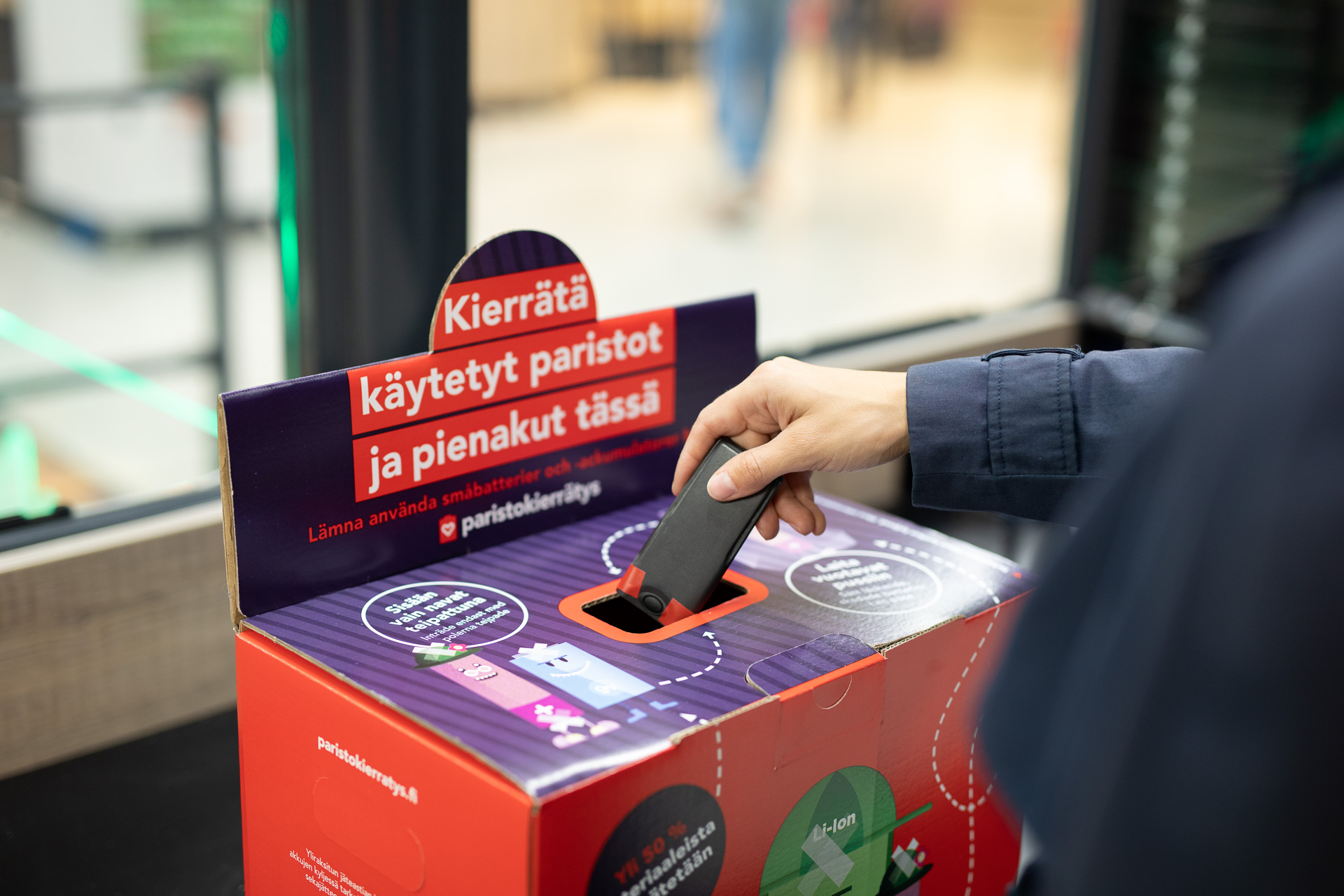
National waste legislation imposes new obligations on international e-commerce – new statutes will enter into force in July 2021

National waste legislation imposes new obligations on international e-commerce – new statutes will enter into force in July 2021

The most significant changes for battery and accumulator producers are the inclusion of international online retail in the producer responsibility scheme and the overarching obligation to join a producer responsibility organisation.

The proposal for a legislative reform that was circulated for comment in spring 2020 has finally reached parliamentary proceedings. As the reformed Waste Act is intended to enter into force on 1 July 2021, the parliamentary proceedings are expected to process the proposal in short time. When the Finnish Parliament has passed the act, the act is submitted to the president for approval. The Government is currently preparing complementary decrees, which will be circulated for comment during the spring.

Sales platforms to manage producer responsibility

In terms of producer responsibility, no significant revisions were made to the proposal based on the consultation. Many of the statements supported the inclusion of distance selling, e.g. foreign online retailers, in the producer responsibility scheme. The Finnish Council of Regulatory Impact Analysis also considered it important that the producers’ position remains fair as online retail becomes stronger.

The Government deemed that it would be appropriate to discuss the role of international sales platforms at the EU level. Nevertheless, the national rules allow international sales platforms to manage the producer responsibility obligations of the retailers operating on their platform through a PRO or an authorised representative.

PROs promoting one-stop services

The new act obliges producer responsibility organisations, i.e. PROs, to provide more information and consulting services to the public. The act also sets the organisations new reporting and disclosure obligations, in-house control obligations and an obligation to consider the life cycle environmental impacts of batteries in their decisions on recycling fees. In addition, PROs of various sectors must promote producers’ access to one-stop services (‘one-stop shop principle’). PROs have been promoting the one-stop shop principle through mutual agreements for quite some time. Therefore based on the comments, the proposal was modified in a more lenient direction. Due to the new requirements, PROs shall apply for the approval of their operations by 30 June 2022.

If you are a battery and accumulator producer (e.g. importer of goods containing batteries), take the following changes into account:

1. Duties of care and prohibitions concerning products become stricter (section 9)
In order to reduce the amount and harmfulness of waste and promote reuse, the party releasing batteries onto the market shall ensure, insofar as possible, that the product is resource-efficient, durable in terms of its life span and working life and updatable, and that any product containing critical raw materials is re-usable and recyclable as waste. In addition to this, the producer must ensure that spare parts, user instructions, technical specifications and other equipment, devices and software that enable the quality repair and safe re-use of the product are made available.

2. Mandatory PRO membership (section 62)
All producers must either join or establish a PRO in order to fulfil their obligations. This also applies to the majority of industrial accumulator producers (batteries produced for industrial or professional use), who have, until now, been allowed to register directly with a producer register administrated by the responsible authority and take care of their obligations independently. The proposal obliges producers to either join a PRO or cooperate with other producers and establish a PRO by the end of 2021.

3. Inclusion of distance selling in all producer responsibility sectors (sections 46, 48, 62 and 66 a)

a) Finnish distance seller:
Producer responsibility also applies to products sold directly to consumers at a distance, e.g. via an online store. An operator established in Finland who distance sells products that fall under the product responsibility scheme to users in other countries shall be responsible for the implementation of its producer responsibility obligations in the country in question e.g. by joining a PRO or through an authorised representative.

b) Foreign distance seller
Producer responsibility also applies to products sold directly to consumers at a distance. In order to fulfil its obligations, a producer shall join a PRO approved in Finland or cooperate with other producers to establish their own PRO.

4. Other operators implementing producer responsibility on producers’ behalf (section 66)

a) Operator comparable to a producer
An operator that is comparable to a producer operating in another country, who supplies the Finnish market with goods through other means than distance selling, may appoint an authorised representative based in Finland to take care of its obligations instead of a producer based in Finland or, for the same purpose, conclude a contract with an approved PRO. Such operators include significant international brands who supply producers (resellers) based in Finland with their products.

b) Sales platform administrator
The same right is granted to a sales platform administrator who has been authorised to take care of the producer responsibility obligations of the distance sellers operating on the platform.

We will keep our website up to date with new information for foreign distance sellers and operators comparable to producers during the spring. If you want to receive our newsletter and learn the latest information without delay, please send us your name, the name of the company you represent and your email address: info@recser.fi.

Read more:

Government Bill HE 40/2021 vp (in Finnish)

Ministry of the Environment Press Release 25 March 2021 (in Finnish)

Recser Oy’s news article on the Waste Act reform 26 June 2020

Recser Oy’s CEO Liisa-Marie Stenbäck on Kesko’s Viewpoints blog: 3 important reasons to recycle batteries

Recser Oy’s CEO Liisa-Marie Stenbäck on Kesko’s Viewpoints blog: 3 important reasons to recycle batteries

“Over the past two decades, batteries have become an integral part of our daily lives: most of our devices run on them. At the same time, technological development has enabled the use of smaller but more powerful accumulators in smart devices and vehicles, for example.” our CEO Liisa-Marie Stenbäck talks about the development of battery technology.

The number of batteries is expected to increase further, which is directly reflected in the growing need for raw materials. Existing mines are not able to meet this need. The first reason to recycle batteries is the environment and sustainable materials.

Stenbäck writes in the blog post about the importance of recycling batteries for the environment, safety and ease of recycling.

Read the full blog post here.

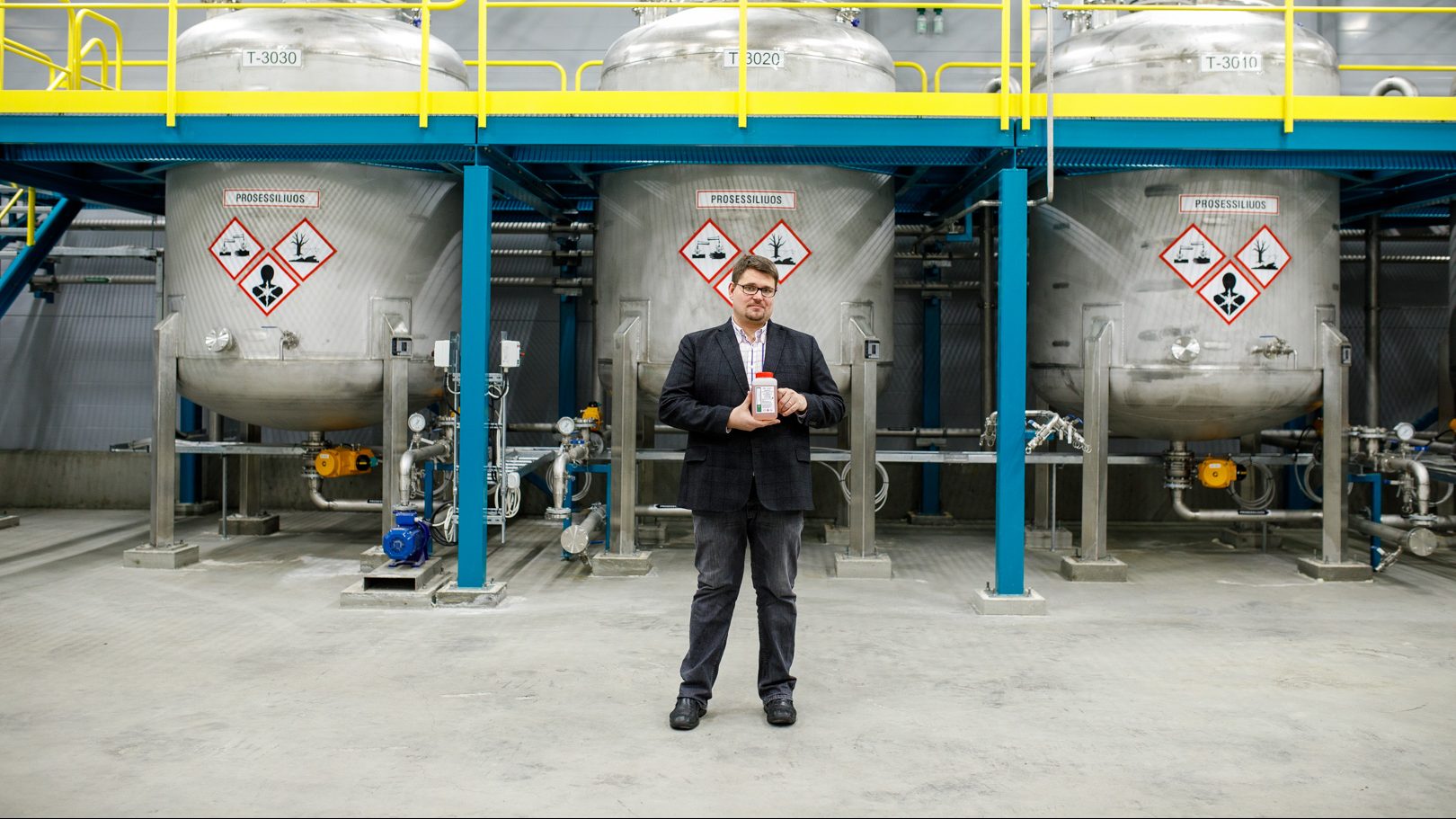
Entrepreneurs with a background in farming developed a fertiliser suitable for organic farming from used alkaline batteries

Entrepreneurs with a background in farming developed a fertiliser suitable for organic farming from used alkaline batteries

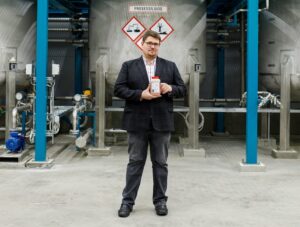
Used batteries are collected with red boxes found in stores all around Finland. A significant portion, about 80 percent, of all the batteries that end up in those boxes are alkaline batteries. For Tracegrow, the idea for our company’s process grew out of this specific need: what can we do with a huge amount of alkaline batteries?

The traditional method has been to crush the batteries, recover the steel and then send the remaining battery mass to a smelter. However, this is expensive, takes a lot of energy and not all of the fractions can be recycled efficiently.

Tracegrow developed an alternative approach. Plants need zinc and manganese to grow, and these are found in abundance in alkaline batteries. As the company’s main owners have an agricultural background and a wealth of interest in the subject, the company focused its research on the process of dissolving and purifying these metals from the battery waste. In addition, the collaboration with the University of Oulu and the team of Professor Ulla Lassi led to the discovery that the trace elements contained in the batteries were in a form that allowed them to be processed into raw materials needed for fertilizers.

Extracting nutrients by dissolving

Prior to entering Tracegrow’s production, our partners crush the used batteries, separate the iron from them for recycling and deliver the remaining contents of the battery, the so-called black mass, to our factory at Kärsämäki. From this powdery mass we first separate the zinc and manganese into a solution. This solution is then purified by separating harmful metals such as nickel and cadmium from the solution with our patented technology. The finished solution is a liquid micro-nutrient fertiliser that is also suitable for organic farming.

Our company has already sold our products to 14 countries such as Canada and Australia. The ZM-Grow fertiliser we have developed from used batteries has been found to be very effective in international tests for the most important crops, giving up to tens of percents in yield increases per hectare, providing additional income and crop security for farmers.

The product has also won many awards for Tracegrow, such as the Ministry of the Environment’s Circwaste Award for significant work for the promotion of circular economy, the Agricultural Machinery Trade Fair’s gold medal for New Products for its easy-to-use and functional circular economy product, and the Finnish Chemical Society’s circular economy innovation award.

Organic fertiliser from batteries, how on earth?

As ZM-Grow meets the purity requirements of the EU fertiliser legislation, it was expected that the product would be approved as an organic fertiliser. What counts in organic fertilisers is the quality and purity of the final product, not necessarily its raw material. Because of this, the approval of an ecological, purified ZM-Grow solution made from recycled materials as an organic fertiliser was achieved.

The technology we have developed is an excellent example of domestic circular economy expertise. Tracegrow has continued our research and product development to develop new products from other types of waste- and by-products. Last autumn, we launched a new fertiliser, ZMC-Grow, which has been blended with recycled copper refined from, for example, used copper cables.

In addition, we will continue on our path of innovation and the development of new products is in full swing. Our motivated staff has strong expertise in chemistry and international sales, and most importantly – the enthusiasm to solve new circular economy challenges is coded in our company’s DNA.

Mikko Joensuu
CEO of Tracegrow Oy
www.tracegrow.com

Significantly higher standards set for the collection and recovery rates of batteries and their environmental impact throughout their life cycles in a new European Commission proposal

Significantly higher standards set for the collection and recovery rates of batteries and their environmental impact throughout their life cycles in a new European Commission proposal

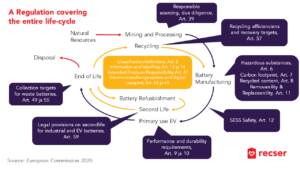
The proposal, published on 10 December, aims to bring Europe towards a climate-neutral and competitive economy of accumulator material based on the principles of circular economy. The new regulation concerning batteries has an effect on their entire life cycles, and it is directly applicable in all Member States.

From now on, all batteries entering the EU market must be sustainable, efficient and safe throughout their life cycles. In order to be considered sustainable, batteries must be repairable, re-usable and easily recyclable, produced with minimal environmental impact and proven to have been manufactured from sustainably produced materials. The regulation on batteries will repeal the 2006 directive 2006/66/EC, and it is the first concrete step forward in the EU Circular Economy Action Plan.

Batteries have an important role in the efforts to accomplish the climate goals of the European Green Deal. For example, as a result of the electrification of mobility, it is estimated that the global demand for batteries is set to increase 14-fold by 2030 in comparison with the demand in 2018. Because of this, the sustainability of batteries has become a critical theme in the proposed regulation. The regulation will show the way for future policies regarding products in the EU and, hopefully, the whole world.

Mandatory carbon footprint declaration for certain types of accumulators

The proposal sets mandatory requirements for all batteries sold in the EU. There are certain requirements regarding due diligence in the use of sustainably acquired materials, minimum levels of recycled content, carbon footprint, safety, performance, durability and provision of information.

Declaring the carbon footprint of industrial batteries and electric vehicle batteries will become mandatory already on 1 July 2024. Other requirements concerning the provision of information enter into force at the beginning of 2027. The information must be made available through scanning a QR code.

In addition, the Commission also proposes that the current restrictions concerning mercury and cadmium in the use of hazardous substances in all types of batteries be retained. The sales of non-rechargeable batteries (portable primary batteries) will not be limited by the regulation, at least until 2030, but they must fulfil all of the quality criteria set for portable batteries released to the market from 2026 onwards. The Commission will specify the accurate minimum levels for the quality criteria presented in Annex III concerning e.g. performance and durability by the end of 2025. In addition, the lifetime of batteries is aimed to be improved through a requirement similar to one included in the current regulation that they must be easily replaceable by the end user or by independent operators.

Minimum collection target to increase to 65% in 2025

The collection rate targets for used batteries set for the Member States will be increased incrementally. For example, the collection rate target for portable batteries will increase from the current level of 45% to 65% in 2025 and 70% in 2030. The batteries of light means of transport (cf. the last paragraph) are not included in the calculation of the collection rate of portable batteries. The Commission will study the need for setting a separate collection rate target for these batteries by 2030. The aim is to collect all of the larger industrial and electric vehicle batteries. An additional requirement is to produce a battery passport for these batteries, which is a digital record of the battery’s specification sheet and operation history throughout its life cycle.

The information of individual battery passports will be uploaded to a new “battery database,” which can be accessed to retrieve the battery’s information throughout its life cycle. A clear infrastructure for re-using industrial and electric vehicle batteries will be established. For example, electric vehicle batteries can be re-used for energy storage purposes.

Minimum recovery rate of cobalt, nickel and copper of 90% by 2026

The rapidly increasing number of batteries and the higher collection standards will also lead to the rapid increase in waste volumes. The number of lithium batteries ready for recycling is expected to increase 700-fold between 2020 and 2040, which will make it easier to use recycled materials in the production of batteries.

The regulation sets material-specific recovery rate targets for valuable materials. The recovery rate targets for 2026 are 90% for cobalt, nickel and copper and 35% for lithium.

In 2030, the material-specific recovery rate targets for cobalt, nickel and copper will increase to 95%, whereas the new target for lithium will be 70%. The Commission will later provide detailed rules for calculating the higher recovery rate targets.

The market for recycled materials is boosted by setting a requirement that industrial batteries, electric vehicle batteries and automotive batteries must contain a minimum share of materials recovered from waste from 2030 onwards. According to the regulation, this requirement will apply to cobalt, lead, lithium and nickel.

Changes in the specifications of batteries

The Commission proposes expected changes to the obsolete classifications and definitions of batteries. The proposed maximum size of portable batteries is 5 kg. In addition, the batteries of electric means of transport previously classified as industrial batteries will be given a new definition in the regulation.

According to Article 2(9) of the regulation, the battery of a light means of transport is a battery used in wheeled vehicles that have an electric motor of less than 750 watts, on which travellers are seated when the vehicle is moving and that can be powered by the electric motor alone or by a combination of motor and human power. According to Article 2(12) of the regulation, an electric vehicle battery means any battery specifically designed to provide traction to hybrid and electric vehicles for road transport.

According to Article 2(11) of the regulation, an industrial battery means any battery designed for industrial use and any other battery excluding portable batteries, electric vehicle batteries and automotive batteries.

Higher standards for distributors and consumers

For the manufacturers of batteries, the new regulation will mean significantly stricter requirements concerning the products as well as the collection and recycling of decommissioned batteries.

The distributors of batteries will have an obligation to verify that the manufacturer or importer of the products to be sold has registered as a producer and that the batteries are accompanied by the required documents. In addition, the distributor’s obligation to take back batteries applies to all decommissioned batteries currently or previously sold by the distributor.

End users are now required to deliver discarded batteries for separate collection.

Previous directive to be repealed altogether

The previous, obsolete directive specified the minimum level for minimising the environmental impacts of batteries by focusing on the later stages of their life cycles. The EU has no existing legislation that extensively regulates the production and use of batteries in terms of e.g. performance, durability, greenhouse gas emissions or sustainable material procurement. Because of this, the previous directive will be repealed altogether with the directly applicable regulation. The regulation will be used instead of the directive to avoid the fragmentation of the internal market, guarantee legal certainty and boost investments in the battery markets throughout the EU.

The Commission aims to enact the regulation in a rapid schedule. In the next phase, the regulation draft is commented on by the governments of the Member States and the European Parliament.

Read more:

European Commission press release 10 December 2020

Ministry of the Environment Press Release 10 December 2020 (in Finnish)

Proposal for the regulation

Waste Act reform: Distance selling to chip in to producer responsibility costs in 2021

Waste Act reform: Distance selling to chip in to producer responsibility costs in 2021

Finland is in the process of integrating the EU waste regulation package into national legislation. One of the long-awaited targets is to have producer responsibility also cover distance selling. The waste act that was circulated for comment at the beginning of summer will be processed by Parliament in the autumn and enacted in early 2021.

Distance selling, which has grown significantly in recent years, has been left outside producer responsibility with the exception of producers of electronic and electrical equipment. In practice, this has meant that international online retailers, for example, have had an unfounded competitive advantage at the expense of domestic operators, because they have not had to participate in the costs of national collection and recycling systems. The Waste Act reform is, indeed, a welcome change, because distance selling free-riders are a significant threat to the functionality and credibility of the producer responsibility system.

The bill, which was circulated for comment until 5 June, proposes that the scope of producer responsibility would also cover those operators that sell products to Finland through international distance selling. This would mean that operators not located in Finland could appoint a producer organisation or some other operator to take responsibility for their obligations in Finland or join an approved producer organisation directly. This way, they would also take responsibility for the recycling of the devices they have brought into the market.

Recser Oy is in favour of the proposal

Recser Oy was asked for comment on the Waste Act reform bill. In our statement, we expressed strong support for applying producer responsibility to distance selling operators. We also expressed our concern for international online platforms being left outside the scope of regulation. According to reports, we know that Finns buy an increasing number of batteries, or devices containing them, from distance sellers operating on international sales platforms.

The monitoring of distance selling will, no doubt, be very difficult, which is why it is important to set a secondary producer responsibility for international online platforms. The secondary responsibility we are proposing would mean that the sales platform would have to ensure that the producer responsibility of the products sold through the platform is fulfilled in Finland, if the companies operating on the platforms will not do it themselves. The regulations concerning producer responsibility in the waste act reform received a total of 127 opinions both for and against them.

Responsibility to also cover recyclability and communications

The Circular Economy Package approved by the EU in 2018 contains four waste directives that amend six waste directives: Waste Framework Directive, Landfilling Directive, Packaging Waste Directive, Directives on end-of-life vehicles, on batteries and waste batteries, and on waste electrical and electronic equipment. The key goal of the package is to streamline adherence to waste hierarchy and increase the resource-efficient use and recycling of materials.

In terms of general regulations concerning producer responsibility, the objective of the Circular Economy Package is to harmonise the minimum requirements concerning producer responsibility systems between member states and have distance selling be comprehensively covered by the responsibility.

The prohibitions and obligations of caution set out in section 9 of the Waste Act will be updated to correspond to the requirements of the waste directive in connection with the reform. The party releasing the product onto the market shall ensure, insofar as possible, that the product is resource-efficient, durable in terms of its life span and working life and updatable, and that any product containing critical raw materials is re-usable and recyclable as waste.

In addition to this, the producer must ensure that spare parts, user instructions, technical specifications and other equipment, devices and software that enable the quality repair and safe re-use of the product are made available. The general minimum requirements of the producer responsibility system also add new provisions to the Waste Act in terms of responsibilities such as communications towards consumers, reporting to the authorities, in-house control and recycling fees based on the environmental impact of the products.

According to the proposal, producers must also join a producer responsibility organisation going forward to fulfil their producer responsibility, i.e. the option to register directly with the authorities will only be made possible in exceptional circumstances. One of the goals of the Waste Act reform is to reduce the burden of regulation put on the producers, but, at the same time, the burden of regulation, as well as the resulting costs, will increase for producer organisations.

You can view the Waste Act proposal and comments on it at lausuntopalvelut.fi (in finnish, request for comment document number: VN/538/2019).

Waste Act reform website (in finnish): https://www.ym.fi/jatesaadospaketti.

New collection system for large lithium accumulators

New collection system for large lithium accumulators

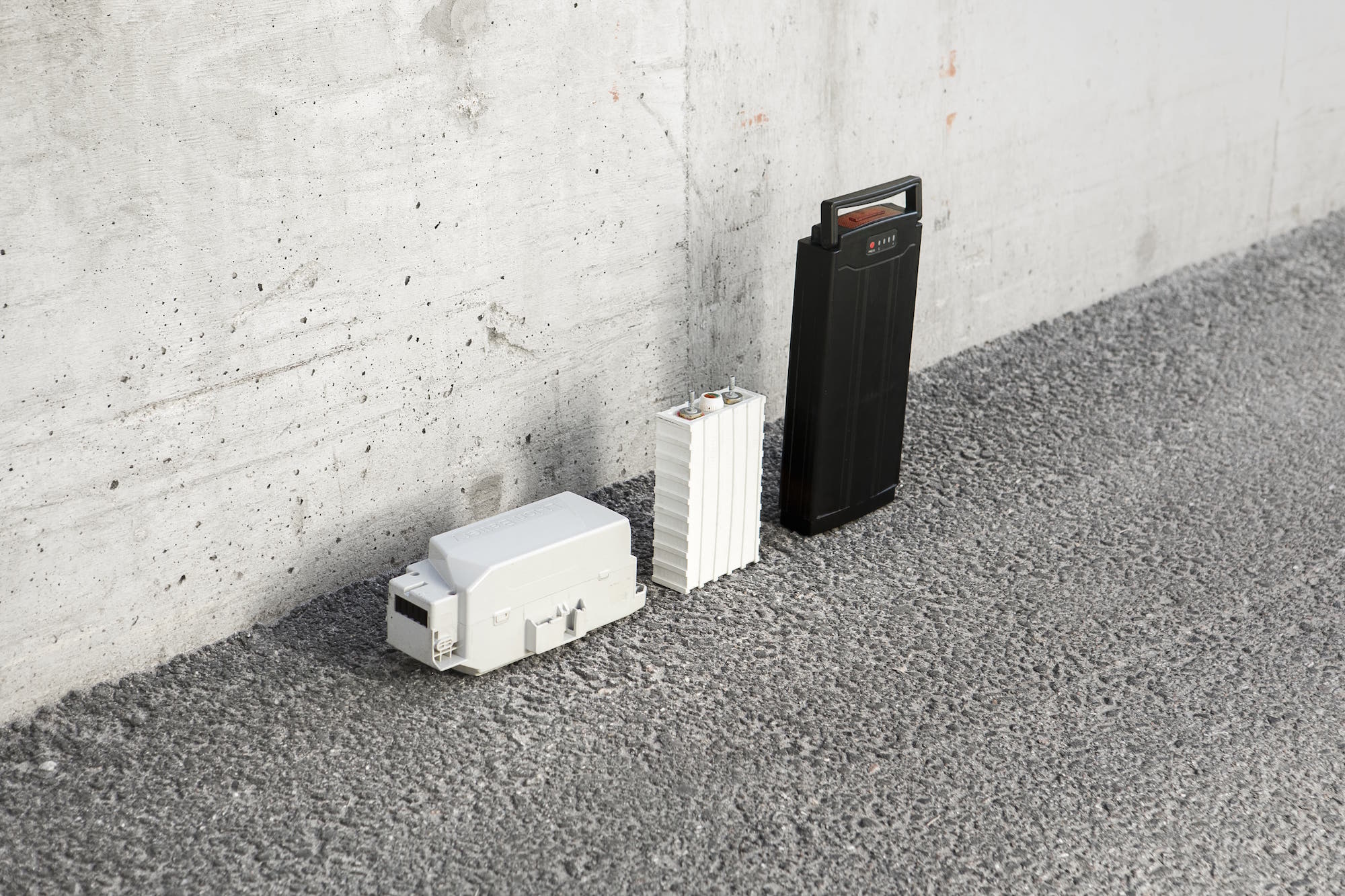
The import of large lithium accumulators has increased in recent years, and now there is also an official collection system for them.

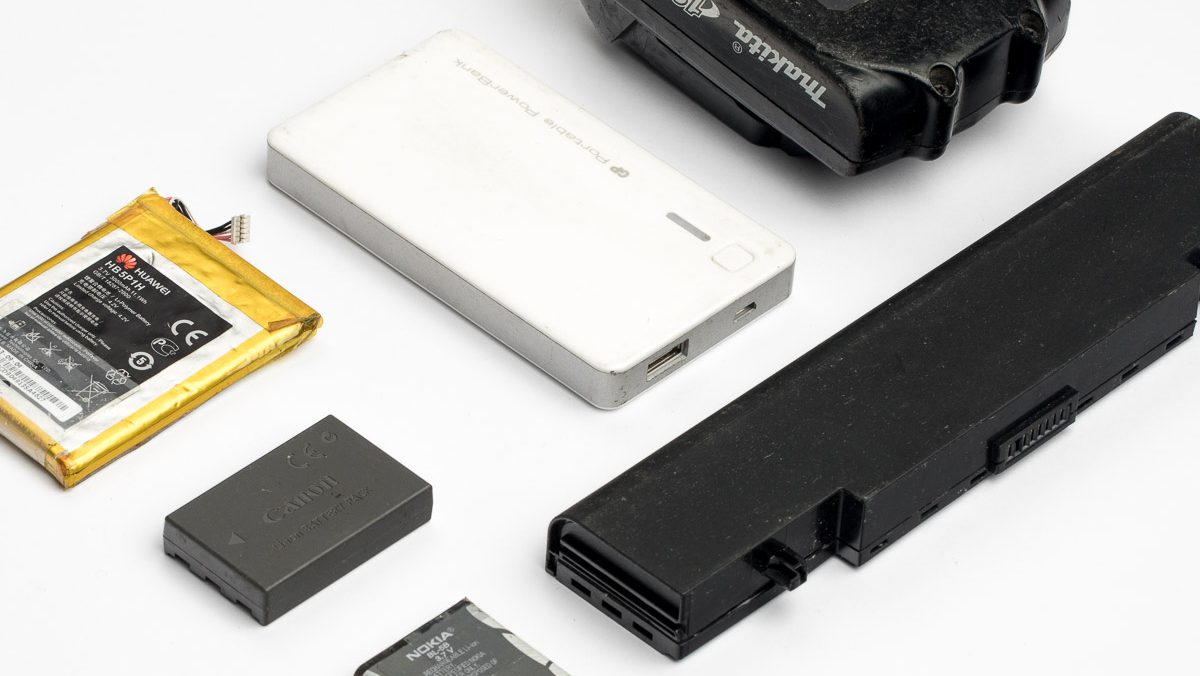
Accumulators used in devices such as electric bicycles, electric scooters, self-balancing unicycles, mopeds, ATVs and ride-on lawn mowers can now be returned to around 250 regional collection points across Finland. You can find your nearest collection point through the kierratys.info search service from April 2nd on.

As previously, you can recycle all batteries and small accumulators at stores. However, large lithium accumulators do not belong in the battery boxes of stores.

You can take care of your producer responsibility for large lithium accumulators through Recser

If you represent a business that imports or manufactures large lithium accumulators or devices containing them, such as electric bicycles or mopeds, you can take care of your legally prescribed producer responsibility through Recser Oy.

The authority supervising producer responsibility, i.e. the Centre for Economic Development, Transport and the Environment (ELY Centre) of Pirkanmaa, approved Recser Oy, the organiser of Battery Recycling, as a producer organisation for industrial accumulators and portable lithium automotive accumulators on27 March 2020. This means that you can transfer your producer responsibility for all batteries whose size allows for easy manual carrying and/or that are sold to consumers to Recser Oy, regardless of the products’ official classification.

You can transfer your producer responsibility for large industrial batteries designed exclusively for industrial or professional use to Recser Oy in part, meaning that you can register as a producer and fulfil your reporting obligations to the responsible authority through us. The producer remains responsible for organising the reception of large industrial accumulators and other waste management.

You can read more about the producer responsibility and accumulator classification and register as a producer here: paristokierratys.fi/en/for-producers/producer-responsibility-in-legislation

New instructions for collection points

The battery and accumulator handling and reception instructions for the staff of collection points have been updated with a note on collection points for large lithium accumulators. Starting from April, discarded large lithium accumulators can be directed to designated regional collection points, which can be found at kierratys.info.

Many regional collection points also accept small batches of large industrial accumulators returned to distributors. Distributors should always check whether the collection point accepts these before returning them. If large amounts of large lithium accumulators are returned to a distributor on a regular basis, we kindly ask that the distributor contact Battery Recycling to make a collection agreement: info@recser.fi or 010 249 1717.

In this context, large lithium accumulators refer to the accumulators of devices such as electric bicycles, electric scooters, mopeds, ATVs, ride-on lawn mowers and other electric means of transport, the size of which allows for easy manual carrying. The new collection system has no other effects on the collection of batteries and small accumulators at stores, as the reception obligation of distributors does not pertain to large lithium accumulators.

New Paristokierrätys.fi!

New Paristokierrätys.fi!

Welcome to our new website! From now on, you can recognise Recser Oy and Paristokierrätys (Battery recycling) by our new logos and visual style, as well as our colourful battery family. The recycling of batteries and small accumulators will be more visible than before, both to customers and at collection points under the Paristokierrätys brand. Despite the new brand, Recser Oy will continue to serve as the official producer organisation representing producers.

The purpose of the battery family, consisting of seven different battery types, is to illustrate the special characteristics of different battery and accumulator types. Alli the alkaline battery is the gentlest of the bunch, whereas Nipper, typically found in smoke alarms, is the meanest one, and Lumpy, which can be found in devices such as old power tools, is becoming extinct. Meet the whole gang here.

More information about the recycling process

Consumers want to have more and more information about what happens to batteries after they have been returned to a collection point. Such information is now available. When batteries no longer have a charge, Paristokierrätys makes sure that a positive charge remains. More than 50% of the materials contained in batteries are recycled and reutilised as industrial raw materials. Read more about the recycling process here.

If you have questions about a certain aspect regarding the recycling of batteries, we recommend checking out our comprehensive FAQ for answers. If the FAQ fails to answer your questions, please contact us.

Enjoy your time in the world of Paristokierrätys!