Under the EU Battery Regulation, batteries are divided into five categories
There are many different types of batteries. Under the EU Battery Regulation, they are divided into five categories based on their intended use and characteristics.
When a company registers as a producer, it must identify which battery categories the batteries it places on the Finnish market fall into, and fulfil its producer responsibility for these battery categories.
The EU Battery Regulation also applies to batteries incorporated into or added to products, as well as those designed to be incorporated into products.
On this page, we outline the different battery categories and provide examples of products falling within them. The examples are not exhaustive.
How is a battery category determined?
The starting point for determining a battery category is the battery’s intended use. As a general rule, a battery belongs to the battery category for which the manufacturer has designed it. The battery’s weight and other characteristics affect its classification where the definition of that battery category so requires.
If a battery placed on the market can be considered to fall into more than one Battery category, it shall be deemed to belong to the Battery category subject to the most stringent requirements.
For example, if the same battery is designed, according to the manufacturer’s specified intended use, for use in toys, UPS devices and other equipment, the strictest requirements apply to it. In such a case, the battery may be classified as a portable battery.
The size, chemical composition or place of use of the battery does not, therefore, alone determine its Battery category.
The principle of the strictest requirements is based on Article 1(3) of the EU Battery Regulation.
Portable batteries
A portable battery is sealed, weighs no more than 5 kilograms, and is not specifically designed for industrial use. Nor is it an electric vehicle battery, a light means of transport (LMT) battery or a starter, lighting and ignition battery (SLI battery).
Portable batteries are used, for example, in domestic electronics, toys, small electrical appliances and tools. However, the Battery category is not determined solely on the basis of the device in which the battery is used.
- AA and AAA batteries, as well as rechargeable batteries
- Button and coin batteries, such as watch batteries
- Batteries for mobile phones, tablets and laptops
- Batteries for cordless power tools
- Batteries for toys, remote controls and other small devices
These examples are not exhaustive. The Battery category is determined primarily on the basis of the battery’s intended use and the category-specific definitions set out in the EU Battery Regulation.
Producer responsibility for portable batteries is fulfilled by joining the Recser producer organisation.
Light means of transport (LMT) batteries
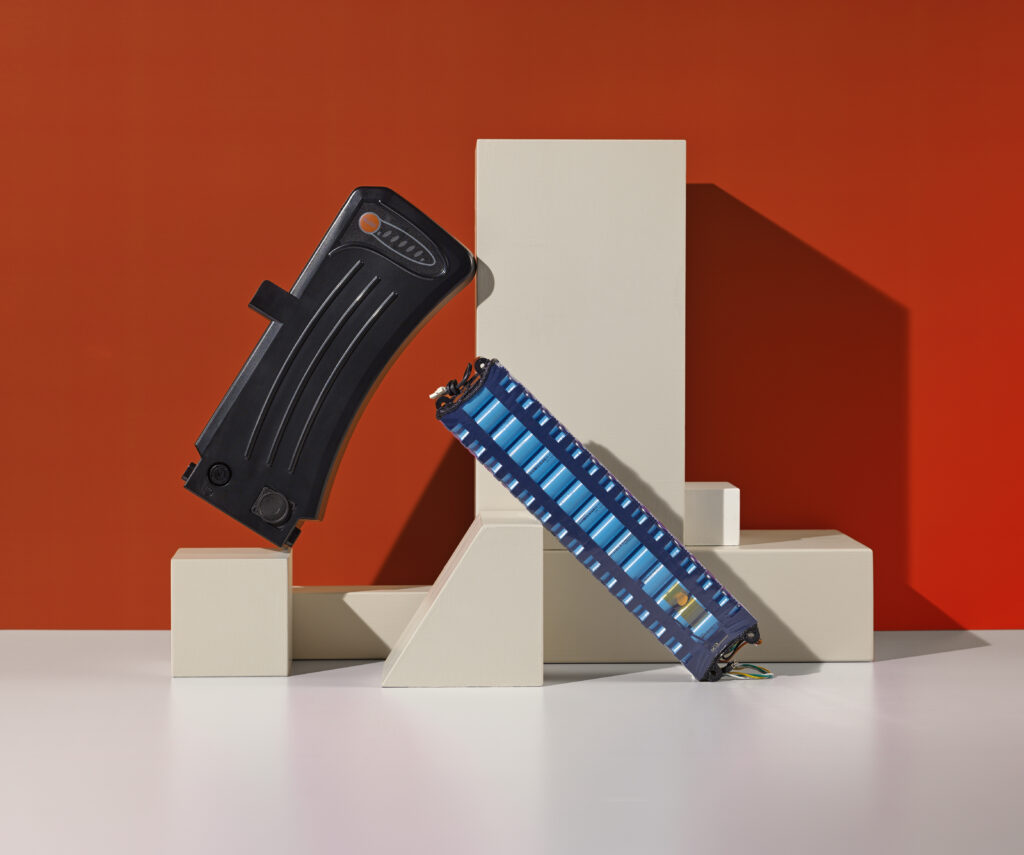
Light means of transport (LMT) batteries are sealed, weigh no more than 25 kilograms and are designed to generate electrical energy to power a wheeled vehicle. The vehicle may be powered solely by an electric motor or by a combination of an electric motor and human power. An LMT battery is not an electric vehicle battery.
- Batteries for electric bikes and e-bikes
- Batteries for electric scooters
- Batteries for electric cargo bikes
- Batteries for other light means of transport (LMT)
LMT batteries are often lithium-ion batteries.
These examples are not exhaustive. The Battery category is determined primarily on the basis of the battery’s intended use and the category-specific definitions set out in the EU Battery Regulation.
Producer responsibility for LMT batteries is fulfilled by joining the Recser producer organisation.
Start-lighting-ignition (SLI) batteries
A starter, lighting and ignition battery, or SLI battery, is designed to supply electrical energy for the starting, lighting or ignition of a vehicle, other means of transport or machinery. An SLI battery can also be used as an auxiliary or backup power source in vehicles, other modes of transport or machinery.
SLI batteries are also commonly referred to as starter batteries. The majority of SLI batteries are lead-acid batteries, but the battery category is determined by the battery’s intended use, not by its chemical composition.
- Starter batteries for passenger cars and vans
- Start-up batteries for lorries
- Starter batteries for motorbikes and mopeds
- Starter batteries for tractors and other machinery
- Starter batteries for boat engines
These examples are not exhaustive. The Battery category is determined primarily on the basis of the battery’s intended use and the category-specific definitions set out in the EU Battery Regulation.
You can register with Recser as a producer of vehicle batteries, excluding lead-acid vehicle batteries.
We are unable to manage producer responsibility for lead-acid vehicle batteries; instead, these producer obligations are managed through Akkukierrätys Pb.
Electric vehicle batteries
An electric vehicle battery is a battery designed to generate electrical energy to power an L-class hybrid or electric vehicle and weighing more than 25 kilograms, or a battery designed to generate electrical energy to power an M-, N- or O-class hybrid or electric vehicle.
Electric vehicle batteries are used, for example, in electric and hybrid passenger cars, vans, lorries and coaches. This class also includes traction batteries for Class L electric and hybrid vehicles weighing more than 25 kilograms.
Electric vehicle batteries are often lithium-ion batteries, but the battery category is determined not by chemical composition but by the battery’s intended use and the definition set out in the battery regulation.
- Propulsion batteries for fully electric cars
- Drive batteries for plug-in hybrid cars
- Batteries for electric vans and electric lorries
- Propulsion batteries for electric buses
- Drive batteries for electric motorbikes weighing over 25 kilograms
These examples are not exhaustive. The Battery category is determined primarily on the basis of the battery’s intended use and the category-specific definitions set out in the EU Battery Regulation.
Suomen Autokierrätys Oy acts as the producer organisation for traction batteries.
Industrial batteries
An industrial battery is one designed specifically for industrial use or intended for industrial use after it has been prepared for reuse or its intended use has been changed.
Any other battery weighing more than 5 kilograms that is not an electric vehicle battery, a light means of transport (LMT) battery or a starter, lighting and ignition (SLI) battery is also considered an industrial battery.
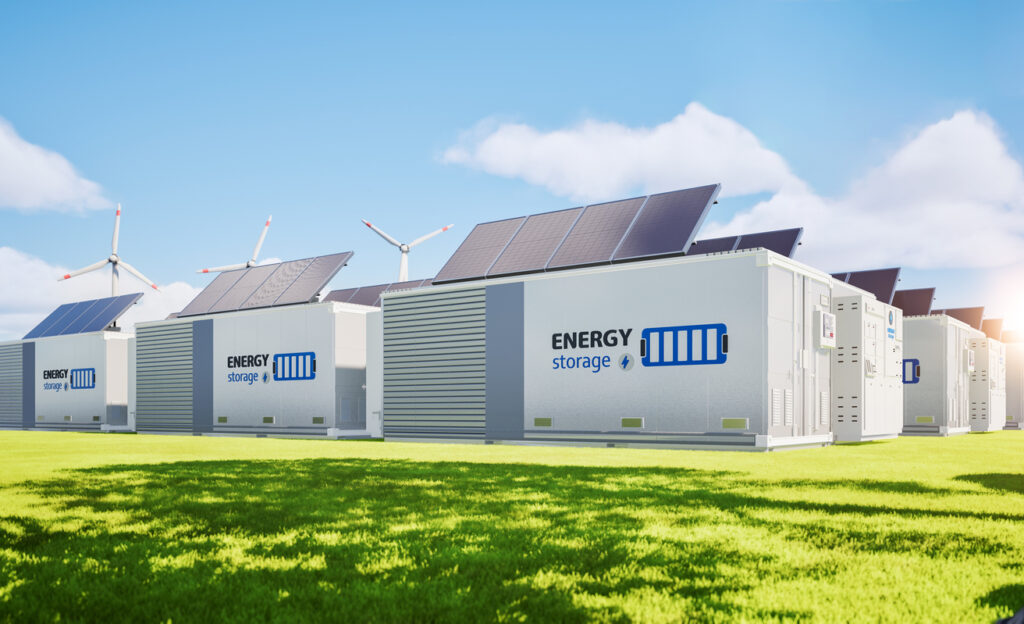
Industrial batteries include, for example, stationary energy storage systems. An energy storage system used in a domestic setting may also be classified as an industrial battery, as the Battery category is determined by the battery’s intended use and the definition in the Battery Regulation, not by its place of use.
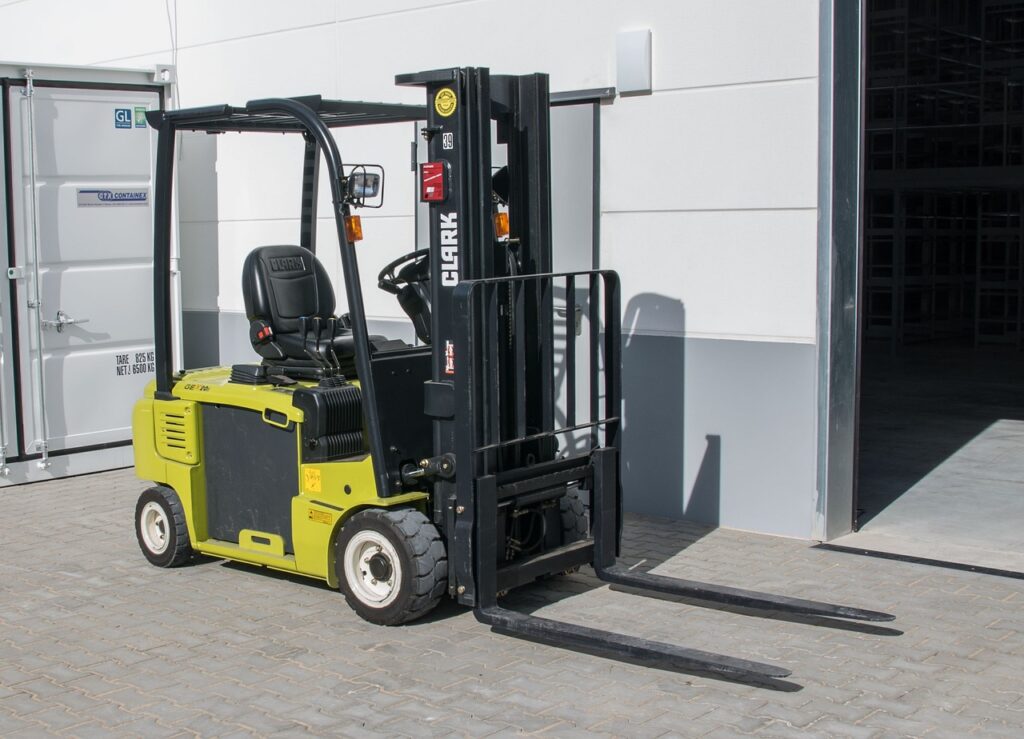
Industrial batteries are used, for example, in energy storage systems, industrial equipment, backup power and telecommunications systems, and in certain machines and vehicles.
- Batteries used for energy storage (including for private or domestic use)
- Traction batteries for rail, water and air transport vehicles
- Propulsion batteries for mobile machinery
- Buoy batteries
Batteries intended for use:
- in industrial operations
- in telecommunications networks
- agricultural operations
- electricity generation and distribution
These examples are not exhaustive. The Battery category is determined primarily on the basis of the battery’s intended use and the category-specific definitions set out in the EU Battery Regulation.
Producer responsibility for industrial batteries is fulfilled by registering as a producer with Recser Industrial.
Recser Industrial further divides industrial batteries into two categories based on size:
- small industrial batteries (0–50 kg)
- large industrial batteries (over 50 kg)